Google’s AI CTR Rebound

Google’s AI CTR Rebound and What the 85% Recovery Signals for Your 2026 SEO Strategy

AI CTR ReboundGoogle’s AI Overviews are showing their first sustained AI CTR Rebound click-through rate recovery since rollout, and the numbers tell a more nuanced story than the “SEO is dead” crowd suggests.

CTR has climbed from a December 2025 low of 1.3% back to 2.4% as of February 2026 — an 85% improvement that signals a fundamental shift in how users interact with AI-powered search results. But what does this recovery actually mean for your SEO strategy, and where do you go from here?

The AI CTR Rebound Recovery Nobody Expected

When Seer Interactive’s September 2025 study quantified AI Overviews’ damage at a 58-61% CTR reduction, many marketers wrote off organic search entirely. The December 2025 baseline of 1.3% seemed to confirm the worst. But the February 2026 data tells a different story.

According to Search Engine Land’s analysis of the recovery study, the AI CTR Rebound for AI Overview-triggered queries increased 85% from that December low. While the 2.4% figure remains below the pre-AI Overviews benchmark of 3.2% from January 2025, the trajectory matters more than the absolute number. Users are adapting. Behavior is shifting. And your strategy should too.

The AI CTR Rebound recovery appears concentrated in specific query types.

Transactional searches — “buy blue widgets,” “compare CRM software,” “book dentist appointment” — are rebounding faster than informational queries. Google seems to be surfacing AI Overviews more selectively for commercial intent, letting organic results capture more high-value clicks.

  • Question 1: How do you add FAQ Schema to your Pages?
    Answer 1: You can use an online FAQ Schema generator!
  • Question 2: Where can I find an FAQ Schema Generator?
    Answer 2:   You can use an online Schema Such as “susodigital On Line Schema generator

If you right-click on this page to view the source code you will see the FAQ Schema for the above question in the header code section

Why the Recovery Is Real (And Why It Won’t Save Everyone)

The AI CTR Rebound recovery isn’t a temporary fluctuation or measurement artifact. Three structural factors are driving it.

User habituation: Early AI Overview skepticism has settled into acceptance. Users who’ve encountered AI summaries thousands of times now navigate them more naturally, scrolling past the overview to find the answer or clicking through when the summary doesn’t fully satisfy. This behavior shift increases organic CTR without Google changing anything.

AI Overview refinement: Google’s system has improved at matching AI summaries to user intent. The over-eager AI Overview appearances that dominated mid-2025 — triggering for every query regardless of appropriateness — have been pruned. Better matching means AI Overviews appear more often when users actually find them useful, which increases the likelihood of a follow-up click.

Differentiated content: Sites that restructured content specifically for AI citation are seeing disproportionate gains. The 2.4% average masks significant variance: sites with strong answer-first structures, named expert quotes, and FAQPage schema are hitting 4-5% CTR from AI Overview placements, while sites using outdated 2023-era SEO tactics remain stuck below 1%.

The hard truth: the recovery helps sites that adapted and leaves behind those that didn’t. If your organic CTR from AI Overview queries remains below 1.5%, the problem isn’t AI Overviews — it’s your content structure.

The Industry Divide Is Accelerating  Over Google’s AI CTR Rebound

The CTR recovery isn’t uniform across verticals. Understanding where you stand determines your strategic path forward.

Healthcare and Finance continue bleeding: YMYL queries remain the hardest hit. Healthcare sites see organic traffic down 8% year-over-year, with Finance dropping 11%. Google’s AI Overviews dominate symptom, treatment, and financial advice queries in ways that make organic positioning nearly irrelevant for click generation. For these verticals, the strategic shift must be toward citations, not clicks.

News and Media face an existential challenge: The steepest decline belongs to news publishers at minus 18% year-over-year. AI Overviews are summarizing articles directly in the SERP, removing the need to click through entirely. Recovery here requires subscription programs, first-party data strategies, and content that goes deeper than any AI summary can summarize in 200 words.

SaaS and B2B software are the unexpected winners: Long-tail keyword expansion and topical authority clusters are driving 12% organic traffic growth for SaaS companies. Complex software queries — implementation guides, comparison frameworks, integration documentation — resist AI Overview replacement because users need detailed procedural information, not quick answers.

Local services finding their footing: Local Pack visibility and “near me” query growth have local businesses up 9% year-over-year. AI Overviews impact local search less than traditional organic because transaction completion still requires a site visit. The path forward for local businesses focuses on Google Business Profile optimization and review velocity, not content restructuring for AI citations.

The Five Metrics That Actually Matter Now

Traditional SEO metrics are insufficient for the AI-powered search landscape. Here’s what you need to track instead.

1. AI Overview Impression Share vs. CTR Decomposition

Not all impressions are equal. When an AI Overview appears for your query, you need to know whether you’re in the summary, the expandable sources, or nowhere at all. Track these three separate signals in Google Search Console and third-party AI monitoring tools.

Position within the AI Overview matters more than traditional ranking position. Links buried in “Learn more” expandable sections generate almost zero clicks regardless of query. Position in the primary summary — above the fold before expansion — correlates with the 2.4% average AI CTR Rebound.

2. Branded Search Lift From AI Citations

You can be cited in AI Overviews and get almost zero direct clicks while still benefiting. Measure branded search volume monthly. When your brand appears in AI summaries for non-branded queries, users who see your name will search for you specifically later.

BrightEdge data shows that sites with strong AI citation presence see branded query growth of 12-18% over six months. Track this metric separately from organic traffic to capture the full value of AI visibility.

3. Answer-First Content Performance

Pages structured with a 40-60 word direct answer block opening each major section are capturing disproportionately high CTR both inside AI Overviews and in traditional organic results. Test this structure on your top-performing informational pages.

The mechanism is simple: users and AI systems both reward content that gets to the point immediately. If your article opens with fluff, definitions, and context before answering the question, you’re losing clicks before they start.

4. Featured Snippet Capture Rate

Forty point seven percent of voice search answers come from featured snippets, and the same structure dominates AI Overview citations. If you don’t own the snippet, you’re invisible in AI-powered search for that query.

Track your featured snippet ownership rate as a leading indicator of AI citation potential. Pages with FAQPage schema and clear question-answer structures capture snippets at 2.3x the rate of traditional article formats.

5. Multi-Platform AI Visibility

ChatGPT Search now drives 87.4% of all AI referral traffic despite generating CTR that’s 96% lower than Google organic (Semrush, 2026). This isn’t a contradiction — it’s a structural reality.

ChatGPT processes approximately 2.5 billion daily prompts, with 65% qualifying as search-intent queries. Even a 4% click rate on that volume generates meaningful referral traffic. But ChatGPT citations require different optimization than Google AI Overview citations. Track your performance across both platforms separately.

The Action Plan: Six Steps for the Next 30 Days

The CTR recovery creates a window of opportunity for sites that move quickly. Here’s your implementation roadmap.

AI CTR ReboundStep 1: Audit Your AI Overview Exposure

Open Google Search Console and segment your top 50 keywords by AI Overview trigger frequency. For each keyword, manually check (incognito mode) whether an AI Overview appears and where your site appears within it. This 2-hour audit tells you exactly where you stand.

Target: Identify your highest-volume keywords where you appear in AI Overviews but CTR is below 2%.

Step 2: Restructure Your Top Pages for Answer-First Format

For your 10 highest-traffic informational pages, restructure the opening paragraph to answer the primary query directly within the first 60 words. Add FAQPage schema markup. Include a clear “jump to” navigation if the article covers multiple questions.

This isn’t about keyword stuffing. It’s about respecting the user’s time and signaling to AI systems that your content is the authoritative answer.

Step 3: Add Named Expert Attribution

Expert quotes with attribution deliver a 41% GEO visibility lift according to BrightEdge’s 2026 research. Statistics pages with named sources and years add 30%. Neither element is optional if you’re serious about AI citation.

Add at least three named expert quotes or data attributions to your top 5 pages. Include the person’s name, title, and organization — anonymous quotes don’t count.

Step 4: Implement FAQPage Schema on Every Informational Page

FAQPage schema increases answer trigger rate by 34% (Semrush, 2026). If your pages cover questions — and informational content should — add FAQ schema markup. This isn’t a ranking factor in the traditional sense; it’s an AI visibility factor that increasingly determines whether your content gets cited.

Step 5: Set Up AI Citation Tracking

Configure Semrush Brand Monitoring or equivalent tools to track your AI citation frequency across ChatGPT, Perplexity, and Google AI Mode. Set up weekly reports. Compare your citation share against your top three competitors.

This data tells you whether your efforts are working and where you need to focus next.

Step 6: Set up FAQ Schema on your Content

  • Question 1: How do you add FAQ Schema to your Pages?
    Answer 1: You can use an online FAQ Schema generator!
  • Question 2: Where can I find an FAQ Schema Generator?
    Answer 2:   You can use an online Schema Such as “susodigital On Line Schema generator

If you right-click on this page to view the source code you will see the FAQ Schema for the above question in the header code section

The Stabilization Horizon

Industry AI CTR Rebound experts predict the CTR decline will stabilize around a 65-70% reduction ceiling rather than continuing to zero. The logic: some queries will always require clicks. Some users will always prefer browsing websites over trusting an AI summary. And Google needs publishers to keep creating content it can train on.

The recovery from 1.3% to 2.4% suggests the floor is forming. What comes next is less about surviving the decline and more about positioning for the new normal where organic visibility requires both traditional ranking strength and AI citation eligibility.

The sites thriving in 2026 stopped optimizing for rankings alone and started optimizing for citations. The AI CTR Rebound recovery is their reward.


Latest Google Search News (May 20th 2026)

Google AI Overviews — The Switch That Doesn’t Exist

Source: Search Engine Roundtable / PCMag | May 20, 2026

AI CTR Rebound

Google has rolled out AI Overviews to all US users with no option to disable them. PCMag published four workarounds to return to traditional web results, noting that Google’s AI Mode is “live in the US, tests deep search, live search, personalization, custom charts, shopping and agentic features.” Publishers have called the system “theft.”

So what? Google controls the dominant information infrastructure and has decided unilaterally that publishers will provide free training data and content for Google’s AI answers, with no opt-out mechanism for users. The legal basis is being challenged (California’s Journalism Preservation Act, various copyright suits), but the technical reality is already set.

Publishers who depend on Google search referral traffic are in an impossible negotiating position — complain publicly, get algorithmic punishment; stay silent, get scraped anyway.


Join Our Mailing List To Learn More About SEO Tactics

Geoff Lord The Marketing Tutor

This Report was Compiled By:
Geoff Lord
The Marketing Tutor


Article by Geoff Lord, The Marketing Tutor, Internet Marketing Consultants, AI Content Creators, Web designers and Local SEO Specialist.
Supporting readers across the World for over 30 years.
The Marketing Tutor delivers expert analysis on Google’s AI CTR rebound and its impact on modern SEO strategies.

Sources cited in this article:

– [Search Engine Land: Google AI Overviews CTR Recovery Study](https://searchengineland.com/google-ai-overviews-ctr-recovery-study-475566)
– [Seer Interactive: AI Overview CTR Impact Study](https://www.seerinteractive.com)
– [BrightEdge: 2026 SEO Benchmark Report](https://www.brightedge.com)
– [Semrush: AI Search Traffic Statistics 2026](https://www.semrush.com)
– [First Page Sage: Organic CTR Benchmarks 2026](https://www.firstpagesage.com)
– [ClickRank: SEO Benchmarks 2026](https://www.clickrank.ai/seo-benchmarks/)
– Search Engine Roundtable / PCMag | May 20, 2026


The Article Google’s AI CTR Rebound was first published on https://marketing-tutor.com

The post Google’s AI CTR Rebound first appeared on termspec.

Google Just Set the Record Straight on AI Search Optimization

Google Just Set the Record Straight on AI Search Optimization: Here’s What Actually Works

AI Search optimization guideGoogle published its first consolidated guide on optimizing for generative AI Search Optimization features in Search on May 15, 2026. The timing wasn’t accidental — with AI Mode now serving over one billion monthly users and AI Overviews appearing in 48% of all searches, the SEO industry was drowning in speculation, misinformation, and overpriced “GEO hacks” that don’t actually work.

John Mueller of Google’s Search Relations team announced the guide through the Google Search Central Blog, and its core message is remarkably clear:
There is no separate discipline called AEO (Answer Engine Optimization) or GEO (Generative Engine Optimization). These are just foundational SEO practices applied to an AI surface.

This is significant Information! For over two years, agencies have been selling “AI Search optimization” packages, recommending content chunking, and pushing for llms.txt files etc.

Google’s official guidance cuts through all of it, with direct clarifications on what earns visibility, and what simply wastes budget.

The Foundation: AI Search Optimization Features Run on Core Ranking Systems!

The AI Search optimization guide makes an important point: Early generative AI features in Google Search don’t replace ranking systems. They layer on top of them.

According to Google, AI Overviews and AI Mode rely on “retrieval-augmented generation (RAG)” — a technique where AI responses are grounded by pulling from web pages that already rank well in Google’s traditional index. Google’s systems first retrieve relevant, high-quality pages using existing ranking signals, then synthesize information from those sources into an AI response.

This means that a page with poor crawlability, thin content, or technical SEO issues won’t be cited in AI Overviews regardless of how well it’s “optimized for AI.” The prerequisite remains doing the fundamentals correctly.

Key implication: Your SEO strategy shouldn’t change — it should be executed more rigorously. Strong technical foundations, valuable content, and proper site structure are more important than ever because they determine whether your content is even eligible to be considered for AI citation.

What Actually Earns Visibility in AI Responses

Google’s AI Search Optimization guide identifies five areas that support visibility in AI-generated search results:

1. Unique, Non-Commodity Content

The guide is explicit: content that AI can generate on its own has no citation value. Google’s systems are looking for pages that reflect genuine expertise, original research, or first-hand experience that can’t be replicated by synthesizing publicly available information.

Examples of commodity content (low AI citation value):

  • Generic “10 tips for…” articles that restate common knowledge
  • Content that summarizes what other sites already cover
  • “What is X” explanations that don’t add a unique perspective

Examples of high-value content (strong citation potential):

  • First-hand reviews based on actual product testing
  • Practitioner-led case studies with specific data
  • Original research with proprietary data or methodology
  • Expert analysis that connects concepts in ways general sources don’t

The principle is straightforward: if a large language model could produce the same content by training on publicly available web data, your page won’t be cited. Only content that reflects knowledge or experience an AI system cannot access earns inclusion.

2. Local and Shopping Optimization Through Google’s Own Tools

Google SERPSFor businesses targeting local and product-based queries, Google’s guidance points to their own ecosystem: **Google Business Profile** for local services and **Google Merchant Center** for ecommerce.

This matters because AI responses for local and shopping queries pull directly from these data sources. Accurate hours, current pricing, verified categories, and recent reviews all feed into what Google surfaces in AI Overviews and AI Mode.

Action item: Audit your Google Business Profile and Merchant Center feed. AI responses will cite outdated or incomplete data from these sources — not from your website.

3. Clear, Accessible Page Structure Without Forced Chunking

Google’s systems can parse full pages and extract relevant sections without requiring content to be broken into small, discrete pieces. The guide explicitly states that there’s **no requirement to chunk content for AI consumption**.

This contradicts a widespread recommendation in the SEO industry. Many agencies have advised clients to break content into 300-500 word segments designed for AI parsing. Google’s guidance says this approach is unnecessary and potentially counterproductive — it fragments the reading experience without providing any measurable SEO benefit.

Instead, focus on:

  • Clear headings that accurately describe the content beneath them
  • Direct opening statements that answer the implied query
  • Logical content flow that serves human readers first

4. Structured Data for Rich Results, Not AI Search Optimization Specific Purposes

The guide clarifies that **no special schema markup is required for AI responses**. However, structured data remains valuable because it supports eligibility for rich results in traditional search — and traditional visibility feeds into AI citation eligibility.

Use structured data to qualify for features like:

  • FAQ schemas for informational content
  • Product schemas for ecommerce
  • Organization and LocalBusiness schemas for brand visibility

The distinction matters: structured data helps with rich results, not directly with AI Overviews. Don’t implement schema expecting it to boost AI citations — implement it because it improves traditional search appearance.

5. Agent-Readiness for Transactional Sites

For e-commerce, booking, and service businesses, Google references the Universal Commerce Protocol (UCP) — an emerging open standard co-developed with Shopify and endorsed by more than 20 companies. UCP allows AI agents to execute transactions directly on websites.

The guide also notes that browser agents analyze websites through screenshots, DOM inspection, and accessibility trees. Preparing for agent access means:

  • Ensuring critical content doesn’t depend on JavaScript rendering
  • Maintaining clean, crawlable HTML structure
  • Keeping pricing and availability data current
  • Writing FAQ sections that directly answer purchase-relevant questions

Agent-readiness isn’t urgent for most businesses yet, but it’s worth monitoring UCP adoption as a forward-looking priority.

What Google’s AI Search Optimization Guide Says to Stop Doing

The guide names specific tactics that carry downside risk with no compensating benefit:

1. Content Chunking for AI

  • **Stop:** Breaking content into small pieces designed for AI parsing.
  • **Why:** Google’s systems extract relevant passages from full pages automatically. Fragmenting content creates a poor reading experience for human visitors without improving AI citation probability.

2. Creating llms.txt or AI-Specific Files

  • **Stop:** Creating machine-readable files specifically for AI consumption.
  • **Why:** Google may crawl and index many file types, but this doesn’t give those files special treatment in AI responses. Creating llms.txt or similar files doesn’t improve visibility — it just adds maintenance overhead.

3. Rewriting Content for AI Systems

  • **Stop:** Restructuring prose specifically for AI consumption.
  • **Why:** Large language models understand synonyms, paraphrases, and varied sentence structures. You don’t need to optimize for exact phrase matching or stuff long-tail keywords. Write for humans; AI systems will understand it.

4. Pursuing Inauthentic Brand Mentions

  • **Stop:** Seeding fake mentions across forums, blogs, or social platforms to boost perceived authority.
  • **Why:** Google’s core ranking systems evaluate content quality, and spam filtering actively blocks manipulation attempts. Inauthentic mentions carry real downside risk to your site’s trust signals and aren’t a sustainable visibility strategy.

5. Overfocusing on Structured Data

  • **Stop:** Implementing elaborate schema specifically to influence AI responses.
  • **Why:** Structured data isn’t required for AI Overviews or AI Mode. While it’s valuable for rich results in traditional search, there’s no AI-specific markup that improves citation probability. Focus schema investments on genuine use cases, not speculative AI optimization.

The Practical AI Search Optimization Action Plan

Based on Google’s guidance, here’s how to prioritize your efforts:

**Tier 1 (Do now):**

  1. Audit your top 20 pages for content quality — are they offering non-commodity value that AI can’t replicate?
  2. Verify your Google Business Profile and Merchant Center data are current and accurate
  3. Remove any “AI optimization” tactics that contradict the guide (chunking, llms.txt files, unnecessary schema)

**Tier 2 (Next 3 months):**

  1. Strengthen your entity presence across credible external sources — consistent brand mentions in reputable publications improve AI citation probability
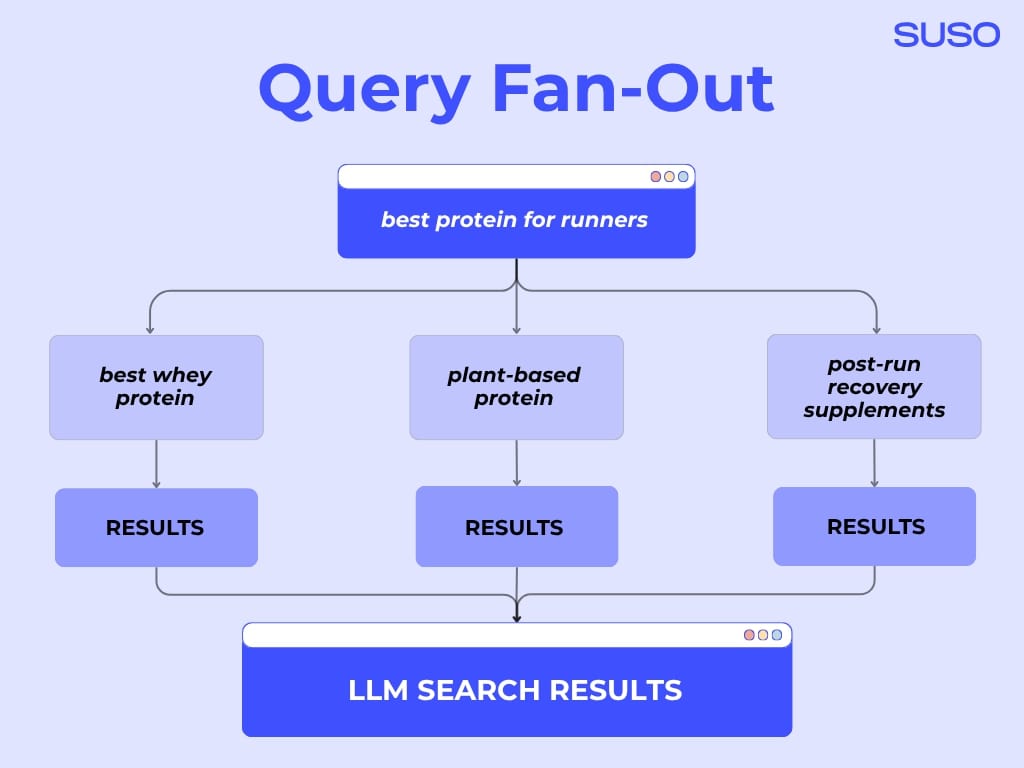
  2. Shift toward topical depth over isolated keyword pages — content clusters covering a topic from multiple angles perform better in AI Mode’s fan-out queries
  3. Add AI citation tracking to your reporting alongside traditional rank tracking (Semrush, Ahrefs, and BrightEdge now include AI Overview data)

**Tier 3 (Monitor):**

  1. Track UCP adoption if you’re in ecommerce or transactional services
  2. Evaluate whether your product/service data can be structured as reliable, current feeds for AI agent consumption

The Core Message

Google’s AI Search optimisation guide is unambiguous: SEO is still SEO. The fundamentals haven’t changed — they’ve been extended to new surfaces. Your technical foundations, content quality, and user-first approach determine whether your pages are eligible for AI citation. The “GEO hacks” circulating in the industry are either unnecessary, ineffective, or carry active downside risk.

Stop paying for AI optimization that contradicts Google guidance.

Do the fundamentals better, produce content that reflects genuine expertise, and track AI citation as a separate KPI alongside traditional ranking position.


Join Our Mailing List To Learn More About SEO Tactics
Geoff Lord The Marketing Tutor

This Report was Compiled By:
Geoff Lord
The Marketing Tutor


**Sources:**

1. [Google Search Central — Optimizing for Generative AI](https://developers.google.com/search/docs/fundamentals/ai-optimization-guide) (Official guide, May 15, 2026)
2. [Google Search Central Blog — New Resource for AI Optimization](https://developers.google.com/search/blog/2026/05/a-new-resource-for-optimizing) (May 15, 2026)
3. [Search Engine Journal — AI Overviews Cut Organic Clicks 38%](https://www.searchenginejournal.com/ai-overviews-cut-organic-clicks-38-field-study-finds/573145/) (January-February 2026)
4. [Launchcodex — Google I/O 2026: AI Search Update Analysis](https://www.launchcodex.com/blog/seo-geo-ai/google-io-ai-search-seo-update/) (May 19, 2026)
5. [QuickSEO — Google AI Overviews Statistics 2026](https://quickseo.ai/blog/google-ai-overviews-statistics-2026-60-data-points-every-seo-should-know) (Aggregated from Profound, SE Ranking, Ahrefs)


The Article Google Just Set the Record Straight on AI Search Optimization was first published on https://marketing-tutor.com

The post Google Just Set the Record Straight on AI Search Optimization first appeared on termspec.

AI Agents Arrive in Search

AI Agents Arrive in Search And What It Means for Your SEO Strategy

AI AgentsGoogle just made its most ambitious announcement yet about its AI Agents for search: AI Mode is evolving from a toggle into an always-on AI agent framework. This isn’t an incremental update — it’s a fundamental shift in how search will work. If you’re still treating AI search as a side project, today is the day to rethink that.

At Google I/O 2026, the company unveiled what it calls “always-on AI Agents” integrated directly into search. Unlike the current AI Mode that requires users to explicitly opt in, this new paradigm keeps AI reasoning active throughout traditional search sessions, handling multi-step tasks autonomously as users browse.

The AI Agents Shift That’s Already Happening

The industry is responding faster than most brands realize. In just the past two months, entire new service categories have emerged:

  • SurgeGraph launched an agent-native CLI and MCP server for Answer Engine Optimization (AEO) and GEO workflows — enabling AI systems to directly research and cite your content without human intermediaries
  • GEOAnalyzer Pro hit the market as an automated AI search optimization platform, with Peregrine Hardware declaring “SEO is Dead. Long Live GEO” in their announcement
  • Multiple SEO agencies — BVM, Redefine ROI, and white-label providers — launched dedicated GEO service tiers at price points ranging from ?35,000/month to enterprise contracts

AI-assisted search is growing at more than 40% annually. The infrastructure for AI citation optimization is being built right now, at scale. Your competitors are already adapting.

Why Brand Awareness Now Determines AI Agents Visibility

Here’s the data point that should keep every CMO awake: Brand is the #1 marketing priority for 2026, but AI search visibility ranks only #17 in planned investments. That’s a dangerous disconnect.

Research shows that AI citation likelihood correlates strongly with brand presence across the web — YouTube, news coverage, Reddit discussions, and industry forums. It’s not just about backlinks anymore. It’s about being mentioned, discussed, and referenced everywhere your audience looks.

Think of it as “distributed authority” rather than link equity. AI systems don’t just crawl your site — they synthesize information from your entire digital footprint. A brand that appears credible across multiple platforms gets cited more often, regardless of traditional domain authority metrics.

What “Always-On AI Agents” Means for Your Content

Google’s always-on AI agents fundamentally change search behavior in three ways:

1. Multi-Step Task Automation

Users will delegate complex research tasks to AI agents that traverse multiple sources. Instead of ten searches to compare products, one AI agent handles the research and returns synthesized recommendations. Your content needs to be structured so AI can extract and synthesize your key points efficiently.

2. Real-Time Citation Tracking

With agents active throughout search, AI systems will continuously evaluate and cite sources based on relevance signals. Content freshness, entity clarity, and source authority become even more critical. The 76.4% of cited pages updated within 30 days stat from recent research takes on new weight.

3. Conversational Context Persistence

AI agents maintain context across a search session, meaning queries build on previous interactions. This favors content that establishes clear expertise and entity relationships — not just pages optimized for single keyword targets.

5 . Steps to Prepare Your SEO for AI Agent Era

Step 1: Audit Your Entity Clarity

Review your top 20 pages and assess whether AI can easily identify what entity you represent, what you offer, and why you matter. Ambiguous messaging kills AI citation potential. Use schema markup to explicitly define your brand, products, and expertise areas.

Step 2: Expand Your Digital Footprint

Actively build presence across YouTube, industry forums, and news outlets — not for links, but for AI citation material. Guest appearances, podcast interviews, and contributed articles to publications your audience reads directly contribute to AI visibility.

Step 3: Restructure Content for AI Extraction

Your content should answer complete questions, not target keyword fragments. AI agents pull from content written for natural conversation — long-tail questions, comprehensive answers, and clear authority signals. Audit your pillar pages for question-based structure.

Step 4: Track AI Citations Separately

Set up monitoring for where your brand and content appear in AI-generated responses. Tools like GEOAnalyzer Pro and dedicated AI search tracking are emerging specifically for this. Don’t wait for Google Search Console to catch up.

Step 5: Diversify Your Traffic Sources

AI-referred traffic converts at 4.4x higher rates than traditional organic, but you shouldn’t rely on any single channel. Build multi-channel presence across traditional SEO, GEO practices, and direct brand building.

The Bottom Line

Google I/O 2026 marks the end of AI search as a “future consideration.” The always-on AI agent paradigm is arriving now, and the infrastructure for optimization is already being built by the industry.

The brands that act now — optimizing for AI citation, building distributed authority, and restructuring content for AI extraction — will capture the quality traffic that’s already shifting from traditional organic. The window for adaptation is open, but it won’t stay open indefinitely.


Join Our Mailing List To Learn More About SEO Tactics
Geoff Lord The Marketing Tutor

This Report was Compiled By:
Geoff Lord
The Marketing Tutor


AI Agent Information Sources:

– [SurgeGraph Agent-Native Launch](https://www.usatoday.com/press-release/story/32904/surgegraph-now-available-as-an-agent-native-cli-mcp-server-and-claude-code-skill-for-aeo-and-geo-workflows/) (May 19, 2026)
– [XstraStar GEO Strategy Analysis](https://finance.yahoo.com/sectors/technology/articles/xstrastar-highlights-growing-importance-geo-193000756.html) (May 19, 2026)
– [Peregrine GEOAnalyzer Pro Launch](https://www.finanznachrichten.de/nachrichten-2026-05/68539032-peregrine-hardware-inc-dba-peregrine-computer-consultants-corporation-pccc-advances-brands-towards-ai-driven-search-with-the-launch-of-geoanalyzer-399.htm) (May 19, 2026)
– [INC Magazine: GEO Focus](https://www.inc.com/inc-leadership-forum/is-your-company-focusing-on-generative-engine-optimization/91326006) (April 2026)
– [Brand vs AI Search Disconnect Report](https://www.msn.com/en-us/money/general/brand-is-the-no-1-cmo-priority-for-2026-ai-search-is-no-17-here-s-why-that-gap-should-worry-you/ar-AA23viNb) (May 18, 2026)

The Article AI Agents Arrive in Search was first published on https://marketing-tutor.com

The post AI Agents Arrive in Search first appeared on termspec.

Google SERPS May 2026 Update And Why Your Rankings May Be Collapsing

Why Your Google SERPS Rankings May Be Collapsing And What You Can Do About It

Google SERPSAnother wave of Google SERPS ranking volatility is rocking the SEO community. Sites are disappearing from the index, Discover traffic has gone completely dead since May 13, and traffic drops of 30% are being reported across multiple industries.

If your rankings feel more unpredictable than ever, you’re not alone—and this time, there are concrete steps you can take to protect your visibility.

What’s Happening Right Now (May 2026)

The SEO community is reporting significant ranking instability in May 2026, with patterns that mirror the chaos seen during the March 2026 core update.

According to recent industry reports, another round of volatility has emerged, with sites vanishing from the index and dramatic traffic fluctuations becoming the norm rather than the exception.

Key signals from the current Google SERPS volatility:

  • – Discover traffic has gone completely dead for some publishers since May 13
  • – 30% traffic drops reported within a single day across multiple verticals
  • – Sites disappearing from Google index entirely
  • – Ranking tools struggling to keep pace with the rapid SERP changes

This isn’t normal weekend fluctuations. The scale and consistency of the reports suggest ongoing algorithmic adjustments, with Google continuing to refine how it evaluates content quality and authority signals.

The Google SERPS Bigger Picture: 2026 Has Been a Turbulent Year

This May volatility doesn’t exist in isolation. 2026 has become one of the most turbulent years in SEO history since the December 2025 core update. SEMrush Sensor has repeatedly hit ~9.5/10 volatility levels (extremely high), and daily ranking fluctuations have become standard across multiple industries.

The pattern is consistent: Google appears to be running continuous, often unannounced algorithm adjustments designed to prevent manipulation. In doing so, it’s also removing much of the stability businesses once relied on.

Why Rankings Alone Don’t Tell the Full Story

One of the most important lessons from recent volatility is this: you can rank #1 and still lose traffic. This phenomenon has become increasingly common as Google expands AI Overviews, shopping modules, and other SERP features that push organic results below the fold.

Publishers and site owners are reporting a troubling disconnect:

  • My rankings are the same.
  • My traffic is gone.
  • My impressions collapsed.

This can happen whenGoogle SERPS Changes May 2026

  • AI Overviews take the click before users need to visit your site
  • Google reduces Discover distribution based on quality signal changes
  • Google SERPS layout shifts push organic results further down the page
  • Query intent gets reinterpreted by AI-driven systems

The result: traditional ranking tracking is no longer sufficient. You need to monitor impressions, CTR, and visibility across all Google surfaces—not just traditional blue links.

The Visibility Squeeze: What’s Driving the Instability

Several Google SERPS key shifts are driving the ongoing volatility:

1. Reduced Organic Real Estate
Traditional listings are increasingly pushed down by ads, AI Overviews, product listings, and other SERP features. Every change in these features directly impacts your click-through rate.

2. AI-Driven Results Surfacing Answers Directly
Google is surfacing answers directly in the SERP, often reducing the need for users to click through to websites. This changes the fundamental value proposition of ranking well.

3. Greater Emphasis on Entity and Authority Signals
Mentions, brand recognition, and off-site visibility are playing a larger role in how content is evaluated. Traditional SEO signals (links, keywords) remain important, but they’re no longer the only factors.

4. Less Predictable Ranking Stability
Algorithm updates and AI systems are recalibrating results more frequently, leading to ongoing fluctuations rather than steady positions.

As a result, strong Google SERPS SEO foundations, high-quality content, and technical optimization are no longer enough on their own. Success increasingly depends on building a recognizable brand, earning visibility beyond your own website, and aligning with how search engines and AI systems interpret authority and intent.

What SEO Practitioners Should Do Right Now

Step 1: Audit Your Traffic Sources Separately

Don’t lump all your traffic together. Segment your analytics by:

  • Traditional organic search
  • AI Overviews and featured snippets
  • Discover traffic
  • Google News visibility

Each channel has different optimization requirements. A drop in Discover might indicate a different problem than a drop in traditional rankings.

Step 2: Strengthen Your Answer Engine Optimization (AEO)

If AI systems can cite your content, you need to build content that’s easy to extract. This means:

  • Short direct answers (40-60 words) at the top of key pages
  • Structured lists and tables that AI can easily parse
  • FAQ sections targeting common questions in your niche
  • Clear headings that follow a question-and-answer format
  • Schema markup to help search engines understand your content structure

Step 3: Build Distributed Authority

Brand mentions across the web—including YouTube, news sites, Reddit, and industry forums—now correlate strongly with AI visibility. This “distributed authority” model matters more than traditional link building alone.

Focus on:

  • Consistent brand mentions across relevant platforms
  • Author transparency and credentials
  • Original research and data that other sites cite
  • Industry participation in discussions and publications

Step 4: Monitor SERP Feature Changes

Set up alerts for changes in:
  • AI Overview presence for your target queries
  • Featured snippet ownership
  • Local pack and shopping module visibility
  • Video and image result prominence

Tools like SEMrush and Ahrefs can help track these changes, but manual spot-checking remains valuable.

Step 5: Avoid Panic Edits

During volatility, the worst move is rewriting everything at once. Instead:

  1. Document what changed with screenshots and data
  2. Compare winners vs losers within your site
  3. Wait 7-14 days before making major structural changes
  4. Focus on quick wins (schema markup, AEO blocks) while monitoring

What This Means for SEO Strategy

The era of “set it and forget it” SEO is over. The current environment requires:

  • Continuous monitoring across multiple Google surfaces
  • Rapid response to algorithm changes
  • Diversified traffic sources beyond traditional search
  • Brand-building as a core SEO activity
  • Content structured for AI extraction, not just human readers

Google SERPs’ recent behaviour suggests a longer-term shift in how search operates. Rankings are less stable, visibility is more fluid, and performance can change quickly even without direct action on your part.

For businesses, this means adapting to a more dynamic environment. Success will come from maintaining strong visibility across multiple touchpoints, monitoring broader performance trends, and continuing to invest in quality content and brand authority.


Join Our Mailing List To Learn More About SEO Tactics
Geoff Lord The Marketing Tutor

This Report was Compiled By:
Geoff Lord
The Marketing Tutor


May 19, 2026 | SEO Trends Sources

1. [Great Ape Digital – Google’s 2026 Ranking Volatility Crisis](https://www.greatape.digital/articles/seo/googles-2026-ranking-volatility-crisis-whats-really-happening-to-seo/)
2. [UnReal Web Marketing – Google Search Ranking Volatility Extended Report 2026](https://unrealwebmarketing.com/blog/google-search-ranking-volatility-heats-up-extended-report-2026-edition/)
3. [Search Engine Roundtable – March 2026 Spam Update Coverage](https://www.seroundtable.com/google-march-2026-spam-update-41109.html)
4. [SEMrush Sensor – Volatility Tracking](https://www.semrush.com/sensor/)
5. [Search Engine Land – 75 SEO Thought Leaders on GEO Debate](https://searchengineland.com/seo-thought-leaders-geo-debate-research-467766)
6. [Reddit SEO Community – Ranking Drop Reports](https://www.reddit.com/r/seo/)


Track your SEO performance with these insights. For more on answer engine optimization and brand authority building, explore our SEO services overview (https://marketing-tutor.com/blog).

The Article Google SERPS May 2026 Update And Why Your Rankings May Be Collapsing was first published on https://marketing-tutor.com

The post Google SERPS May 2026 Update And Why Your Rankings May Be Collapsing first appeared on termspec.

AI-Referred Traffic Shifts Favours First-Party Brands

Why Google’s Source Authority AI-referred traffic Shifts Favours First-Party Brands

AI-referred traffic TrendsTraffic to U.S. retailers via AI-referred traffic Shifts Favours First-Party Brands and grew 393% year-over-year in Q1 2026. But volume isn’t the story. The story is what happens after arrival: AI traffic now converts 42% better than non-AI traffic. Twelve months ago, it was the worst-performing channel in retail. Now it’s the best.

This isn’t gradual improvement. It’s a sign flip. And Google’s March 2026 core update just made the conditions for that flip even more favourable—for specific types of sites.

The numbers from Adobe’s Q2 2026 report landed quietly—but they should change how you think about every metric on your dashboard.

The AI-referred Traffic Funnel Inversion Nobody Predicted

For years, SEOs and CRO specialists operated under a settled assumption: AI assistants surface your content, humans click through, and you still have to close them in the funnel. The AI referral was top-of-funnel, like organic search always was.

Adobe’s data says that assumption is wrong—now.

When someone arrives from ChatGPT, Perplexity, or Gemini, they’ve already done their research inside the assistant. They compared options. They asked follow-up questions. They landed on your page as the last step in a decision, not the first. The click isn’t the start of consideration—it’s the end.

Adobe’s metrics confirm this: 12% higher engagement, 48% longer session duration, 37% higher revenue per visit compared to non-AI traffic. That’s not a better funnel. It’s a shorter funnel. Most of the work happened before the visit.

Google Just Confirmed Which Sites Deserve That AI-referred Traffic

While Adobe’s report was circulating, Amsive published its analysis of Google’s March core update—and the pattern it found aligns with the Adobe data in a way that should inform your strategy immediately.

Aggregators and user-generated content platforms lost significant visibility. YouTube dropped 567 SISTRIX visibility points, the largest single-domain loss in the dataset. Reddit lost 64, Instagram 48, X lost 46. In travel, OTAs like TripAdvisor, Yelp, and Expedia declined, while hotel chains gained.

First-party brand sites and government domains gained.

Lily Ray, VP of SEO and AI Search at Amsive, put it directly on LinkedIn: *”This was a weird core update, but I think the main takeaways are consistent with broader trends we are seeing in Google search: the push toward elevating the actual companies selling the product/service, not the companies ‘writing about them.’”*

Two things are true at the same time:

1. AI traffic brings pre-qualified buyers (Adobe)
2. Google is favoring the site that owns the product or service (Amsive)

If you’re the original source—the brand that makes it, sells it, or provides it—these trends reinforce each other. If you’re a aggregator, publisher, or platform that covers what others make, the math is getting harder on two fronts at once.

The Distributed Authority Model That Powers AI Citations

There’s a third data point that ties these trends together: brand mentions correlate more strongly with AI Overview visibility than backlinks.

Research shows AI-referred traffic brand mentions carry a 0.664 correlation with AI Overview appearance, while traditional backlinks score only 0.218. This is the distributed authority model—not a single authoritative domain, but presence across Wikipedia, Reddit, YouTube, industry forums, and news outlets all contributing to AI citation likelihood.

Google’s recent updates to AI Search make this explicit. The May 2026 update added inline links placed next to relevant sentences in AI Overviews, not just clustered at the bottom. It added previews from public forum discussions alongside AI-generated answers. And it expanded Preferred Sources—a feature letting users choose publishers they want to see more often in Discover—to all languages.

These are all mechanisms for surfacing source identity. Google is building more paths back to the brand that owns the thing.

What “Own The Thing” Means Practically

Ai VisibilityThis isn’t just an abstract direction. It translates to specific content and technical decisions.

Be the source. If you make the product, provide the service, or own the data—say so, early and clearly. Product pages that lead with what the thing is, what it costs, and whether it’s available will outrank lifestyle-first pages that bury specs under brand theater.

Be machine-readable. Most AI crawlers don’t execute JavaScript the way browsers do. If your critical facts—price, availability, specs—require JavaScript to render, AI models can’t cite what they can’t see. Disable JavaScript in a test browser profile and reload your product page. If the price isn’t in the HTML, neither is the AI citation.

Build presence beyond your site. The distributed authority model means brand mentions across Reddit, YouTube, and forums contribute to AI visibility. This isn’t brand awareness—it’s a technical signal.

Audit for answer-first structure. AI models retrieve the first dense, structured facts they find. Lead with the product name, price, and availability before brand navigation, hero imagery, and carousel content. Humans tolerate brand theater. AI indexers don’t scroll past it.

The AI-referred Traffic Measurement Shift Nobody’s Made Yet

The Post-SEO World Strategy ShiftHere’s the operational problem: most analytics setups can’t distinguish AI-referred traffic from organic. The session recordings don’t capture bots. The attribution rarely tags AI referrals cleanly. And the conversion rates get averaged into the aggregate.

If AI traffic converts 42% better than non-AI traffic, mixing it into your overall conversion rate hides the signal. You’re optimizing for the average when you should be isolating the premium.

Set up a segment for AI referrals. Compare conversion rates segment by segment. If the numbers match Adobe’s data, the strategic case for AI citation optimization becomes a CRO case—and those are easier to make in a budget meeting.

The AI-referred Traffic Trends Takeaway

Two trends are converging. AI traffic isn’t low-quality anymore—it’s the highest-quality channel in retail. And Google is systematically favoring first-party sources over aggregators.

The playbooks written for “AI-referred traffic is early, optimize gradually” are calibrated to the wrong curve. The channel flipped. The winners in the next 12 months will be brands that own their products AND have made those products readable to machines.

If your conversion numbers look flat, especially from AI-referred traffic, don’t wait for the channel to mature. Audit the website. The problem is probably legibility, not volume.


Join Our Mailing List To Learn More About SEO Tactics
Geoff Lord The Marketing Tutor

This Report was Compiled By:
Geoff Lord
The Marketing Tutor


Sources:

– [Adobe 2026 Q2 AI Traffic Report](https://business.adobe.com/resources/sdk/2026-q2-ai-traffic-report.html)
– [Search Engine Journal: Lessons Learned From Adobe’s 2026 Q2 AI Traffic Report](https://www.searchenginejournal.com/lessons-learned-from-adobes-2026-q2-ai-traffic-report/574176/)
– [Search Engine Journal: Google Core Update Reshuffles Winners, AI Search Expands Links](https://www.searchenginejournal.com/seo-pulse-new-ai-search-links-core-update-winners-and-losers/574314/)
– [Amsive: March 2026 Core Update Analysis](https://www.amsive.com/)
– [Search Engine Journal: Google Adds More Links & Link Context To AI Search](https://www.searchenginejournal.com/google-adds-more-links-link-context-to-ai-search/574008/)
– [Search Engine Journal: Google’s Preferred Sources Is Now A Global SEO Signal](https://www.searchenginejournal.com/googles-preferred-sources-feature-is-now-a-global-seo-signal/573591/)

The Article AI-Referred Traffic Shifts Favours First-Party Brands was first published on https://marketing-tutor.com

The post AI-Referred Traffic Shifts Favours First-Party Brands first appeared on termspec.

The AI Citation Premium

As an AI Citation Premium, Every Click From ChatGPT Is Worth 9x More Than Organic Search Clicks.

AI CitationsThe AI Citation Premium numbers are in, and they should change how you think about every AI referral in your analytics.

According to research from Seer Interactive (June 2025), LLM visitors convert at 15.9% from ChatGPT, 10.5% from Perplexity, and 5% from Claude — compared to just 1.76% from traditional organic search. That’s an 8-9x conversion premium for AI-sourced traffic.

Meanwhile, Google AI Overviews now appear in approximately 48% of all Google searches, and ChatGPT has reached 883 million monthly users. The shift isn’t coming. It’s here.

Yet most brands still track AI visibility as an afterthought, if at all. This gap between AI’s strategic importance and marketers’ operational readiness represents the biggest missed opportunity in digital marketing today.

The Problem With Traditional SEO Metrics Vs AI Citation Clicks

Your ranking tracker tells you where you stand on Google’s organic results. It does not tell you whether ChatGPT mentions your brand when someone asks about your category. It doesn’t show whether Perplexity cites your content as a source. And it certainly doesn’t capture the conversion quality of those AI referrals.

Teams that track only rankings and organic clicks miss their GEO performance entirely. Adding AI referral traffic tracking in Google Analytics 4 takes about 10 minutes and should be standard practice for any content marketing program in 2026.

The fundamental issue: traditional SEO tools were never designed to measure brand presence in AI-generated responses. You’re trying to navigate a new landscape with yesterday’s map.

The AI Citation Instability Crisis

Here’s what makes AI visibility tracking urgent: AI citations are volatile.

Research shows that 40-60% of cited sources change month-to-month on both Google AI Mode and ChatGPT. The page that dominated AI citations in January may be replaced entirely by March. Content freshness isn’t just a ranking factor anymore — it’s a citation survival factor.

This instability creates both risk and opportunity. Brands that maintain fresh, authoritative content can displace established players who neglect their material. The GEO playing field resets continuously.

AI Citations

As Princeton University research identified, the factors that most significantly increase the probability of being cited in AI-generated responses include:

  • Content comprehensiveness
  • Structural clarity
  • Factual specificity with verifiable data
  • Source credibility signals
  • Consistency across platforms

Building Your AI Visibility Stack

The market has responded to this challenge. New tools now track how your brand appears when someone asks ChatGPT, Perplexity, Gemini, or Claude a question. Leading platforms include SE Ranking’s AI Visibility Tracker, Otterly.ai, Finseo, and Sight AI — each offering slightly different approaches to monitoring cross-platform presence.

For practical implementation, HubSpot’s approach worth noting: they analyze the specific URLs and content types (blogs, news, Reddit) that Perplexity references when mentioning brands, helping identify which third-party sources shape your AI reputation.

The key metrics to track:

Metric Why It Matters
Brand mention rate across LLMs Baseline visibility
Citation context (mentioned as authority compared to competitors) Quality signal
Source URL performance Which content earns citations
AI referral conversion rate ROI measurement
Citation stability month-over-month Content freshness indicator

The Compounding Effect of GEO Authority

Here’s what separates winning brands from also-rans in AI visibility: GEO authority compounds.

Brands that publish 10-20 high-quality articles per month across a focused topic cluster build citation authority faster than brands publishing 2 articles monthly. This isn’t about volume alone — it’s about consistent, authoritative presence within a defined expertise area.

The Princeton research validates this: top GEO methods achieve 30-40% visibility improvement when you combine citing sources, adding statistics, and including quotations. These aren’t exotic tactics. They’re content fundamentals turbocharged for AI consumption.

Your 5-Step GEO Audit

Ready to close the gap between traditional SEO and AI visibility? Start here:

Step 1: Enable AI Citation Referral Tracking in GA4

Create a custom dimension to capture traffic source as “ChatGPT,” “Perplexity,” “Claude,” etc. Compare conversion rates against organic to establish your baseline premium.

Step 2: Run Monthly Brand Mentions Across Platforms.

Use tools like SE Ranking or Otterly to test 50-100 relevant queries and document which AI engines mention your brand, in what context, and compared to which competitors.

Step 3: Audit Content for AI Citation Factors

Review your top-performing pages for: statistical data (verifiable facts), proper heading structure, expert quotes, cited sources, and comprehensive coverage of the topic.

Step 4: Establish a Content Freshness Cadence
Given 40-60% monthly citation turnover, schedule quarterly content updates for your most-cited pieces. Add new data, refresh statistics, update expert quotes.

Step 5: Build Cross-Platform Authority Signals

Presence across Wikipedia, Reddit, YouTube, and industry forums correlates strongly with AI citation likelihood. A distributed authority model outperforms traditional link building for GEO purposes.

The Bottom Line

AI CitationsThe AI citation premium is real. LLM visitors don’t just convert at higher rates — they arrive with higher intent, having interacted with your brand as a cited authority rather than finding you through keyword matching.

Traditional SEO remains foundational. But in 2026, your GEO performance will be as important as your ranking position. The brands that build AI visibility tracking into their standard operations today will own the citation authority tomorrow.

Don’t let your most valuable referral source remain invisible in your analytics.


Join Our Mailing List To Learn More About SEO Tactics
Geoff Lord The Marketing Tutor

This Report was Compiled By:
Geoff Lord
The Marketing Tutor


SEO Trend Report Morning Briefing May 16, 2026


AI Citation Sources

Seer Interactive (June 2025), Omnibound.ai, SE Ranking, Otterly.ai, Princeton University GEO Research, HubSpot, Enrich Labs

The Article The AI Citation Premium was first published on https://marketing-tutor.com

The post The AI Citation Premium first appeared on termspec.

Search Traffic Collapse in The Post-SEO World

How Publishers Are Rebuilding for a Post-SEO World

The Post-SEO World Strategy ShiftThe numbers are stark in the Post-SEO World. Over the past two years, small publishers have seen their search referral traffic decline by 60%. Medium publishers dropped 47%, while even the largest media companies saw a 22% decrease.

This isn’t a temporary dip — it’s a structural shift that’s forcing every SEO professional to reconsider their fundamental assumptions.

New data from content intelligence platform Chartbeat, published by Axios in March 2026, reveals the scale of the crisis hitting the publishing industry. But the most unsettling finding isn’t the traffic decline itself — it’s what isn’t filling the gap. AI chatbots account for less than 1% of publisher page view referrals, meaning the much-discussed “AI traffic boost” hasn’t materialized.

“We’re planning as if search is zero,” said Condé Nast CEO Roger Lynch in a Financial Times interview, describing how the publisher of Vogue, The New Yorker, and Wired has fundamentally restructured its business assumptions. Search now represents only 25% of Condé Nast’s total visits, down from a majority position just two years prior.

For SEO professionals, this raises urgent questions: What does this mean for traditional search optimization? Where should you be investing resources? And how do you build sustainable visibility when the foundation is crumbling?

The Deindexing Crisis Compounds the Problem In The Post-SEO World

Making matters worse, May 2026 has seen renewed search volatility, with multiple tracking tools detecting significant ranking fluctuations on May 13-14. But the more insidious issue is the continuing trend of deindexing — more sites are reporting that their pages are being marked “Crawled – currently not indexed.”

This isn’t about ranking changes; it’s about disappearing entirely from search results. Sites that have followed best practices for years are finding their content never appears in Google, even when they previously ranked well. The message from Google seems clear: the company’s resources are focused on AI Overviews and featured content, not traditional organic listings.

Why AI Overviews Aren’t the Salvation Many Hoped For in The Post-SEO World

There’s a tempting narrative that AI Overviews will eventually drive traffic to publishers. The theory goes that being cited in AI summaries will translate to clicks when users want to read more. But the data demolishes this assumption.

Chartbeat’s analysis found that AI chatbots drive a negligible fraction of publisher traffic — less than 1% across the industry. Even Condé Nast, which has been prominently featured in AI Overviews for many queries, has watched search traffic decline precipitously. Being mentioned by AI doesn’t mean being clicked by humans.

The reason is straightforward: AI Overviews are designed to answer questions directly, removing the need for users to click through to source material. When someone asks “What are the best hiking trails near Denver?” Google serves an AI-generated answer with minimal incentive to click through to a publisher’s site. The AI summary IS the answer.

The Path Forward: Diversification and Direct Relationships

The Post-SEO World Strategy ShiftPublishers aren’t giving up on search — they’re reducing their dependency on it. The most successful operators are investing in three strategic shifts that every SEO professional should understand:

1. Direct Audience Building

The publishers weathering this storm best are those who invested early in direct relationships. Newsletter subscribers, app users, and loyal readers who come directly to your site represent traffic that no algorithm can steal. Condé Nast’s shift toward subscription and membership models reflects this reality.

Action step: Audit your traffic mix. If organic search represents more than 50% of your visits, you’re overexposed. Set a target to grow direct traffic by 10% within six months through email capture, push notifications, and loyalty programs.

2. Multi-Platform Presence

Reddit referrals have emerged as a surprising growth channel. While search traffic declines, referrals from community platforms are increasing. YouTube visibility, social discovery, and syndication partnerships are all gaining importance.

Action step: Identify which platforms your audience already uses. Don’t try to be everywhere — pick two or three where your content has the best chance of being discovered organically, then double down on those.

3. Answer Engine Optimization (AEO)

Traditional SEO skills translate directly to AEO, but in the Post-SEO World, the focus shifts from ranking to citing. The goal isn’t just to appear on page one — it’s to be the source AI overviews cite. This requires different optimization tactics: structuring content to directly answer questions, building brand authority across the web, and ensuring your information appears in sources AI systems already trust.

Action step: Review your top-ranking content. Can it be restructured to answer specific questions in the first 60 words? Are you cited in Wikipedia, industry forums, or other authoritative sources that AI systems reference?

What This Means for Your SEO Strategy

The collapse in publisher search traffic in the Post-SEO World isn’t a problem for publishers alone. It reflects a fundamental change in how information flows on the web. As an SEO professional, your clients — and your own visibility efforts — operate in an environment where:

– Traditional organic rankings matter less because users get answers directly from Google
– Being featured in AI Overviews doesn’t translate to meaningful traffic
– Indexing status is increasingly precarious, with sites vanishing from results without warning
– The path to sustainable visibility requires building authority that AI systems actually cite

This doesn’t mean SEO is dead. It means the game has changed. The professionals who thrive in this environment will be those who help clients build diversified traffic strategies, optimize for answer engines, and invest in direct audience relationships. Waiting for search traffic to recover isn’t a strategy — it’s hope dressed up as planning.

The publishers who saw this coming early — Condé Nast, People Inc., Ziff Davis, Future — are the ones now positioned to survive. Those who clung to traditional SEO thinking are scrambling to catch up.

Your move.


Join Our Mailing List To Learn More About SEO Tactics
Geoff Lord The Marketing Tutor

This Report was Compiled By:
Geoff Lord
The Marketing Tutor


Sources:

1. [Axios: Small publishers hit hardest by search traffic declines](https://www.axios.com/2026/03/17/chartbeat-search-traffic-ai-chatbots)
2. [Search Engine Land: Condé Nast expects search to become a single-digit of its traffic](https://searchengineland.com/conde-nast-search-single-digit-traffic-477358)
3. [ALM Corp: Small Publishers Lost 60% of Search Traffic – Chartbeat Data](https://almcorp.com/blog/search-traffic-decline-small-publishers-chartbeat-data/)
4. [PPC Land: Google search volatility spikes again and sites vanishing](https://ppc.land/google-search-volatility-spikes-again-and-sites-are-vanishing-from-the-index/)
5. [12AM Agency: The 2026 Publisher’s Guide to AI Overviews](https://12amagency.com/blog/guide-to-ai-overviews/)
6. [Digiday: Media Briefing – Anatomy of publishers’ SEO dilemma](https://digiday.com/media/media-briefing-the-anatomy-of-the-publishers-seo-dilemma/)
7. [Reuters Institute Digital News Report 2026](https://reutersinstitute.politics.ox.ac.uk/digital-news-report/2026)


The Article Search Traffic Collapse in The Post-SEO World was first published on https://marketing-tutor.com

The post Search Traffic Collapse in The Post-SEO World first appeared on termspec.

Video SEO Options in 2026

Your YouTube Video SEO Strategy Is Only Half the Battle

Video SEOThe Video SEO search landscape has shifted. While marketers pour resources into YouTube optimization, a quieter revolution is happening. Video content is becoming a direct ranking factor across Google. Here’s what that means for your Video SEO strategy for 2026.

If you’re treating YouTube as a separate channel from your SEO efforts, you’re leaving visibility on the table.

Video SEO content has evolved from a engagement tactic into a core component of search visibility. In 2026, Google surfaces video results for an ever-expanding range of queries, from product demonstrations to educational tutorials. Yet most SEO strategies still treat video as an afterthought—something created after the blog post is done.

This approach is becoming a liability. Here’s what’s changing and how to adapt.

The Numbers Behind the Video SEO Shift

The data tells a clear story about where video fits in the modern search ecosystem:

  • YouTube processes over 3 billion searches monthly, making it the world’s second-largest search engine by query volume
  • 41% of Gen Z now initiates searches on social platforms rather than traditional search engines, according to Sprout Social’s Q2 2025 Pulse Survey
  • Video content is growing faster than any other content type, per Sprout’s 2025 Content Benchmarks Report
  • 69% of YouTube views now come from mobile devices, which means your video strategy must be optimized for small screens by default
  • Creators uploading  12 or more times monthly** see view rates increase **53% faster** than those posting 1-3 times per month

These numbers reveal a pattern: audiences expect video answers, and search engines are responding by featuring video content more prominently across results pages.

Why YouTube Video SEO Optimization Alone Falls Short

The typical video SEO approach focuses entirely on YouTube’s internal metrics—thumbnail CTR, watch time, subscriber counts, and engagement rates. While these matter for YouTube’s recommendation algorithm, they don’t directly impact how Google evaluates your video’s relevance.

Google indexes video differently than YouTube does. Search engines can’t “watch” content, so they rely on text signals to understand what your video is about. This includes:

  • Video titles and descriptions  with keyword placement
  • Closed captions and transcripts that provide crawlable content
  • Video schema markup that tells Google exactly what the video contains
  • Hosting page content surrounding the video embed

The disconnect? Many creators optimize for YouTube’s algorithm without considering these Google-specific signals. The result is a video that performs well within YouTube but never appears in Google search results.

The Technical Foundation for Cross-Platform Video Visibility

Getting your video to rank in both YouTube and Google requires attention to technical fundamentals that serve both platforms:

Video Schema Markup

Structured data remains one of the most underutilized video optimization tactics. VideoObject schema tells Google about your video’s duration, thumbnail, upload date, and description. Without it, Google’s systems must infer this information—often inaccurately.

Essential schema properties include:

  • name: Your video title
  • description: A keyword-rich summary (150-300 characters works well)
  • thumbnailUrl: A high-resolution preview image
  • uploadDate: When the video was published
  • duration: Video length in ISO 8601 format
  • embedUrl: The YouTube embed URL

Transcript and Caption Strategy

Video SEOYouTube auto-generates captions, but accuracy varies significantly—particularly with industry terminology, accents, or audio quality issues. Better transcripts serve two purposes: they improve accessibility while providing Google with a rich text index of your video’s spoken content.

For maximum SEO value, upload a custom transcript file rather than relying on auto-captions. This allows you to include the exact phrasing and terminology you want Google to associate with your content.

Hosting Page Optimization

Where you embed your video matters as much as the video itself. A video embedded on a thin page with minimal surrounding content signals lower relevance to Google than one on a comprehensive resource page.

Each video page should include:

  • A keyword-focused introduction (300-500 words minimum)
  • H2/H3 headers that reinforce topical relevance
  • Related text content that expands on what the video covers
  • Internal links to related resources

Short-Form Video’s Unexpected Video SEO Role

The rise of YouTube Shorts and TikTok has complicated the video SEO landscape. Short-form content now drives significant discovery traffic—often introducing viewers to creators they wouldn’t have found through traditional search.

This creates an interesting dynamic for SEO:

  • Shorts build topical authority through volume and consistency
  • Engagement signals from Shorts can influence how Google perceives your broader channel
  • Shorts-to-long-form bridges  let you convert casual viewers into engaged subscribers

The key insight: don’t treat Shorts as separate from your SEO strategy. The watch time, retention, and engagement signals they generate contribute to your channel’s overall authority signals.

A Framework for Dual-Platform Video SEO Optimization

Rather than choosing between YouTube optimization and Google optimization, build a workflow that serves both:

  1. Keyword research first.** Identify queries where video results appear in Google. These are your priority targets—video content that ranks here gets visibility from both YouTube search and Google search simultaneously.
  2. Structure content for both engines.** Place keywords near the beginning of titles. Write descriptions that serve human readers and search crawlers. Include timestamps that double as keyword-rich section markers.
  3. Prioritize technical completeness.** Every video gets custom captions, VideoObject schema markup, and a hosting page optimized for its target queries.
  4. Cross-link strategically.** Link from your YouTube videos to relevant blog content and vice versa. This reinforces topical relevance and distributes link equity.
  5. Publish consistently.** The 12-upload monthly threshold isn’t arbitrary—it reflects YouTube’s algorithm favoring channels with reliable publishing cadences.

What This Means for Your Content Calendar

Video SEOVideo production is resource-intensive, so strategic prioritization matters. Not every piece of content needs a video—focus on queries where video results appear in Google, topics where visual demonstration adds significant value, and high-traffic pillar pages that could benefit from video embedding.

The SEO payoff from video optimization often takes 3-6 months to materialize as Google re-crawls and re-evaluates your content. Patience and consistency matter more than viral moments.

Key Takeaways For Your Video SEO Strategy 2026

  • Video SEO extends beyond YouTube. Google increasingly surfaces video results across diverse queries.
  • Technical optimization is non-negotiable. Video schema, transcripts, and hosting page content determine Google visibility.
  • Short-form and long-form work together. Shorts build discovery; long-form converts engagement into authority.
  • Consistency compounds. Channels publishing 12+ times monthly see significantly faster growth.

Join Our Mailing List To Learn More About SEO Tactics
Geoff Lord The Marketing Tutor

This Report was Compiled By:
Geoff Lord
The Marketing Tutor


Sources

– [Sprout Social: YouTube SEO in 2026](https://sproutsocial.com/insights/youtube-seo/)
– [Sprout Social Q2 2025 Pulse Survey](https://investors.sproutsocial.com/news/news-details/2025/)
– [Sprout Social 2025 Content Benchmarks Report](https://sproutsocial.com/insights/data/content-benchmarks/)
– [VidIQ: How Often to Post on YouTube](https://vidiq.com/blog/post/How-Often-to-Post-on-Youtube/)
– [Tubular Labs / Chartbeat: YouTube Mobile Viewership Data](https://lp.chartbeat.com/hubfs/TUB-Guides%20Resources/Tubular-Hidden-Trends-Big-Moves.pdf)
– [Bing News: Creators adapt to 2026 short-form video algorithm shifts](https://www.msn.com/en-us/news/other/creators-adapt-to-2026-short-form-video-algorithm-shifts/)


The Article Video SEO Options in 2026 was first published on https://marketing-tutor.com

The post Video SEO Options in 2026 first appeared on termspec.

Best Practices for Advanced SEO Scalability: Key Strategies

Essential Principles for Achieving Advanced SEO Scalability

What Elements Constitute Strong SEO Foundations?

Digital foundation emerging from soil, with code roots branching to interconnected devices symbolizing SEO growth.

Establishing strong SEO foundations is vital for achieving scalable growth. This necessitates a comprehensive understanding of the fundamental components that contribute to sustained adaptability and performance over time. A robust SEO framework prioritizes not only immediate gains but also lays the groundwork for ongoing success. Critical elements include producing high-quality content, optimizing site architecture, and ensuring mobile responsiveness. A well-structured SEO foundation facilitates seamless adjustments as technological advancements and user expectations evolve.

When laying the groundwork for your SEO strategy, consider the following essential tools that can significantly enhance performance:

  • Google Search Console: This tool helps in monitoring site performance and identifying potential issues.
  • Ahrefs or SEMrush: These are indispensable for conducting comprehensive keyword research and competitor analysis.
  • Yoast SEO: A powerful tool designed for optimizing on-page elements and ensuring content quality.
  • Screaming Frog: Ideal for performing detailed technical audits and uncovering SEO-related issues.
  • Google Analytics: Essential for analyzing traffic patterns and understanding user behavior.
  • HubSpot: This platform integrates SEO efforts with broader marketing strategies for cohesive execution.
  • Moz Pro: Useful for tracking keyword rankings and effectively optimizing web pages.

By leveraging these tools, organizations can build robust SEO foundations that ultimately support scalability in a fiercely competitive landscape.

Effective Strategies for Enhancing Site Architecture

Enhancing site architecture is a strategic undertaking that significantly improves both usability and search engine friendliness. An effective site structure provides users and search engines with an intuitive navigational experience, making content easily discoverable. Prioritizing user experience is crucial; a well-structured site encourages visitors to explore additional pages, which helps lower bounce rates and boosts engagement levels.

To achieve a scalable site architecture, focus on these effective strategies:
Create a Clear Hierarchy: Organize your content into logical categories and subcategories, guiding users seamlessly through the site. A clear hierarchy also aids search engines in comprehending the relationships between different pieces of content.
Utilize Internal Linking: Foster connections between related pages using internal links. This practice not only aids in distributing page authority but also assists users in accessing relevant information easily.
Optimize URLs: Ensure that URLs are concise and relevant to their corresponding content. Descriptive URLs can enhance click-through rates in search results.
Implement Breadcrumb Navigation: Breadcrumbs improve user navigation and context, allowing users to trace their steps back to previous categories effortlessly.
Enhance Mobile Responsiveness: With mobile traffic steadily increasing, ensure your site is fully optimized for mobile devices. A responsive design improves usability and elevates search rankings.
Integrate Schema Markup: Employing schema markup enhances search engines’ understanding of your content, which can lead to improved visibility in rich snippets.

By adopting these strategies, businesses can create a scalable site architecture that adapts effectively to changing user behaviors and evolving search engine algorithms.

Proven Techniques for Scaling Content Creation

Scaling content creation is essential for driving ongoing visibility and user engagement without exhausting resources. This process involves expanding your content library in a sustainable manner while ensuring that quality and relevance are maintained. When scaling content, it is crucial to create a diverse array of materials that cater to various audience segments and search intents.

Some effective techniques for content scaling include:
Developing a Content Calendar: Plan and schedule content in advance to ensure a consistent flow of publications. This proactive strategy helps teams stay organized and aligned with overarching strategic goals.
Repurposing Existing Content: Transform existing materials into different formats—such as videos, infographics, or podcasts—to engage new audiences and prolong the lifespan of your original content.
Incorporating User-Generated Content: Encourage your audience to share content, such as reviews or testimonials. User-generated content fosters community engagement and introduces fresh perspectives.
Using Data-Driven Insights for Topic Ideas: Analyze search trends and audience interests to guide your content creation efforts. Tools like Google Trends or BuzzSumo can provide valuable insights into what topics resonate with your target demographic.
Outsourcing When Necessary: If in-house resources are limited, consider collaborating with freelance writers or marketing agencies to maintain content quality while scaling production.

By employing these techniques, organizations can sustainably expand their content offerings, driving traffic and fostering engagement across various platforms and formats.

How to Implement Scalable Keyword Research Effectively?

Digital analyst at high-tech desk viewing SEO keyword graphs and trend lines.

Implementing scalable keyword research is essential for ensuring a steady stream of targeted traffic. This process needs a systematic approach that adapts to changes in the market and user behaviors. Instead of relying solely on a static list of keywords, adopting a dynamic keyword strategy allows for responsiveness to shifting search trends.

A sustainable keyword research strategy includes:
Utilizing Advanced Tools: Harness tools like Ahrefs, SEMrush, or Moz to uncover keyword opportunities and track performance metrics. These tools offer insights into search volume, competition levels, and related keywords, enhancing your research process.
Monitoring Market Trends: Stay abreast of industry trends and seasonal fluctuations in search behavior. Tools like Google Trends can help identify emerging topics or shifts in user interests that should inform your keyword strategy.
Conducting Competitor Analysis: Analyze the keywords your competitors target to identify gaps in your strategy. This analysis can reveal opportunities for content creation where competition is limited but demand is significant.
Building a Keyword Matrix: Organize keywords into categories based on user intent (informational, navigational, transactional) to tailor content strategies that align with user goals effectively.
Regularly Updating Keyword Lists: Make it a routine to review and refresh your keyword lists. This iterative approach ensures that your SEO strategy remains relevant and effective as trends evolve.

By employing these approaches, organizations can ensure a consistent influx of targeted traffic while supporting long-term SEO success.

How to Seamlessly Integrate Advanced SEO Scalability?

Essential Steps for Integrating Scalable Tools

Integrating scalable tools into your SEO strategy is a fundamental step toward achieving sustainable growth. Selecting the right tools can streamline processes, enhance collaboration, and provide valuable insights that drive informed decision-making. Choosing appropriate tools should be based on performance metrics, user-friendliness, and compatibility with existing systems.

To effectively integrate scalable tools, consider the following steps:
Assess Current Tools and Needs: Review your existing tools to identify gaps or inefficiencies. Understanding your specific requirements will guide you in choosing tools that enhance your SEO capabilities.
Research and Select Tools with Scalability: Seek tools that not only meet your current needs but also offer features that support future growth. For instance, selecting a platform that can accommodate increasing data demands or has robust integrations can save time and resources in the long run.
Ensure User Buy-in: Involve your team in the selection process to ensure that the chosen tools meet their needs. Securing user buy-in can lead to smoother adoption and better utilization of the tools.
Plan for Training and Onboarding: Develop a comprehensive training program for team members to ensure they can effectively use the new tools. This may include tutorials, workshops, or regular check-ins to address questions and challenges.
Monitor Performance and Adjust: After implementing new tools, track their performance against your established metrics. Analyzing their effectiveness will help you make informed adjustments and optimize workflows as necessary.

By following these steps, organizations can seamlessly adopt tools that support their growth and facilitate the scalability of their SEO efforts.

Why Is Emphasizing Technical SEO Crucial for Scalability?

Digital blueprint with gears for site speed, ramps for accessibility, and spiders crawling a web for SEO growth.

Focusing on technical SEO aspects is essential for establishing a solid foundation that supports scalable growth. Technical SEO encompasses various elements impacting site speed, accessibility, and overall performance, which are critical for maintaining sustained search rankings. By prioritizing these technical components, businesses can significantly enhance their site’s ability to be crawled and indexed by search engines.

Key reasons to focus on technical SEO include:
Enhancing Site Speed: Fast-loading websites improve user experience and reduce bounce rates. Optimizing images, leveraging browser caching, and minifying CSS and JavaScript files are effective strategies to enhance loading speed.
Facilitating Mobile Optimization: Given that mobile traffic accounts for a substantial portion of web visits, ensuring your site is mobile-friendly is paramount. Implement responsive design techniques to deliver an optimal experience across all devices.
Improving Site Accessibility: A technically sound site is more accessible to users with disabilities. Adhering to best practices, such as using alt tags for images and ensuring proper heading structures, contributes to a broader reach and compliance with accessibility standards.
Fixing Crawl Errors: Regularly monitoring and resolving crawl errors can enhance your site’s indexability. Addressing issues like broken links or incorrect redirects ensures that search engines can efficiently access your content.

By concentrating on these technical aspects, businesses can achieve better site performance, ultimately supporting their scalability efforts and enhancing overall SEO effectiveness.

How to Measure the Success of Integration?

Measuring the success of SEO integration is crucial for evaluating the effectiveness of the strategies that have been implemented. Key indicators help organizations ensure that their SEO efforts align with broader objectives and yield meaningful results. By establishing clear metrics, businesses can assess their performance and make necessary adjustments as needed.

To effectively measure integration success, consider these methods:
Set Clear KPIs: Define key performance indicators that align with your goals. Common KPIs include organic traffic growth, keyword rankings, conversion rates, and bounce rates.
Utilize Analytics Tools: Google Analytics, SEMrush, and other analytical tools can provide insights into traffic patterns and user behavior. Regularly reviewing these data points can highlight areas of success and opportunities for improvement.
Conduct Regular SEO Audits: Periodic audits can help identify technical issues, content gaps, or areas for optimization. These audits should evaluate both on-page and off-page SEO factors to provide a comprehensive view of performance.
Gather User Feedback: Collecting feedback from users can offer valuable insights into their experiences and perceptions. Surveys or user testing can reveal areas where the site may be falling short or excelling.

By employing these methods, organizations can effectively measure integration success, ensuring that their SEO strategies are not only aligned with objectives but are also positioned for ongoing improvement and scalability.

Expert Insights on Best Practices for Advanced SEO Scalability

Key Approaches Recommended by Experts

When it comes to implementing advanced SEO scalability, industry experts recommend a series of actionable steps that have demonstrated success across various sectors. These practices can provide a clear roadmap for professionals seeking to optimize their SEO strategies effectively.

To achieve optimal results, consider these expert-recommended approaches:
Focus on High-Quality Content Creation: Quality should always take precedence over quantity. Producing well-researched, informative, and engaging content enhances user experience and garners organic shares and backlinks.
Engage in Continuous Learning: The SEO landscape is constantly evolving, and staying updated with industry developments is essential. Participate in webinars, read industry publications, and join SEO communities to keep your skills sharp and relevant.
Leverage Data for Decision-Making: Utilize analytics to inform your strategies. By understanding user behavior and traffic patterns, businesses can tailor their content and technical approaches to meet audience needs effectively.
Experiment with Different Content Formats: Diversifying content types (e.g., videos, podcasts, infographics) can attract different segments of your audience and enhance overall engagement.
Build Strong Relationships with Influencers: Collaborating with industry influencers can amplify visibility and credibility. Influencer partnerships can result in valuable backlinks and increased traffic through shared audiences.

By following these expert recommendations, organizations can create scalable SEO strategies that drive significant growth and establish market authority in their respective fields.

Advanced Tactics for Optimization

Advanced optimization tactics are essential for refining SEO strategies and enhancing scalability. These tactics transcend basic practices, delving into more sophisticated methods that can yield substantial benefits when executed correctly.

Key advanced optimization tactics include:
Implementing A/B Testing: Testing different versions of web pages or content can provide insights into what resonates best with users. A/B testing on headlines, layouts, or calls to action can lead to improved engagement and conversion rates.
Utilizing Advanced Schema Markup: Implementing schema markup can enhance search engine understanding of your content, leading to rich snippets and improved visibility in search engine results pages (SERPs).
Optimizing for Voice Search: With the rise of voice-activated devices, optimizing content for voice search is crucial. Focus on natural language and long-tail keywords that align with conversational queries.
Creating Topic Clusters: Organizing content into clusters based on core topics can improve internal linking and enhance overall SEO effectiveness. This approach not only helps users find relevant information but also signals authority to search engines.
Engaging in Local SEO Practices: For businesses with physical locations, optimizing for local search can drive foot traffic and enhance visibility. Ensure your Google My Business profile is complete and accurate, and actively engage with local online communities.

By adopting these advanced tactics, businesses can refine their SEO strategies, improving scalability and ensuring long-term success in an increasingly competitive digital landscape.

How to Evolve with Industry Trends?

Adapting to ongoing industry trends is crucial for maintaining effective SEO scalability. As algorithms evolve and user behaviors shift, staying current with best practices ensures that your strategies remain relevant and impactful. Experts highlight several strategies to evolve with industry trends for sustained success.

To effectively adapt to shifts in the SEO landscape, consider the following strategies:
Stay Informed on Algorithm Updates: Regularly monitor updates from search engines, particularly Google, to understand changes that may affect your rankings. Adapting strategies in response to these updates is vital for maintaining visibility.
Embrace Emerging Technologies: Technologies such as artificial intelligence and machine learning are shaping the future of SEO. Leveraging these technologies can enhance data analysis, improve personalization, and optimize overall user experiences.
Participate in Industry Conferences and Workshops: Engaging with thought leaders and attending events can provide insights into emerging trends and best practices. Networking with peers can also lead to valuable collaborations and knowledge sharing opportunities.
Analyze Competitor Strategies: Keeping an eye on competitors can reveal innovative approaches and strategies worth adopting. Conduct regular competitive analyses to identify areas for improvement within your own strategy.

By staying proactive and responsive to industry trends, organizations can ensure their SEO strategies are agile, maintaining effectiveness and authority in a rapidly changing environment.

What Advantages Does Advanced SEO Scalability Offer?

How Does It Enhance Visibility?

Advanced SEO scalability significantly boosts visibility, resulting in increased traffic and improved ranking potential. By implementing scalable practices, organizations can favorably influence search engine algorithms, which leads to higher placements in search results.

The advantages of improved visibility are numerous:
Higher Organic Traffic: As search engine rankings rise, more users are likely to click through to your site, thereby expanding your audience reach.
Increased Brand Awareness: Greater visibility makes your brand more recognizable to users, fostering trust and encouraging repeat visits.
Enhanced Credibility: A strong presence in search results signals authority within your industry, leading potential customers to perceive your business as a trustworthy source.
Opportunities for Conversion: Enhanced visibility can contribute to higher conversion rates, as more relevant users discover your offerings.

By concentrating on scalability, organizations can optimize their visibility, driving significant traffic and engagement over time.

Factors That Boost User Engagement

User engagement is essential for the long-term success of any SEO strategy, and scalable practices can greatly enhance this engagement. When users find value and relevance in your content, they are more inclined to interact, share, and become loyal customers.

Several factors contribute to improved user engagement:
Content Quality and Relevance: High-quality, relevant content resonates with users, encouraging them to spend more time on your site and explore additional pages.
Interactive Elements: Incorporating interactive features, such as polls, quizzes, or videos, can captivate user attention and foster active participation.
Personalization: Tailoring content and recommendations based on user behavior and preferences heightens user experience, leading to increased engagement rates.
Fast Load Times: A site that loads quickly reduces friction, preventing users from abandoning pages out of frustration. Optimizing for speed is essential for maintaining engagement.

By prioritizing these factors, organizations can create compelling user experiences that enhance engagement and foster long-term loyalty.

Long-Term Benefits of Scalability

The long-term value of advanced SEO scalability lies in its ability to support growth and adaptability for organizations. As businesses expand and evolve, scalable SEO strategies ensure that organizations can adapt to shifting market conditions and user behaviors without compromising quality or effectiveness.

Key benefits include:
Sustained Growth: Scalable practices facilitate continuous improvement and expansion of SEO efforts, ensuring that businesses can grow alongside their audience.
Flexibility in Strategy: A scalable framework enables organizations to pivot quickly in response to market shifts or new opportunities, maintaining their competitive edge.
Resource Efficiency: By optimizing workflows and utilizing automation, businesses can allocate resources more effectively, maximizing their return on investment (ROI) for SEO endeavors.
Enhanced Brand Loyalty: As users consistently receive valuable content and experiences, they are more likely to return as visitors and advocate for the brand.

Long-term scalability promotes resilience and adaptability, ensuring that organizations remain relevant and competitive in an ever-evolving digital landscape.

Cost-Effectiveness of Scalable SEO Practices

Cost-effectiveness is a significant advantage of implementing advanced SEO scalability. By streamlining processes and utilizing efficient resources, organizations can lower costs while improving their overall return on investment. Scalable SEO practices enable businesses to achieve their objectives without proportional increases in expenses.

Key aspects of cost-effective scalable SEO include:
Automation Tools: Utilizing automated tools for tasks such as keyword tracking, content scheduling, and reporting can save time and reduce labor costs significantly.
Efficient Resource Allocation: A scalable framework allows businesses to allocate resources based on performance, ensuring that investments are directed toward strategies yielding the best results.
Reduced Reliance on Paid Advertising: With effective SEO practices, businesses can generate organic traffic, decreasing their dependence on costly paid advertising campaigns for visibility.
Long-Term Results: The benefits of scalable SEO are cumulative, leading to sustained traffic and engagement over time without the need for ongoing significant investment.

By focusing on cost-effectiveness, organizations can enhance their SEO strategies while maximizing their budget, ultimately driving profitability and sustainable growth.

Research-Backed Benefits of Best Practices for Advanced SEO Scalability

Insights from Studies on Effectiveness

Research consistently demonstrates the effectiveness of best practices for advanced SEO scalability. Various studies reveal that businesses adopting scalable SEO strategies can achieve measurable improvements in visibility, engagement, and overall performance.

Key findings from research on effective SEO practices include:
Increased Organic Traffic: Studies show that businesses implementing comprehensive SEO strategies can experience a significant increase in organic traffic, often exceeding 50% within just a few months.
Improved Conversion Rates: Research indicates that high-quality and well-optimized content can lead to conversion rate increases of up to 30%, underscoring the importance of aligning content with user intent.
Enhanced User Engagement: Data shows that sites with optimized user experiences experience lower bounce rates and increased time on site, indicating that scalable practices positively impact user engagement.
Greater Brand Recognition: Research highlights that organizations prioritizing SEO scalability enjoy improved brand visibility, leading to enhanced recognition and trust among consumers.

By understanding these evidence-backed benefits, organizations can confidently implement scalable SEO strategies that drive tangible results.

Common Outcomes from Implementation

The implementation of scalable SEO practices typically yields common outcomes that reflect the effectiveness of these strategies. Experts analyze typical results to identify trends and insights that can guide future efforts.

Common outcomes of implementing advanced SEO scalability include:
Increased Organic Rankings: Organizations frequently experience improved search rankings across multiple keywords, leading to enhanced visibility and traffic.
Higher Engagement Metrics: Many businesses observe increases in user engagement metrics, such as time on site and pages per session, as they deliver more relevant and valuable content.
Improved ROI: Scalable SEO practices typically lead to higher returns on investment, as organic traffic reduces the need for costly paid advertising while generating substantial leads.
Sustained Growth: Implementing scalable practices often results in consistent growth in traffic and conversions, assisting organizations in maintaining a competitive edge.

By recognizing these common outcomes, businesses can tailor their strategies to achieve desired results more effectively.

Strategies for Maximizing Returns from SEO Scalability

To maximize returns from advanced SEO scalability, organizations should adopt a strategic approach that leverages research findings and successful implementations. By integrating proven strategies into their SEO efforts, businesses can optimize results and enhance overall performance.

Effective strategies for maximizing returns include:
Continuous Optimization: Regularly revisit and refine your SEO strategies based on performance data and market trends. This proactive approach ensures that your efforts remain effective and aligned with audience needs.
Focus on User Intent: Develop content that directly addresses user queries and aligns with their search intent. This targeted approach can significantly improve engagement and conversion rates.
Leverage Cross-Channel Strategies: Integrate SEO with other marketing channels, such as social media and email marketing, to enhance visibility and reach a broader audience.
Invest in Training and Development: Equip your team with the latest SEO knowledge and skills through ongoing training. A well-informed team is better positioned to implement effective strategies and adapt to changes in the landscape.

By implementing these strategies, organizations can maximize their returns from scalable SEO efforts, ultimately leading to sustained growth and success.

How to Measure Success in SEO Scalability?

What Metrics Should Indicate Progress?

Measuring progress in SEO scalability involves tracking key metrics that reflect the effectiveness of implemented strategies. By evaluating these indicators, organizations can assess their performance and identify areas for improvement.

Key metrics to monitor include:
Organic Traffic Growth: Measure the increase in organic traffic over time to gauge the effectiveness of SEO efforts. A consistent upward trend indicates successful scalability.
Keyword Rankings: Track changes in keyword rankings to understand how well your content performs in search results. Aim for improvements across a diverse set of keywords.
Conversion Rates: Evaluate the percentage of visitors who complete desired actions, such as filling out a form or making a purchase. Higher conversion rates indicate effective targeting and relevance.
Bounce Rates: Monitor bounce rates to assess user engagement. Lower bounce rates suggest that users find your content valuable and are encouraged to explore further.

By keeping an eye on these metrics, organizations can measure progress and make informed decisions to optimize their SEO strategies effectively.

Tools for Comprehensive Analysis

To effectively analyze SEO scalability outcomes, businesses can utilize a variety of tools designed to provide insights and performance data. These tools facilitate data collection, tracking, and reporting, enabling organizations to make informed, data-driven decisions.

Recommended tools for effective analysis include:
Google Analytics: A comprehensive tool that provides insights into user behavior, traffic sources, and conversion tracking.
SEMrush: An all-in-one tool that offers keyword tracking, site audits, and competitive analysis features for SEO optimization.
Ahrefs: A powerful tool for backlink analysis, keyword research, and content exploration, helping organizations identify growth opportunities.
Moz Pro: Provides features for tracking rankings, optimizing pages, and analyzing site performance, aiding in effective SEO management.

By leveraging these tools, organizations can gain valuable insights into their SEO scalability efforts and identify areas for enhancement.

How to Adjust Based on Results?

Adjusting SEO strategies based on performance results is essential for sustaining improvements over time. Organizations should regularly review feedback and data to refine their approaches and optimize efforts effectively.

Key adjustments to consider include:

  • Refining Content Strategies: Modify content based on user engagement data to ensure it remains relevant and valuable.
  • Optimizing Technical Elements: Address technical issues, such as page load speeds or mobile responsiveness, to enhance user experience.
  • Revising Keyword Targeting: Update keyword strategies based on performance metrics to align with changing user interests and search behaviors.
  • Enhancing Internal Linking: Adjust internal linking structures to improve navigation and distribute authority effectively across the site.

By making these adjustments, organizations can maintain momentum and ensure their SEO strategies remain effective and aligned with user needs over time.

Challenges Associated with Measuring SEO Scalability

Measuring success in SEO scalability can present several challenges. Factors such as fluctuating search algorithms, data inconsistencies, and external market influences can complicate the evaluation process. Understanding these challenges is crucial for developing reliable and actionable insights.

Common challenges include:
Search Algorithm Changes: Frequent updates can impact rankings and traffic, making it challenging to consistently assess the effectiveness of SEO strategies.
Data Inconsistencies: Variability in data collection methods or discrepancies in analytics tools can lead to confusion and misinterpretation of results.
Market Influences: External factors, such as economic shifts or changes in consumer behavior, can influence traffic and conversions, complicating the assessment of SEO effectiveness.

To overcome these challenges, organizations should adopt a flexible measurement approach, utilizing a combination of tools and strategies to gain comprehensive insights into their SEO scalability efforts.

Future Trends in SEO Measurement

As the digital landscape continues to evolve, several emerging trends in SEO measurement are shaping how organizations assess scalability and performance. Staying ahead of these trends is essential for maintaining a competitive edge and ensuring long-term success.

Key trends include:
AI-Powered Analytics: The integration of artificial intelligence in analytics tools enables more sophisticated data analysis, providing predictive insights and recommendations for optimization.
Machine Learning for Predictive Insights: Machine learning algorithms can analyze vast datasets to identify patterns and trends, helping organizations anticipate changes in user behavior and adapt strategies accordingly.
Integrated Data Platforms: The rise of integrated data platforms allows businesses to consolidate insights from various sources, offering a holistic view of performance across channels and improving decision-making capabilities.

By embracing these trends, organizations can enhance their measurement capabilities, ensuring that their SEO strategies remain effective and scalable in an ever-evolving digital landscape.

Frequently Asked Questions

What is advanced SEO scalability and why is it important?

Advanced SEO scalability refers to the capability of growing and adapting SEO strategies effectively, ensuring that efforts remain efficient and impactful as the needs of an organization evolve. This is crucial for maintaining relevance in a competitive digital environment.

Why is technical SEO vital for achieving scalability?

Technical SEO lays the groundwork for a strong online presence, enhancing site speed, accessibility, and indexability, which are essential for maintaining high rankings and improving user experience.

How can I effectively measure the success of my SEO efforts?

Track key performance indicators such as organic traffic growth, keyword rankings, conversion rates, and user engagement metrics to evaluate the effectiveness of your SEO strategies over time.

Which tools are most effective for SEO analysis?

Recommended tools include Google Analytics, SEMrush, Ahrefs, and Moz Pro, which provide comprehensive insights into user behavior, keyword performance, and critical technical aspects of your site.

How often should I revisit and update my SEO strategy?

Regularly review and update your SEO strategy based on performance metrics, algorithm changes, and emerging trends to ensure ongoing effectiveness and relevance in your approach.

What role does content play in achieving SEO scalability?

High-quality, relevant content is crucial for attracting and engaging users, improving search rankings, and ultimately driving organic traffic and conversions for your business.

Can I successfully scale my SEO efforts with a limited budget?

Yes, by focusing on efficient resource allocation, leveraging automation tools, and prioritizing high-impact strategies, organizations can achieve scalability without significant financial investment.

How do I optimize my content for voice search?

Focus on natural language and long-tail keywords that align with conversational queries, and ensure your content addresses specific questions users may ask through voice-activated devices.

What is the significance of user engagement in SEO?

User engagement metrics, such as time on site and bounce rates, signal to search engines the relevance and quality of your content, influencing rankings and overall visibility in search results.

How can I stay updated on the latest SEO trends?

Engage with industry publications, attend conferences, participate in webinars, and join online communities to stay informed on the latest trends and best practices in the ever-evolving field of SEO.

Join Us on X!

The Article Best Practices for Advanced SEO Scalability: Key Strategies was first published on https://marketing-tutor.com

The post Best Practices for Advanced SEO Scalability: Key Strategies first appeared on termspec.

Voice Search SEO in 2026 Is Rewriting the Rules

How Optimizing Voice Search SEO for Spoken Queries Is Rewriting the Rules of Search

Voice Search SEOYour content isn’t just competing for rankings anymore—it’s competing to be spoken aloud in this new Voice Search SEO Environment. In 2026, the question isn’t whether voice search matters. It’s whether your content sounds good when an AI reads it aloud to someone.

Consider this: 40.7% of all voice search answers come from a single source—the featured snippet at position zero. When someone asks their phone, “What’s the best CRM software for small businesses?” or “How do I fix a leaky faucet?”, an AI assistant picks one answer and speaks it. That answer becomes your brand’s voice.

For years, SEO professionals focused on ranking first. Voice search introduces a harsher reality: you either win position zero, or you don’t get spoken at all.

The shift isn’t just technical. It’s philosophical. Content that ranks well in traditional search often fails in voice. And content optimized for voice—conversational, structured, fast-loading—performs better across every search channel.

This isn’t a niche trend. 31% of all searches now happen via voice, up from 8% just four years ago. The installed base of voice assistants has reached 8.4 billion globally—more than one per person on Earth. By 2028, voice is projected to exceed 40% of all searches.

If your SEO strategy doesn’t account for the spoken web, you’re optimizing for a shrinking slice of search behavior.

The Voice Search SEO Reality Check: What the Numbers Say

The data paints a clear picture: voice has crossed the threshold from experiment to expectation.

Volume and Adoption:

  • – 8.4 billion active voice assistants worldwide
  • – 31% of all searches conducted via voice (2026)
  • – 62% of US adults using voice search at least weekly
  • – 42% of US households owning at least one smart speaker
  • – 18% year-over-year growth in voice query volume

Query Behavior:

  • – Average voice query: 29 words (versus 4 words for typed searches)
  • – 70% of voice queries phrased as complete questions
  • – 41% contain question words: who, what, where, when, how, why
  • – 27% include location-specific modifiers

Local Voice Search:

  • – 76% of smart speaker owners search for local businesses weekly
  • – 58% of voice searchers visit a local business within 24 hours
  • – 28% of local voice searches result in a same-day purchase
  • 3.6x higher conversion rate for voice-initiated local searches versus typed searches

Commerce:

  • – Voice commerce reached $86 billion in 2025
  • – Projected to hit $164 billion by 2028 (24% CAGR)
  • – 34% of voice purchases are grocery reorders
  • – 72% of voice shoppers buy the same brand they previously purchased

The business case is straightforward: voice searchers are high-intent, ready to convert, and your competitors aren’t capturing them either. Most B2B and local business websites remain unoptimized for voice—a window of opportunity that’s closing fast.

Why Traditional SEO Fails Relative to Voice Search SEO

Here’s the uncomfortable truth: content that ranks #1 for typed searches often fails to win the voice answer.

Traditional SEO rewards pages that attract clicks. Voice search rewards pages that end the conversation. When an AI assistant responds verbally, the user expects a direct answer—not a list of ten blue links.

The structural differences are stark:

Factor Traditional SEO Voice SEO
Query length 3-4 words 29 words
Query format Keyword fragments Complete questions
Results shown 10 links Single spoken answer
Target position Page 1 (top 10) Position 0 (featured snippet)
Content style Keyword-optimized Conversational, natural
Local importance Important Critical (76% weekly searches)
Page speed impact Moderate signal Strong signal

Voice queries are fundamentally different in intent and structure. Users don’t type “pizza NYC”—they ask, “Where’s the best pizza place near me that’s open right now?” They don’t search “weather”—they ask, “Do I need an umbrella today?”

The winner-takes-all dynamic makes voice intensely competitive. There’s no scrolling. There’s no page 2. You either get spoken aloud, or you’re invisible to 31% of searchers.

This is why featured snippets matter more than ever. 40.7% of voice answers are pulled directly from position zero. The next 33.6% come from results ranking 1-3 without a snippet. Together, that’s 74.3% of all voice answers coming from just four spots.

If you’re not at position zero or ranking in the top three, voice search isn’t sending you traffic—it’s sending you zero.

The Featured Snippet Playbook for Voice Search SEO

Position zero is the only position that matters for voice.

Here’s how to win it.

Voice Search SEO

1. Structure Content for Extraction

Voice assistants don’t read entire pages. They extract answers. Your content must be designed for extraction.

  • – Answer the target question in the first 30-60 words
  • – Use H2 and H3 headings that mirror the actual question users ask
  • – Provide concise answers in short paragraphs (40-60 words)
  • – Use numbered lists and bullet points when the query asks for steps or items
  • – Support your direct answer with additional detail below

The structure that works: Question heading ? Direct answer paragraph ? Expanded explanation ? Supporting detail.

This format serves both voice assistants (who extract the answer) and human readers (who want depth).

2. Optimize for Conversational Keywords

Voice queries use natural language, not search shorthand.

  • – Target long-tail phrases that match how people speak
  • – Include question words (how, what, when, where, why, who)
  • – Add natural modifiers: “best,” “easy,” “cheap,” “near me,” “open now”
  • – Use complete sentences, not fragmented keywords

3. Prioritize Clarity Over Creativity

Voice assistants choose answers based on confidence, not cleverness.

  • – State facts directly and specifically
  • – Avoid jargon, filler, and passive voice
  • – Use the active voice: “Google favors pages that load in under 3 seconds” instead of “Pages are favored by Google that load in under 3 seconds”
  • – Include specific numbers and dates where relevant

The goal: create content a confident expert would say aloud when answering a question.

Technical Foundations for Voice Search: Speed, Mobile, and Schema

Voice search optimization requires technical excellence. Voice answer pages load 52% faster than average web pages (2.68 seconds versus 5+ seconds). Speed isn’t optional—it’s the price of entry.

Page Speed:

  • – Target Largest Contentful Paint under 2.5 seconds
  • – Compress images and enable browser caching
  • – Minimize JavaScript and CSS
  • – Use a CDN for global performance
  • – Test with Google PageSpeed Insights weekly

Mobile Optimization:

  • – 58% of voice searches happen on mobile devices
  • – Google uses mobile-first indexing
  • – Ensure responsive design with thumb-friendly navigation
  • – Text must be readable without zooming
  • – Test on actual mobile devices, not just emulators

Structured Data (Schema Markup):

  • – 36% of voice answer pages use structured data
  • – Pages with schema markup are 33% more likely to appear in voice results
  • – Implement FAQPage schema on informational content
  • – Use HowTo schema for instructional content
  • – Add LocalBusiness schema with complete NAP (Name, Address, Phone)
  • – Consider SpeakableSchema to mark content optimized for voice

The technical foundation matters because voice assistants only cite sources they trust. Fast, mobile-optimized, schema-rich pages signal reliability and authority.

Local Voice Search SEO: The Hidden Opportunity

For businesses with physical locations, voice search represents an outsized opportunity that’s largely untapped.

The numbers are compelling:

  • – 76% of smart speaker owners search for local businesses weekly
  • – 58% of voice searchers visit within 24 hours
  • – 28% of local voice searches result in same-day purchase
  • – 3.6x higher conversion rate than typed local searches

Yet most local businesses remain unoptimized. They haven’t claimed or completed their Google Business Profile. They don’t have structured NAP data. Their websites don’t answer the questions voice searchers ask.

Local Voice Search SEO Optimization Checklist:

  1. – [ ] Claim and verify Google Business Profile (every field completed)
  2. – [ ] Ensure NAP consistency across all directories and social profiles
  3. – [ ] Add photos and posts to GBP weekly
  4. – [ ] Respond to all reviews—both positive and negative
  5. – [ ] Include FAQ sections on service pages
  6. – [ ] Add LocalBusiness schema markup to your website
  7. – [ ] Create location-specific content pages with local keywords
  8. – [ ] Optimize for “near me” and “open now” queries

Local voice search isn’t just about visibility—it’s about immediate foot traffic and same-day revenue. A restaurant that appears in voice results for “pizza delivery near me” receives calls and orders directly. A service business that answers “what time do you close” via voice assistant captures the customer who’s ready to buy right now.

Measuring Voice Search SEO Success

Voice search presents a tracking challenge: many voice-influenced decisions happen offline or in other channels. The customer hears your brand in a voice result, then searches for you directly three days later.

What to Track:

  • – Featured snippet ownership (which position zero rankings you hold)
  • – Google Search Console queries containing question words
  • – Mobile traffic trends (since voice is predominantly mobile)
  • – Local pack visibility for target keywords
  • – Branded search volume (voice often increases direct searches)
  • – Conversions from “near me” queries

What to Ignore:

  • – Total voice search volume (impossible to track accurately)
  • – Voice-only attribution (too fragmented)
  • – Individual assistant-specific metrics

The real metric: is your brand being spoken aloud for queries that matter to your business? If yes, voice is working. If competitors appear and you don’t, you’re losing ground.

Your 5-Step Voice Search SEO Action Plan

Ready to optimize? Here’s where to start:

Step 1: Audit Your Current Position

  • – Run your top 20 queries through voice search on actual devices
  • – Check which featured snippets you own in Google Search Console
  • – Test your page speed on mobile (target: under 3 seconds)
  • – Verify schema markup implementation with Google’s Rich Results Test

Step 2: Restructure Top Content for Voice Search Featured Snippets

  • – Identify your top 10 traffic-driving pages
  • – Add question-based H2 headings that match actual user queries
  • – Rewrite opening paragraphs to answer questions directly (30-60 words)
  • – Add FAQ sections with schema markup
  • – Convert bullet points and lists where appropriate

Step 3: Implement Local Voice Search Optimization

  • – Complete Google Business Profile (every field)
  • – Audit NAP consistency across 20+ directories
  • – Launch systematic review generation campaign
  • – Add location-specific landing pages if you serve multiple areas
  • – Implement LocalBusiness schema markup

Step 4: Build Conversational Content

  • – Research actual questions your audience asks (use AnswerThePublic, AlsoAsked, People Also Ask)
  • – Create FAQ pages targeting high-value voice queries
  • – Write in conversational tone—read content aloud during editing
  • – Target long-tail, question-based phrases throughout

Step 5: Monitor and Iterate

  • – Track featured snippet ownership monthly
  • – Test voice results quarterly across devices and assistants
  • – Update content with fresh information and new questions
  • – Expand question coverage as you learn what voice users ask

The Voice-First Future

Voice Search SEOVoice search isn’t replacing traditional SEO—it’s expanding it. The same content that wins featured snippets ranks better in traditional search. The same pages that load fast for voice load fast for everyone.

The optimization principles for Voice Search SEO alignment:

  • – Clear, authoritative answers
  • – Fast, mobile-optimized experience
  • – Structured, scannable content
  • – Local business signals
  • – Schema markup for clarity

What changes in Voice Search SEO is the new standard. Voice raises the bar. Content must be good enough to be spoken aloud. Pages must be fast enough to deliver answers in under 3 seconds. Business information must be accurate enough to trust for real-world decisions.

The opportunity is clear: most businesses haven’t adapted. The gap between optimized and unoptimized content is widening. And for those who move now, position zero is there for the taking.

Your next search query might be spoken aloud. Make sure your answer is the one that gets heard.

Join Our Mailing List To Learn More About SEO Tactics
Geoff Lord The Marketing Tutor

This Report was Compiled By:
Geoff Lord
The Marketing Tutor


Article by Geoff Lord, The Marketing Tutor, Internet Marketing Consultants, AI Content Creators, Web designers and Local SEO Specialist.
Supporting small businesses, startups, and in-house teams across the UK for over 30 years.
The Marketing Tutor provide expert insights into voice search SEO, optimising content for spoken queries and securing featured snippets to enhance search visibility in the evolving digital landscape.

Sources

1. [Digital Applied — 100+ Voice Search Statistics 2026](https://www.digitalapplied.com/blog/voice-search-statistics-2026-data-points)
2. [SEOmator — Voice Search SEO Strategies 2026](https://seomator.com/blog/voice-search-seo-strategies)
3. [ALM Corp — Voice Search Optimization 2026 Complete Guide](https://almcorp.com/blog/voice-search-seo-2026-complete-guide/)
4. [Improvado — Voice Search SEO Ultimate Guide 2026](https://improvado.io/blog/voice-search-seo)
5. [Marketing LTB — 96+ Voice Search Statistics 2026](https://marketingltb.com/blog/statistics/voice-search-statistics/)
6. [Synup — 80+ Industry Voice Search Statistics 2026](https://www.synup.com/en/voice-search-statistics)
7. [Intergrowth — 61 Mind-Bottling SEO Stats for 2026](https://intergrowth.com/seo/stats/)


The Article Voice Search SEO in 2026 Is Rewriting the Rules was first published on https://marketing-tutor.com

The post Voice Search SEO in 2026 Is Rewriting the Rules first appeared on termspec.

Skip to content