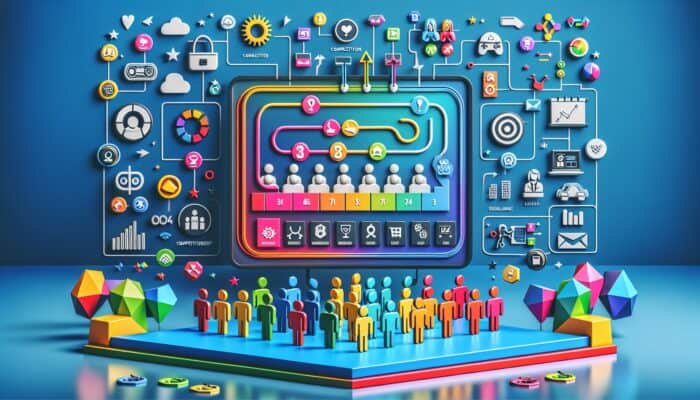
Promoting Hosting with Support Escalations: Key Tips

Promoting Hosting by The Marketing Tutor, Local specialists, Web designers, and SEO Experts
Supporting readers across the UK for over 30 years.
The Marketing Tutor provides expert guidance on promoting hosting services through structured support escalations, enhancing user satisfaction and loyalty via data-driven strategies.

Mastering the Fundamentals of Promoting Hosting Services Through Structured Support Escalations

Identifying the Elements of Successful Hosting Promotion Strategies

Promoting Hosting with Support Escalations: Multi-tiered support desks in a data center, agents handling cloud escalations, holographic displays of resolved queries and satisfied users, inspired by AWS.

Promoting Hosting with Support Escalations: Effectively promoting hosting services requires a comprehensive understanding of user expectations and the strategic use of well-structured support escalations. Key components include prompt responses to user inquiries and proactive strategies to resolve common challenges. For example, a cloud hosting provider could implement a multi-tiered support framework in which issues are escalated based on their complexity. This approach ensures that straightforward questions are addressed quickly, while intricate problems receive specialized attention. Such a method not only boosts user satisfaction but also lays the groundwork for lasting customer loyalty. Real-world examples, such as those from Amazon Web Services, show that streamlining support escalations can increase customer satisfaction and significantly reduce resolution times.

The success of these promotional strategies heavily relies on data-driven methodologies. Key metrics, including response times, resolution rates, and user feedback, play a crucial role in facilitating ongoing enhancements. Companies should leverage analytics to identify common user pain points and adapt their support protocols accordingly. This iterative refinement process helps develop promotional campaigns that resonate with individuals seeking reliable hosting solutions. By aligning promotional tactics with user support experiences, businesses can craft a seamless user journey that fosters brand loyalty and encourages positive word-of-mouth referrals, ultimately propelling growth.

Time to Listen In?

Ai Ninja Toolbox

Understanding the Importance of Support in Promoting Hosting Services

Support escalations are essential to promoting hosting services, as they cultivate trust and loyalty among users. When users encounter technical difficulties, their perception of the service is largely shaped by how effectively these issues are resolved. A robust support system that swiftly resolves problems can turn a negative experience into a positive one, prompting repeat engagements. For instance, a web hosting service that offers 24/7 live chat support can quickly assist customers experiencing downtime, alleviating frustration and reinforcing their commitment to the service.

In addition, proactive support initiatives can significantly bolster promotional efforts. Regular follow-ups, system health reports, and educational resources empower users to maximize their hosting capabilities. This proactive involvement not only addresses immediate concerns but also enables users to leverage their hosting services fully. By making users feel supported and valued, companies can foster loyalty and advocacy, turning satisfied customers into powerful promotional assets that drive both new user acquisition and retention.

Essential Elements for Successful Implementation of Support Escalation Strategies

Effectively implementing promotional strategies for hosting services requires several critical components that ensure the seamless integration of support escalations. First, establishing clear communication channels is vital. Users should have easy access to a variety of support options, such as live chat, email, or phone support, tailored to their preferences. Second, a clearly defined escalation protocol ensures inquiries are addressed efficiently, leading to faster resolutions and higher user satisfaction.

Another fundamental aspect is the training of support staff. Equipping team members with the skills to address a range of issues improves the overall quality of support, which can directly impact promotional success. Additionally, incorporating feedback mechanisms enables hosting providers to evaluate and refine their support processes consistently. Regularly collecting user feedback on support experiences can guide enhancements and ensure alignment with user expectations. Collectively, these components create an ecosystem where users feel heard, supported, and engaged, ultimately driving organic growth through positive experiences and referrals.

How Does the Process of Promoting Hosting with Support Escalations Work?

Agents promote web hosting in an office scene, with support escalations as a glowing ladder and climbing figures amid charts and huddles.

Steps to Seamlessly Integrate Support Mechanisms into Hosting Promotion

Integrating support mechanisms into hosting service promotion requires a systematic approach to enhance the overall user experience. Initially, companies should conduct a thorough analysis of their existing support structures to identify gaps and areas for improvement. This assessment enables organizations to develop a layered support framework in which escalations are clearly defined by issue complexity.

Following this, establishing clear protocols for issue resolution is crucial. For example, a multi-tiered support model can be adopted, in which frontline agents address basic inquiries while more complex issues are escalated to specialized teams. This structured approach ensures users receive prompt attention, significantly enhancing satisfaction and retention.

Moreover, incorporating technology, such as chatbots to handle initial queries, can streamline the support process. By automating responses to frequently asked questions, companies can allocate valuable human resources to tackle more complicated issues. Finally, consistent monitoring and evaluation of support interactions is necessary. By analyzing data, including resolution times and user feedback, organizations can fine-tune their support strategies and continually enhance the promotional impact of their hosting services, maintaining a competitive edge in the global market.

Identifying Common Challenges in the Promotion Process

Promoting hosting services through support escalations presents its own set of challenges. One of the most common obstacles is the risk of delayed responses, which can negatively affect user satisfaction and retention. When users experience long wait times for support, frustration can lead to negative perceptions of the hosting service, driving churn.

Inadequate training of support staff also poses a significant challenge, hindering effective escalation processes. If team members lack the skills to resolve complex issues, miscommunication and unresolved problems may arise. Organizations must prioritize ongoing training to equip their support teams with the expertise needed to address diverse user inquiries.

Another challenge involves maintaining integration across multiple support channels. Inconsistent messaging or the inability to track user interactions across different platforms can create confusion and lead to a fragmented support experience. To address this issue, companies should implement integrated support systems that provide a unified view of user interactions, enabling service continuity and more personalized support. By proactively addressing these challenges, organizations can enhance their promotional strategies and establish a more effective support ecosystem that boosts user engagement.

How to Measure the Effectiveness of Support Escalation Strategies

A diverse team in a modern office analyzes support metrics on digital screens, showing graphs of response times, resolution rates, and user satisfaction scores.

Evaluating the effectiveness of promotional strategies that incorporate support escalations is essential for fostering continuous improvement. Organizations should monitor key performance metrics, focusing on response times, resolution rates, and user satisfaction scores. These metrics provide valuable insights into how support escalations affect the overall user experience, helping refine promotional strategies.

For instance, analyzing average resolution times can reveal areas for improvement. If users frequently experience prolonged wait times, this may indicate a need for enhanced training or additional staffing during peak periods. Gathering user feedback through post-support interaction surveys is also crucial for assessing effectiveness. By directly asking users about their support experiences, businesses can identify trends and areas needing enhancement.

Implementing regular performance reviews and reporting structures allows organizations to maintain a clear view of their support effectiveness. These evaluations should encompass both quantitative and qualitative data to provide a comprehensive understanding of promotional impacts. By continuously refining strategies based on these insights, companies can bolster the effectiveness of support escalations, improving outcomes for hosting services and fostering long-term user loyalty.

Expert Perspectives on Promoting Hosting with Support Escalations

Best Practices Adopted by Industry Leaders

Leaders in the hosting industry highlight several best practices for effectively promoting hosting services through support-driven escalations. First, cultivating a culture of responsiveness is essential. Successful companies prioritize prompt response times, ensuring users feel valued when seeking assistance. For instance, top cloud providers often use metrics to hold support teams accountable for swift resolution, fostering a sense of urgency that resonates with users.

Another effective practice is to harness user data to personalize support experiences. By utilizing analytics tools to track user behavior, companies can anticipate potential issues and proactively engage users with tailored support. This personalized approach not only enhances user satisfaction but also reinforces the company’s commitment to delivering exceptional service.

Additionally, encouraging collaboration between marketing and support teams can amplify promotional efforts. When both departments work in unison, they can align their messaging and strategies to ensure that users receive consistent communication throughout their journey. This synergy enhances the overall user experience and builds trust, leading to increased brand loyalty. By adopting these best practices, hosting providers can establish a robust promotional framework that effectively integrates support escalations, maximizing both user engagement and satisfaction.

Advanced Techniques for Optimizing Support Escalation Strategies

To optimize the promotion of hosting services through support escalations, experts recommend several advanced techniques. One effective strategy is to prioritize high-impact issues during the support escalation process. By identifying the most critical pain points affecting user experience, companies can channel their resources toward resolving them promptly, ensuring a smoother hosting experience.

Furthermore, leveraging advanced analytics and AI-driven tools can significantly enhance support efficiency. Predictive analytics can anticipate challenges before they arise, enabling support teams to address user concerns proactively. For instance, if data indicates that users frequently encounter issues during certain time frames, support teams can allocate resources to tackle these peak times effectively.

Implementing self-service support options is an advanced technique that optimizes the user experience. By offering comprehensive knowledge bases and community forums, users can independently find solutions, thus reducing the volume of support inquiries. This not only boosts efficiency but also empowers users to resolve issues at their convenience. Collectively, these advanced techniques foster a more responsive and user-focused support environment, ultimately enhancing hosting promotion and encouraging sustained engagement.

Assessing Long-Term Impacts of Support Escalation Strategies

Evaluating the long-term impacts of integrating support escalations into hosting promotion strategies is essential for achieving sustained business growth. Research indicates that organizations maintaining robust support systems often experience lower churn rates and improved user retention. By consistently delivering exceptional support, companies can cultivate enduring relationships with users, fostering brand loyalty that translates into repeat business.

Additionally, integrating long-term support can improve operational efficiency. As businesses refine their processes based on user feedback and data analytics, they can streamline workflows and minimize unnecessary costs. This operational agility allows companies to allocate resources towards innovation and service improvements, keeping them competitive in the fast-paced digital landscape.

Moreover, a hosting provider’s reputation is heavily influenced by its support capabilities. Users are more likely to recommend services that prioritize their concerns and resolve issues effectively. Over time, this advocacy can lead to increased market share and a strengthened brand presence. By consistently evaluating the long-term impact of support escalations, hosting companies can ensure they remain agile, responsive, and well-positioned for continued success in an evolving market.

Case Studies Illustrating Support-Driven Hosting Promotions

Real-world case studies offer valuable insights into how support escalations can effectively drive hosting service adoption. For instance, consider a popular web hosting company that implemented a multi-tiered support strategy. By categorizing support requests based on urgency and complexity, they significantly reduced response times. Consequently, user satisfaction scores increased by more than 30%, leading to a notable rise in referrals and organic growth.

Another illustrative case involves a cloud service provider that introduced an AI-driven chatbot to manage basic inquiries. This innovation enabled human support agents to focus on more complex challenges, resulting in shorter overall resolution times. Within a year, the company reported a 25% reduction in support costs and a 20% increase in customer retention, showcasing the effectiveness of integrating advanced technology into support strategies.

Additionally, a dedicated effort to train support staff on escalation protocols yielded impressive results for a VPS hosting provider. By enhancing its team’s skills in handling escalated issues, the company saw a significant decline in user complaints about unresolved inquiries. This improvement not only bolstered user loyalty but also reinforced the company’s reputation as a reliable hosting provider, demonstrating that effective training translates into measurable promotional success.

Emerging Trends in Support Integration for Hosting Promotions

As the digital landscape continues to evolve, several emerging trends are shaping how support escalations are integrated into hosting promotions. One significant trend is the increasing adoption of AI and machine learning technologies. These tools are used to provide predictive support, anticipating potential user issues and resolving them before they escalate. Consequently, hosting providers can minimize disruptions and enhance overall user satisfaction.

Another trend is the growing emphasis on omnichannel support. Users now expect seamless interactions across various platforms, whether through chat, email, or social media. Hosting companies that implement integrated support systems can deliver a cohesive experience, ensuring users receive consistent assistance across all communication channels.

Moreover, the focus on user education is gaining traction. Hosting providers are increasingly offering webinars, tutorials, and comprehensive knowledge bases to empower users with the information they need to navigate potential challenges. This proactive approach not only reduces the volume of support inquiries but also boosts user confidence and loyalty.

These trends signify a shift towards more advanced, user-centric support models in the hosting industry. By staying ahead of these developments, hosting providers can leverage innovations to optimize their promotional strategies, ensuring sustained growth and engagement in a competitive digital environment.

What Are the Key Benefits of Promoting Hosting Services with Support Escalations?

Enhancing User Satisfaction Through Effective Support Escalation

Promoting hosting services through effective support escalations significantly enhances user satisfaction levels. Quick, efficient resolutions to technical challenges build user confidence and ensure their needs are prioritized. When users receive prompt responses to their inquiries, their overall satisfaction with the hosting service increases, leading to positive word-of-mouth recommendations across diverse audiences.

Furthermore, personalized support experiences contribute to heightened user satisfaction. By tailoring support interactions to meet individual user needs, hosting providers create a more engaging experience that resonates with users. For example, recognizing recurring issues and proactively addressing them can demonstrate a commitment to user success and further solidify relationships. Ultimately, these positive interactions strengthen the brand image and foster ongoing loyalty, resulting in a robust community of advocates for the hosting service.

How Support Escalations Drive Business Growth

Promoting hosting services through support escalations is crucial to driving business growth. By leveraging effective support systems, companies can transform satisfied users into brand advocates. When users receive exceptional support, they are more likely to share their experiences with others, thereby amplifying the hosting service’s visibility. This organic promotion leads to increased user acquisition and contributes to a growing customer base.

Additionally, enhanced support experiences encourage repeat engagements. Users who feel supported are more inclined to explore additional services or upgrade their existing plans. This not only boosts revenue but also strengthens user relationships, as customers become more invested in the hosting service that effectively addresses their needs. By prioritizing support escalations in their promotional strategies, hosting providers can create a self-sustaining growth cycle fueled by improved user satisfaction and advocacy.

Identifying Potential Cost Savings Through Support Escalations

Promoting hosting with efficient support escalations can lead to substantial cost savings for organizations. By minimizing the frequency of escalations through effective first-contact resolutions, companies can reduce the resources allocated to complex support inquiries. Investing in comprehensive training for support staff to equip them with the skills to address common issues can reduce escalations and lower operational costs.

Moreover, implementing automated support solutions, such as chatbots, can further streamline operations. By efficiently handling routine inquiries, these tools free up human resources to focus on more complex issues, enhancing overall support efficiency. This not only reduces costs but also improves response times, thereby increasing user satisfaction.

In the long run, these cost savings can be reinvested in innovation and service improvements, helping hosting providers maintain a competitive edge. By prioritizing support escalations, organizations can establish a more sustainable business model that balances quality service delivery with operational efficiency.

Research-Backed Advantages of Promoting Hosting with Support Escalations

Insights from Case Studies Demonstrating Effectiveness

Research substantiates the value of integrating support escalations into hosting service promotion, demonstrating tangible improvements in user retention and service quality. Numerous case studies show that organizations that prioritize effective support mechanisms experience significant increases in customer loyalty and satisfaction. For example, a major web hosting provider that revamped its support escalation process reported a 40% increase in user retention within a year, demonstrating the direct impact of enhanced support on customer retention.

Additionally, evidence indicates that companies adopting multi-tiered support systems enjoy lower churn rates. This is particularly evident in the SaaS sector, where businesses offering robust support frameworks often outperform competitors in user retention. By delivering timely resolutions and personalized support experiences, organizations not only foster loyalty but also position themselves as authorities in their respective markets.

These findings emphasize the importance of investing in support escalations as a core component of promotional strategies. By prioritizing user needs and ensuring effective issue resolution, hosting providers can cultivate long-lasting relationships that yield sustainable growth and success.

Essential Metrics for Monitoring Success in Support Escalation Strategies

Monitoring key metrics is crucial for evaluating the success of promotional strategies involving support escalations. Organizations should focus on several critical indicators, such as response times, resolution rates, and user satisfaction scores. Tracking these metrics enables companies to identify trends and areas for improvement, ensuring that support processes remain effective and aligned with user expectations.

For example, maintaining a low average response time is vital for enhancing user satisfaction. If response times begin to trend upward, it may indicate the need for additional resources or improved training for support staff. Similarly, monitoring resolution rates can provide insights into the effectiveness of escalation protocols. A decrease in resolution rates may signal that complex issues are not being handled efficiently and require further attention.

Collecting user feedback through surveys post-support interactions is another invaluable metric. By gauging user satisfaction, organizations can gain insights into the effectiveness of their support and identify specific areas for improvement. Implementing regular performance reviews based on these metrics enables organizations to refine their promotional strategies and ensure ongoing improvements in support escalations, ultimately driving better outcomes for hosting services.

Factors Contributing to Long-Term Sustainability in Support Integration

Long-term sustainability factors are vital for maintaining effective support integration within hosting promotions. Research suggests that ongoing support efforts contribute to reduced churn rates and improved efficiency over time. By consistently prioritizing user needs and integrating feedback mechanisms, organizations can establish a resilient support ecosystem that adapts to changing user demands.

A critical factor for sustainability is investing in training and development for support teams. By equipping staff with the skills needed to handle diverse inquiries, hosting providers can ensure their support systems remain effective. Regular training sessions and performance evaluations promote a culture of continuous improvement, which is essential for upholding high service standards.

Additionally, leveraging user data to inform support strategies is essential for long-term success. By analyzing trends and user behavior, organizations can proactively identify potential issues and enhance their support offerings. This data-driven approach not only improves service quality but also positions hosting providers as industry leaders. By focusing on long-term sustainability through effective support integration, organizations can ensure ongoing growth and success in a competitive landscape.

Why Is Promoting Hosting with Support Escalations the Right Choice?

Key Reasons to Adopt This Strategic Approach

Embracing a strategy of promoting hosting through support escalations offers numerous key advantages. Firstly, it establishes a robust framework for addressing user support needs during promotional efforts. By prioritizing effective issue resolution, hosting providers can create a more reliable user experience that fosters engagement and loyalty.

Moreover, integrating support escalations enables organizations to respond swiftly to user inquiries, minimizing potential disruptions. This agility in customer support enhances overall satisfaction and strengthens the brand image. When users feel that their concerns are acknowledged and addressed promptly, they are more likely to recommend the hosting service to others, organically boosting visibility and market penetration.

Furthermore, effective support systems contribute to long-term business resilience. By building trust through consistent support, companies can forge lasting relationships with users that extend beyond individual transactions. This loyalty is invaluable in an increasingly competitive landscape, where user satisfaction is a critical driver of sustained growth and success.

Comparative Analysis of Promotional Alternatives

When comparing traditional promotional methods with those that incorporate support escalations, several advantages become apparent. Traditional approaches often focus solely on marketing campaigns, overlooking the crucial role support plays in enhancing the user experience. In contrast, integrating support escalations into promotional strategies ensures a comprehensive approach that addresses user needs from the outset.

A notable benefit of this method is the faster resolution of issues. Support escalations enable swift responses to user inquiries, mitigating the frustration often associated with slow customer service. This stands in stark contrast to traditional methods, which may lack the agility necessary to address user concerns effectively.

Additionally, promoting hosting services with integrated support escalations improves performance metrics. Companies that prioritize effective support are more likely to achieve higher user retention rates and stronger brand advocacy, ultimately outperforming those relying solely on traditional promotional tactics. By recognizing the importance of support in the promotional landscape, hosting providers can adopt a more holistic approach to drive sustained growth.

Positive Outcomes from Effective Promotional Choices

Selecting a strategy that promotes hosting through support escalations yields numerous positive outcomes. One of the most significant advantages is enhanced user engagement. When users receive timely and effective support, they are more likely to interact with the hosting service regularly, leading to increased usage and loyalty.

Moreover, this approach fosters a cohesive ecosystem for hosting services. By integrating support into promotional efforts, companies can create a seamless experience where users feel valued and prioritized. This environment encourages positive interactions and empowers users to maximize their hosting services, ultimately enhancing overall satisfaction.

Furthermore, effective promotional strategies that incorporate support escalations improve brand reputation. As users share their positive experiences, organizations benefit from organic growth driven by referrals and recommendations. This word-of-mouth marketing can significantly amplify visibility and market reach, positioning hosting providers as trusted industry leaders. By making effective choices that prioritize support escalations, organizations can secure enduring success and growth in the competitive hosting landscape.

Best Practices for Successful Integration of Support Escalations

Integrating support escalations into promotional strategies for hosting services requires adherence to best practices that maximize efficiency and effectiveness. Firstly, establishing clear escalation paths is essential. This involves defining the levels of support available and ensuring that users know who to contact for specific issues. Transparency in support processes fosters user trust and encourages engagement.

Another best practice is providing comprehensive training for support staff. Equipping team members with the skills needed to handle a range of inquiries and escalations can significantly enhance service quality. Regular workshops and simulations can help maintain high standards and improve overall effectiveness.

Incorporating monitoring tools is also crucial in this integration process. By tracking user interactions and feedback, organizations can identify trends and areas for improvement within their support systems. This data-driven approach allows for continuous refinement of strategies, ensuring that both support and promotional efforts remain aligned with user expectations.

Lastly, fostering a culture of collaboration between marketing and support teams is vital. When these departments work together, they can create unified messaging that resonates with users and reinforces the value of the hosting service. By following these best practices, organizations can effectively integrate support escalations into their promotional strategies, leading to enhanced user experiences and sustained business growth.

Implementing Effective Strategies for Promoting Hosting with Support Escalations

Phases of Initial Setup and Planning for Integration

The initial setup and planning phases for integrating support escalations into hosting promotion strategies are critical to achieving long-term success. To start effectively, organizations should conduct a comprehensive assessment of their current support systems. This analysis will identify existing gaps and opportunities for improvement, laying the groundwork for a more robust support framework.

A key benefit of this phase is establishing a clear roadmap for integration. By outlining specific goals and objectives, companies can align their resources accordingly to ensure a smooth rollout of support escalations. Crucial steps include defining support tiers, establishing escalation protocols, and identifying key performance metrics to monitor success.

Moreover, organizations should prioritize stakeholder engagement during this phase. Involving team members from both support and marketing departments fosters collaboration and ensures that all aspects of the integration process are considered. By creating a cohesive strategy that emphasizes the importance of support in promotional efforts, companies can enhance their overall user experience and drive growth.

  • Improved user satisfaction through timely issue resolution.
  • Enhanced brand loyalty driven by effective support experiences.
  • Streamlined operations that reduce response times and operational costs.
  • Increased user retention and advocacy through personalized interactions.

Requirements for Ongoing Maintenance of Support Systems

Ongoing maintenance of support systems is vital for effectively promoting hosting services. Regular updates and evaluations ensure that support escalations keep pace with evolving user needs and industry standards. Organizations should establish a routine for conducting thorough reviews of their support processes to identify areas requiring enhancement.

Furthermore, continuous training for support staff is essential for maintaining high service standards. Regular workshops and skills assessments ensure that team members are equipped to handle diverse inquiries and escalations effectively. This commitment to staff development not only boosts morale but also enhances the overall user experience.

Additionally, organizations should leverage user feedback as part of their ongoing maintenance efforts. Gathering user insights into their support experiences can inform necessary adjustments to support protocols. By implementing changes based on user input, companies can continuously improve their support systems, ensuring they remain relevant and effective in promoting hosting services.

Adapting Support Strategies to Changing User Needs

Adapting to changing needs is crucial for the ongoing success of promoting hosting services through support escalations. Organizations must remain agile, adjusting their promotional tactics based on feedback and trends in user behavior. This adaptability ensures that support systems stay aligned with user expectations and industry standards.

One effective strategy for adaptation is to analyze support metrics regularly. By monitoring key performance indicators, companies can identify shifts in user needs and adjust their support offerings accordingly. For instance, if data shows an increase in inquiries about a specific feature, organizations can proactively provide resources or training to address these issues.

Additionally, fostering a culture of innovation within support teams can encourage creative solutions to emerging challenges. When team members are empowered to propose new ideas or improvements, organizations can stay ahead of the curve in addressing user concerns. This proactive approach not only enhances user satisfaction but also positions the hosting provider as an industry leader, capable of adapting to rapid change.

Training and Development Initiatives for Support Teams

Training and development programs for support teams are essential for promoting hosting services through effective escalations. Designing targeted training initiatives ensures staff are equipped with the skills to handle diverse user inquiries and complex issues. This investment in human capital ultimately improves support quality, enhancing the overall user experience.

Workshops, simulations, and role-playing exercises effectively prepare support staff for real-world scenarios. By providing opportunities for hands-on practice and feedback, organizations can build team members’ confidence, enabling them to navigate challenging interactions with ease. Regular performance tracking also informs ongoing development, helping to identify areas where further training may be required.

Moreover, incorporating customer service best practices into training programs fosters a culture of empathy and understanding within support teams. When staff members are trained to prioritize user needs and communicate effectively, they can create positive interactions that resonate with customers. By investing in comprehensive training and development, organizations can ensure their support teams are well prepared to drive promotional success through effective escalations.

Establishing Performance Evaluation and Feedback Loops

Establishing performance evaluation and feedback loops is crucial for assessing the success of promotional strategies involving support escalations. Organizations should conduct regular performance reviews that analyze key metrics, including response times, resolution rates, and user satisfaction scores. By tracking these indicators, businesses can gain insights into the effectiveness of their support systems and identify areas for improvement.

Additionally, gathering user feedback through surveys and follow-up interactions helps organizations better understand users’ perceptions of support experiences. This feedback is a valuable resource for refining promotional strategies and ensuring support escalations remain aligned with user needs.

Creating a culture of continuous improvement is crucial for sustaining success. By regularly evaluating performance and incorporating feedback into strategy development, organizations can foster an agile support environment that adapts to changing user demands. This commitment to enhancement not only ensures ongoing effectiveness but also positions hosting providers as responsive and user-centric in the competitive market.

Future Trends in Promoting Hosting with Support Escalations

Innovative Technologies to Monitor

Emerging technologies are poised to revolutionize how support escalations enhance the promotion of hosting services. One notable innovation is the application of artificial intelligence (AI) and machine learning. These technologies enable hosting providers to harness predictive analytics to anticipate user issues before they arise. By proactively addressing potential concerns, organizations can minimize disruptions and enhance overall user satisfaction.

Additionally, automation tools are becoming increasingly prevalent in support systems. Chatbots and automated ticketing systems streamline the handling of user inquiries, ensuring basic issues are resolved quickly. This efficiency allows human support agents to focus on more complex challenges, improving resolution times and reducing operational costs.

Furthermore, advancements in data analytics are transforming how organizations gather insights from user interactions. By utilizing sophisticated analytics tools, hosting providers can identify trends and patterns in user behavior, informing their promotional strategies and support protocols. These insights empower organizations to adapt their offerings based on real-time feedback, ensuring they remain competitive and responsive in an ever-evolving digital landscape.

Shifting User Expectations in the Digital Space

User expectations are evolving rapidly, significantly influencing promotional strategies for hosting services. Modern users increasingly demand seamless support experiences and expect quick resolutions to their inquiries. As a result, hosting providers must prioritize efficient support escalations to meet these heightened expectations.

Moreover, users today value personalized interactions. They want support teams to understand their unique needs and provide tailored solutions. Hosting companies that leverage data analytics to inform their support strategies can create more meaningful connections with users, fostering loyalty and advocacy.

Additionally, the rise of social media has transformed how users engage with support teams. Users now expect responsiveness across various platforms, making it essential for hosting providers to maintain an omnichannel approach. This adaptability ensures users receive consistent support across all communication channels, enhancing overall satisfaction and promoting positive brand perception.

Embracing Predictive Approaches for Future Success

Anticipating future trends in support integration can significantly elevate hosting promotion strategies. By adopting predictive approaches, organizations can proactively address potential issues before they impact user experiences. Implementing AI-driven tools that analyze historical data allows hosting providers to identify patterns and anticipate user needs.

For example, organizations can utilize predictive analytics to forecast peak usage times and allocate resources accordingly. This foresight enables support teams to prepare for increased inquiries, ensuring users receive timely assistance during high-demand periods. Additionally, predictive models can help identify potential churn risks, enabling organizations to proactively engage at-risk users and address their concerns before they consider leaving.

Furthermore, fostering a culture of innovation within support teams encourages creative problem-solving and adaptability. By empowering team members to propose new strategies and solutions, organizations can remain agile in responding to evolving user needs. Embracing predictive approaches not only enhances support integration but also positions hosting providers as industry leaders, capable of delivering exceptional user experiences in an evolving digital landscape.

Frequently Asked Questions (FAQs)

What are support escalations in hosting services?

Support escalations are the structured process of addressing user inquiries by complexity, ensuring timely and effective resolution to enhance user satisfaction.

How do support escalations improve user satisfaction?

By providing quick, effective resolutions to user inquiries, support escalations foster confidence and trust, leading to higher satisfaction and positive word-of-mouth referrals.

What metrics should organizations track for support escalation effectiveness?

Organizations should monitor key metrics, including response times, resolution rates, and user satisfaction scores, to evaluate the effectiveness of their support escalation processes.

How can companies tailor their support strategies to user needs?

By leveraging data analytics to track user behavior and feedback, companies can identify trends and adjust their support strategies accordingly, ensuring alignment with user expectations.

What role does training play in support escalations?

Training equips support staff with the skills needed to handle diverse inquiries effectively, improving service quality and facilitating successful support escalations.

What are the benefits of integrating AI into support escalations?

Integrating AI into support escalations enables predictive analytics, allowing organizations to anticipate user issues and address them proactively, enhancing overall satisfaction.

How do support escalations contribute to business growth?

Support escalations drive business growth by turning satisfied users into advocates, increasing visibility through positive referrals, and encouraging repeat engagements.

What challenges might arise during the implementation of support escalations?

Challenges such as delayed responses, inadequate training, and integration across multiple support channels may arise, necessitating ongoing evaluation and adaptation of support strategies.

Why is user feedback important for support escalations?

User feedback provides valuable insights into support experiences, enabling organizations to identify areas for improvement and refine their support strategies for better outcomes.

How can organizations ensure the sustainability of their support systems?

Organizations can ensure sustainability by investing in regular training, leveraging user data for insights, and fostering a culture of continuous improvement within support teams.

Discover our world on X today!

The Article Promoting Hosting with Support Escalations: Key Tips was first published on https://marketing-tutor.com

The post Promoting Hosting with Support Escalations: Key Tips first appeared on termspec.

Using Gamification to Increase Hosting Loyalty

Unlocking the Power of Gamification in Hosting Services

What Is Gamification and How Does It Work?

A colorful digital interface with game elements like progress bars, badges, and leaderboards on a hosting platform.

Gamification is the strategic incorporation of game design elements into non-game contexts, aimed at enhancing user engagement and motivation to achieve specific goals. In the competitive landscape of hosting services, this innovative approach can revitalize routine tasks, transforming them into captivating experiences that foster user loyalty and active participation. By integrating gamification, hosting platforms can craft interactive environments that inspire users to return and engage repeatedly with their offerings. Key gamification elements commonly utilized in hosting include:

  • Points systems that reward users for their activities
  • Badges or achievements for accomplishing particular tasks
  • leaderboards to stimulate competition among users
  • Quests or challenges designed to encourage ongoing engagement
  • Progress bars that visually represent completion status
  • Social sharing features that promote user interaction
  • Incentives for referrals or inviting friends
  • Feedback mechanisms that recognize and acknowledge user efforts

By leveraging these engaging elements, hosting providers can create a rich user experience that not only captivates users but also fosters long-term loyalty and sustained engagement.

Why Should Hosting Services Embrace Gamification?

The integration of gamification into hosting services can dramatically enhance user engagement levels. By transforming interactions into dynamic and rewarding experiences, users are more inclined to immerse themselves deeply within the platform. Gamification turns ordinary tasks into exciting challenges, driving users to explore features they may have otherwise neglected. This approach results in increased participation, as users return repeatedly for the thrill of new rewards and challenges. Moreover, gamification fosters a vibrant sense of community among users, which further strengthens loyalty. Engaged users often share their experiences, leading to organic promotion of the platform and attracting new users, thereby amplifying the positive impact of gamification.

Understanding the Key Principles for Effective Gamification

To create a powerful gamification strategy, it is essential to grasp user motivations, establish clear objectives, and provide timely feedback. By understanding what drives users—be it a sense of competition, the desire for achievement, or social interaction—hosting platforms can customize their gamification strategies to resonate effectively with their target audience. Clearly defined goals provide users with a roadmap to follow, guiding them through their interactions with the service. Furthermore, immediate feedback reinforces desired user behaviors, creating a continuous engagement loop. By employing these fundamental principles, hosting providers can design a rewarding user experience that cultivates commitment and enhances overall satisfaction.

Insights from Experts on Leveraging Gamification for Enhanced Hosting Loyalty

A vibrant digital interface with a leaderboard, rewards, and hosts in playful competitions, enhancing loyalty through gamification.

What Makes Gamification Highly Effective in Hosting?

For gamification to be effective in hosting, it is crucial to establish a robust system that acknowledges and rewards user engagement. By aligning the gamification strategy with user objectives, platforms can offer meaningful incentives that resonate deeply with users. Successful platforms often implement tiered loyalty programs where users earn points for various actions, such as logging in daily or referring friends. A prime example is a hosting platform that introduced a points system, enabling users to accumulate rewards for completing tasks. This not only heightened user engagement but also solidified their loyalty, resulting in a remarkable 25% increase in retention rates within six months. Such success stories underscore that when users feel valued and rewarded, their connection to the hosting service strengthens significantly over time.

How Can Hosts Design an Effective Gamification Strategy?

Designing a successful gamification strategy for hosting requires a series of careful steps. First and foremost, understanding the target audience is essential—hosts must identify their users’ preferences, behaviors, and motivations. Next, setting clearly defined objectives is critical, focusing on the specific goals the gamification initiative aims to achieve, such as improving user retention or increasing interaction rates. Selecting appropriate game mechanics, including challenges or reward systems, should align with these objectives. It is also vital to continually test and iterate the strategy based on user feedback to ensure it evolves to meet their changing needs. By remaining flexible and responsive, hosts can create a gamification experience that truly engages users and fosters lasting loyalty.

What Best Practices Should Be Followed for Implementing Gamification?

User interacting with gamification elements on a digital platform, with analytics graphs in background.

Implementing gamification effectively requires adherence to best practices that optimize user experience while fulfilling business goals. Starting small is crucial; launching a few initial gamification elements allows for easier management and assessment of user responses. Continuously measuring the impact of these elements helps in understanding what resonates with users, enabling data-driven decisions for adjustments. Regularly refining gamification components keeps the experience fresh and engaging, preventing stagnation. Aligning gamification with the overall user experience is essential to ensure it enhances rather than complicates interactions. Finally, ensuring that rewards are meaningful and relevant will maximize user motivation and loyalty, creating a more compelling platform.

Exploring the Benefits of Gamification for Hosting Providers

Boosting User Engagement Through Gamification

Gamification significantly elevates user engagement by turning the hosting experience into an interactive and enjoyable journey. By incorporating challenges and rewards, users find pleasure in exploring various features and services offered by the platform. This increased engagement leads to users returning more frequently, motivated by the prospect of earning rewards and completing tasks. An engaging hosting environment fosters deeper connections between users, enhancing overall participation levels. As users explore the platform, they are more likely to discover additional features or services, enriching their overall experience and promoting long-term interaction. This sustained engagement ultimately cultivates a thriving community of users who are passionate about the platform.

How Gamification Enhances User Loyalty

Gamification can cultivate a profound sense of loyalty among users by rewarding their actions and dedication to the hosting service. When users feel valued for their contributions—through points, badges, or recognition—they develop a stronger emotional connection to the platform. This bond encourages them to prioritize the hosting service over competitors. Platforms that successfully integrate gamification strategies often find that users remain loyal for extended periods, transforming them from mere customers into enthusiastic advocates of the platform. This enhanced loyalty not only results in a stable user base but also generates advocates who share their positive experiences with others, driving organic growth and attracting new users to the service.

Improving User Retention Rates Through Gamification

User retention is crucial for the success of any hosting service, and gamification serves as a powerful tool for enhancing retention rates. By offering continuous incentives and challenges, gamification keeps users engaged over time, reducing the likelihood of drop-offs. Users who are rewarded for their ongoing interactions are less inclined to seek alternatives. For instance, hosting platforms that introduce seasonal challenges or limited-time rewards create an environment that encourages users to return frequently to stay competitive and earn rewards. This consistent engagement fosters familiarity with the platform, further solidifying user commitment. As a result, hosting providers can anticipate higher retention rates, leading to increased stability and profitability in their services.

Inspiring Motivation Among Hosts Through Gamification

Gamification not only benefits users but can also significantly enhance host motivation. By incorporating recognition and reward systems for hosts, platforms create an attractive and rewarding environment for those managing the service. When hosts receive accolades for their interactions—whether through user ratings or performance metrics—they feel more valued and are likely to invest greater effort into their hosting roles. This heightened motivation leads to improved service quality, as dedicated hosts actively seek to enhance user experiences. By making the hosting role more rewarding and enjoyable, gamification fosters a positive feedback loop that benefits both hosts and users, creating a thriving ecosystem.

Building Stronger Communities Through Gamification

Gamification promotes social interactions and friendly competition, playing a pivotal role in establishing vibrant communities among hosts and users alike. By integrating features such as leaderboards or collaborative challenges, users are motivated to engage with one another, cultivating a sense of belonging. These social connections not only enrich the hosting experience but also open avenues for collaboration and support within the user base. As community bonds strengthen, users are more inclined to share knowledge and resources, enhancing the overall hosting ecosystem. This collaborative spirit nurtures loyalty and drives user engagement, resulting in a more robust and thriving community of hosts and users.

Understanding How Gamification Influences Host Performance

What Key Metrics Should Hosts Monitor?

Monitoring the right metrics is crucial for understanding the effectiveness of gamification and its impact on host performance. Important metrics to track include user engagement rates, which reveal how often and how deeply users interact with the platform after gamification elements are introduced. Additionally, participation in loyalty programs is a critical metric that indicates how many users are actively involved in the gamification initiatives. Retention rates also provide valuable insights into how successful the gamification strategy is in retaining users over time. By evaluating these metrics, hosts can gain essential insights into user behavior, allowing them to optimize their strategies for improved outcomes.

Can Gamification Enhance Host Ratings?

Gamification has the potential to significantly improve host ratings by encouraging users to engage more with the platform, leading to positive interactions and enhanced overall satisfaction. When users receive rewards for their engagement, they are more likely to leave favorable feedback and ratings. For example, a hosting platform that gamifies the review process by rewarding users for providing detailed feedback often experiences an uptick in positive host ratings. This not only enhances the credibility of the hosting service but also creates a welcoming atmosphere for new users. A positive feedback loop emerges, where favorable ratings attract more users, further enriching the community and boosting engagement.

Does Gamification Have an Impact on Host Earnings?

Gamification can indirectly influence host earnings by enhancing user engagement and loyalty, which typically leads to increased bookings and revenue. When users feel a connection to the hosting service through gamified experiences, they are more likely to return and engage in services repeatedly. This returning patronage translates into more consistent earnings for hosts. For example, a hosting platform that employs gamification to offer rewards for frequent bookings can witness a substantial increase in revenue over time. Moreover, as users become more engaged and satisfied, they are likely to recommend the service, drawing in new users and further boosting earnings and profitability.

Identifying Challenges and Solutions in Gamification Implementation

What Common Challenges Do Hosts Face with Gamification?

Implementing gamification presents several challenges. One of the most significant obstacles is user disengagement, which can arise if gamification elements lack relevance or fail to provide adequate rewards. Over-complicating the gamification system can confuse users, leading to frustration and disengagement. Additionally, if gamification strategies do not align with overall business goals, they may not yield the desired results. Recognizing these common challenges is vital for effective implementation, as it empowers hosts to proactively address potential issues before they disrupt the gamification experience.

How Can Hosts Overcome User Disengagement?

To combat user disengagement, hosts should prioritize the relevance of gamification elements and align them with user interests. Regularly updating challenges and introducing fresh content can keep users intrigued and motivated to engage with the platform. Additionally, offering a variety of rewards can ensure that users remain stimulated, catering to diverse preferences within the user base. Engaging users through surveys or feedback mechanisms can help gather insights into their interests, enabling hosts to tailor their gamification strategies to better meet user needs. By maintaining a user-centric approach, hosts can foster ongoing engagement and loyalty among users.

What Strategies Can Simplify Gamification for Users?

Simplifying gamification is essential for maximizing user engagement. This involves honing in on core elements that drive participation, such as straightforward point systems or easily understandable rewards. Avoiding unnecessary complexity is key; users should be able to grasp how to engage with gamification features without feeling overwhelmed. Clear communication of rules and rewards can enhance user comprehension. Furthermore, designing user-friendly interfaces facilitates seamless interactions, allowing users to navigate gamification elements effortlessly. By streamlining the gamification experience, hosts can ensure that users remain engaged, motivated, and eager to participate.

Research-Backed Insights on Gamification for Increasing Hosting Loyalty

What Do Studies Reveal About Gamification?

Research shows that gamification can significantly boost user engagement and loyalty within hosting services. Well-designed gamification systems have been linked to improved user retention and satisfaction levels. Studies indicate that users who interact with gamified elements are more likely to remain active and engaged with the platform over time. Actionable steps for hosts to implement research-backed gamification strategies include creating clear reward pathways, consistently updating challenges, and leveraging social interactions among users. By integrating these principles, hosts can develop effective gamification strategies that resonate with users and cultivate enduring loyalty.

How Does Gamification Shape User Behavior?

Gamification influences user behavior by utilizing psychological principles such as reward systems and competition. By offering tangible benefits for engagement—whether through points, badges, or leaderboards—users are encouraged to participate more frequently with the platform. This competitive atmosphere can motivate users to strive for improvement and deeper involvement, fostering loyalty over time. Moreover, the social aspect of gamification, where users can track their progress relative to others, enhances motivation and engagement. As a result, users become more invested in the platform, creating a thriving community that benefits both users and hosts.

What Long-Term Advantages Does Gamification Offer?

The long-term benefits of gamification include sustained user engagement, heightened loyalty, and improved retention rates. A well-executed gamification strategy creates a positive feedback loop, where engaged users remain loyal and continue to participate actively. Over time, this consistent interaction fosters a strong sense of community among users, enriching the overall hosting experience. Sustained engagement not only benefits users but also contributes to a robust platform reputation, attracting new users and driving growth. As user loyalty solidifies, hosts can anticipate increased profitability and stability within their services.

How Can Hosts Measure the Effectiveness of Gamification?

Measuring the success of gamification involves tracking essential metrics such as user engagement rates, retention statistics, and feedback surveys. These metrics provide a comprehensive view of user loyalty and satisfaction levels. By analyzing participation in gamification initiatives, hosts can ascertain which elements resonate most with users and make informed adjustments to enhance the experience. Gathering user feedback through surveys or direct interactions can yield qualitative insights into the effectiveness of gamification strategies. This data-driven approach enables hosts to continually refine their offerings, ensuring they align with user needs and expectations.

What Are the Best Practices for Implementing Gamification in Hosting?

Best practices for implementing gamification in hosting encompass aligning gamification strategies with host goals, ensuring user-friendly designs, and regularly updating challenges to maintain user interest. Creating meaningful rewards that resonate with users will enhance engagement and loyalty. Furthermore, monitoring performance metrics and user feedback will help hosts identify areas for improvement and optimize their strategies. Fostering community by encouraging social interactions among users can further enrich the gamification experience. By adhering to these best practices, hosts can develop an engaging and effective gamification system that boosts user loyalty and satisfaction.

Examining Successful Gamification Case Studies in Hosting

What Defines a Successful Case Study in Gamification?

A successful case study in gamification illustrates clear results, such as increased user engagement and improved loyalty. It should detail the specific strategies implemented, the metrics analyzed, and the outcomes achieved. A strong case study provides in-depth insights into how the gamification elements aligned with user needs and business objectives, showcasing the effectiveness of the initiatives. Expert analysis identifies the critical components that contributed to success, such as user-centric design, continuous improvements based on feedback, and strategic alignment with overarching goals. These insights can serve as a roadmap for other hosts aspiring to implement gamification effectively.

Examples of Successful Gamification Strategies in Hosting

Successful gamification strategies in hosting often incorporate systems that recognize and reward user achievements. For instance, platforms that employ points systems allow users to earn rewards for various actions, such as completing tasks or engaging with community features. Leaderboards can introduce a competitive edge, motivating users to strive for higher rankings. Collaborative challenges that encourage teamwork among users can foster a sense of community while maintaining high engagement levels. These strategies should be tailored specifically to the hosting context, ensuring they resonate with users and enhance their overall experience. By implementing such strategies, hosts can create meaningful interactions that drive user loyalty.

Key Lessons Learned from Gamification Case Studies

Lessons learned from successful gamification case studies emphasize the importance of user-centered design and continuous improvement. Ensuring that gamification elements are relevant to users significantly enhances engagement. Additionally, aligning gamification strategies with business goals is crucial for achieving desired outcomes. Regularly updating gamification features based on user feedback keeps the experience fresh and engaging, preventing stagnation. These insights guide future gamification efforts, underscoring the need for flexibility and responsiveness to user needs. By adopting these lessons, hosts can refine their gamification strategies, achieving greater success in fostering user loyalty and engagement.

Anticipating Future Trends in Gamification for Hosting

What Are the Emerging Trends in Gamification?

Emerging trends in gamification focus on enhancing user experiences through personalization and advanced technology. Personalized gamification strategies tailor experiences to individual user preferences, making interactions more relevant and engaging. Additionally, the integration of AI can provide dynamic feedback and adapt challenges based on user behavior, creating a more immersive experience. Technologies like augmented reality (AR) offer innovative ways to engage users, allowing for interactions that blend the digital and physical realms. These trends aim to elevate user engagement and loyalty through sophisticated and tailored gamification experiences that resonate with a diverse audience.

How Will Technological Advancements Shape Gamification?

Technology will play a pivotal role in shaping the future of gamification by enabling more sophisticated and personalized experiences. Advancements in AI and machine learning allow hosting platforms to analyze user behavior and adapt gamification elements accordingly, providing tailored challenges and rewards. This level of personalization can drive engagement and loyalty to unprecedented heights. Moreover, augmented reality (AR) and virtual reality (VR) can create immersive gamification experiences that captivate users and foster deeper connections. As technology continues to evolve, hosting providers will have opportunities to craft engaging and effective gamification strategies that resonate with a broad audience, enhancing overall user satisfaction.

What Potential Impacts Can These Trends Have?

The potential impacts of emerging gamification trends include heightened user engagement, increased loyalty, and improved user satisfaction levels. As hosting platforms adopt personalized and technologically advanced gamification strategies, users will derive more value from their interactions, promoting long-term commitment. The integration of immersive experiences can revolutionize how users perceive and engage with hosting services, leading to a more vibrant and connected community. Furthermore, these trends are likely to attract new users who are drawn to innovative and engaging platforms, driving growth and expanding the reach of the hosting service.

Next Steps for Hosts in Implementing Gamification

How Can Hosts Initiate Gamification Implementation?

Hosts can start implementing gamification by identifying key areas where user engagement and loyalty can be enhanced. Developing a clear strategy requires understanding user motivations and defining specific goals for the gamification initiative. Launching a pilot program with a small user group allows for testing and gathering feedback before a full-scale rollout. This iterative approach ensures that the gamification elements resonate with users and provide meaningful rewards. By taking these initial steps, hosts can establish the foundation for a successful gamification strategy that effectively enhances user experiences and drives loyalty.

What Are the Essential Takeaways for Hosting Providers?

Key takeaways for hosting providers include the critical importance of fostering user engagement and loyalty through well-designed gamification strategies. Understanding user motivations and preferences is essential for creating relevant and impactful experiences. Additionally, continuous measurement and refinement of gamification elements are necessary to ensure they align with both user needs and business goals. By prioritizing user-centered design and remaining adaptable, hosts can cultivate lasting loyalty and drive growth through effective gamification strategies that resonate with their audience.

What Should Be the Next Steps for Enhancing Hosting Loyalty?

Next steps for enhancing hosting loyalty involve ongoing monitoring and optimization of gamification elements. Gathering user feedback will yield valuable insights that can guide improvements and adjustments. Hosts should stay up-to-date with emerging trends and best practices in gamification to maintain competitiveness in the market. Additionally, fostering community interactions and ensuring that gamification experiences are engaging and relevant will further enhance user satisfaction. By prioritizing these actions, hosts can effectively build loyalty and create a thriving platform that attracts and retains users.

Frequently Asked Questions About Gamification in Hosting

What is gamification in hosting?

Gamification in hosting refers to the application of game design elements to enhance user engagement and loyalty, transforming routine interactions into rewarding and interactive experiences that encourage active participation.

How does gamification enhance user engagement?

Gamification boosts user engagement by making interactions more dynamic and rewarding, motivating users to explore platform features and participate actively, ultimately increasing their connection with the service.

What are some common elements of gamification?

Common gamification elements include points systems, achievements, leaderboards, challenges, progress bars, social sharing features, and feedback mechanisms that recognize and celebrate user efforts.

How can hosts evaluate the success of their gamification initiatives?

Hosts can assess success through metrics such as user engagement rates, participation in loyalty programs, retention statistics, and user feedback surveys, which collectively measure loyalty and satisfaction levels.

What are the advantages of gamification for hosting providers?

The advantages of gamification for hosting providers include increased user engagement, improved loyalty, enhanced retention rates, boosted motivation among hosts, and strengthened community building among users.

What challenges might hosts encounter with gamification?

Challenges may include user disengagement, over-complication of systems, and misalignment with business goals, which can impede the effectiveness of gamification strategies.

How can hosts address user disengagement?

User disengagement can be addressed by ensuring gamification elements are relevant and rewarding, regularly updating challenges, and soliciting user feedback to tailor experiences to their preferences.

What are the best practices for implementing gamification in hosting?

Best practices include starting small, measuring impact, continuously refining elements, aligning gamification with user experience, and ensuring that rewards are meaningful and valuable to users.

How does technology shape the future of gamification?

Technology enables more sophisticated and personalized gamification experiences through AI and AR, allowing for dynamic feedback and immersive interactions that significantly enhance user engagement and satisfaction.

What long-term benefits can gamification provide?

Long-term benefits include sustained user engagement, increased loyalty, improved retention rates, and the creation of a vibrant community that fosters positive interactions among users, benefiting both users and hosts alike.

Discover more insights with us on X!

The Article Using Gamification to Increase Hosting Loyalty was first published on https://marketing-tutor.com

The post Using Gamification to Increase Hosting Loyalty first appeared on termspec.

How to Promote Hosting with Ticketing Systems: Strategies and Tips

Promote Hosting with Ticketing Systems Article by The Marketing Tutor, Local specialists, Web designer,s and SEO Exper.ts
Supporting readers interested in promoting across the UK for over 30 years.
The Marketing Tutor provides expert insights on using ticketing systems to promote and manage events effectively.

Mastering the Fundamentals of Ticketing Systems for Event Management

What Exactly Are Ticketing Systems?

How to Promote Hosting with Ticketing Systems: Attendees using smartphones to buy tickets at an event with concert and festival posters.

How to Promote Hosting with Ticketing Systems: Ticketing systems are essential software solutions that streamline event registration and sales management, delivering significant efficiency gains. These platforms facilitate a seamless booking process, enabling attendees to purchase tickets and process payments effortlessly. With user-friendly interfaces, ticketing systems cater to a diverse array of events, including concerts, festivals, conferences, and sporting events. By enhancing the overall event experience, these systems play a crucial role in the success of any gathering, making the logistics more manageable for organizers.

Key features of ticketing systems include:

  • Real-Time Analytics: Monitor sales and attendance in real-time for accurate insights.
  • Customizable Ticket Types: Design ticket categories such as VIP, early bird, and general admission to cater to diverse audiences.
  • Payment Processing: Provide secure payment gateways to facilitate smooth transactions.
  • Event Promotion Tools: Incorporate integrated marketing features to promote events effectively.
  • Mobile Accessibility: Allow ticket purchases and management via smartphones for convenience.
  • Attendee Management: Organize guest lists and monitor attendee engagement for better planning.
  • Refund Management: Simplify refund and cancellation processes.
  • Integration Capabilities: Connect with additional software tools to enhance functionality.

The robust nature of ticketing systems enables event organizers to concentrate on delivering exceptional experiences while the software handles logistical challenges. As events become increasingly intricate, the importance of ticketing systems continues to grow.

How Do Ticketing Systems Integrate with Hosting Platforms?

Integrating ticketing systems with hosting platforms is vital for achieving streamlined event management. This integration enables effective synchronisation of resources and logistics, ensuring that every aspect of the event runs smoothly. When ticketing systems and hosting platforms collaborate, tracking attendance becomes effortless, and resource allocation can be managed with precision and accuracy.

For example, when a ticket is purchased, the integration can automatically update the hosting system to reflect the current number of attendees. This real-time data helps organizers prepare adequately, ensuring they have the appropriate seating, catering, and materials available. Furthermore, the integration facilitates efficient communication with attendees, enabling timely updates on event changes or additional offerings.

Moreover, the advantages of this integration extend to marketing efforts. With combined data sets, organizers can analyze attendee demographics and preferences more effectively, tailoring their promotional strategies accordingly. This comprehensive view fosters a targeted marketing approach, resulting in higher engagement and improved ticket sales.

Why Should You Utilize Ticketing Systems for Event Hosting?

Implementing ticketing systems can revolutionize your approach to event management, offering a wide array of benefits. First and foremost, these systems provide real-time data, empowering organizers to make informed decisions. This data encompasses sales trends, attendee demographics, and overall engagement levels, allowing for a more refined strategy for future events.

Another significant advantage is the enhancement of customer experience. With intuitive interfaces and straightforward booking processes, attendees are likely to enjoy their experience, increasing the likelihood of positive feedback and repeat attendance. Reducing no-shows is another critical benefit; by implementing features such as reminders and confirmation emails, organizers can significantly decrease the number of attendees who fail to show up.

Additionally, ticketing systems contribute to increased revenue. By offering features such as dynamic pricing and upselling opportunities, event organizers can maximize their earnings potential. These systems also help mitigate fraud risks, ensuring that transactions remain secure and trustworthy, thereby building confidence among attendees. Overall, leveraging ticketing systems not only simplifies the logistical aspects of hosting but also enriches the entire event experience.

Expert Strategies for Promoting Events Through Ticketing Systems

A vibrant digital billboard displaying event posters and ticketing system icons in a bustling cityscape at night.

What Makes a Ticketing System Effective for Your Event Hosting Needs?

An effective ticketing system is characterized by several key features that enhance the user experience and overall event management. First and foremost, it should be user-friendly, allowing attendees to navigate the ticket purchasing process easily. A dependable system ensures minimal downtime and offers robust support options for users who encounter issues.

Additionally, providing comprehensive reporting features is vital for successful event management. The ability to access detailed analytics on ticket sales, attendance patterns, and customer preferences empowers organizers to adjust their strategies promptly based on real-time data. Integration capabilities with other event management tools, such as CRM systems and marketing software, further enhance the utility of a ticketing system, making it a comprehensive solution.

Real-world examples of effective ticketing systems include platforms like Eventbrite and Ticketmaster, which offer intuitive interfaces and a wealth of features tailored to diverse event needs. These systems have streamlined ticketing for countless events worldwide, making them trusted choices among organisers.

Ultimately, an effective ticketing system should marry functionality with a user-centric design, ensuring that both organizers and attendees can enjoy a seamless experience from start to finish.

How Can You Optimize Ticketing for Enhanced Promotion?

Optimizing ticketing is crucial for improving promotional efforts and ultimately driving attendance at events. One effective strategy is dynamic pricing, which adjusts ticket prices based on demand. By closely monitoring sales trends, organizers can optimize pricing in real time, encouraging earlier purchases and maximizing revenue opportunities.

Another essential tactic is offering early bird discounts. This strategy not only incentivizes ticket purchases but also helps gauge initial interest levels for an event. Such promotions create a sense of urgency and can significantly boost ticket sales before standard pricing takes effect.

To further optimize ticketing for better promotion, leveraging targeted marketing is key. By utilizing data analytics, organizers can identify audience segments and tailor marketing messages accordingly. For instance, if data suggests that younger audiences are showing interest, focusing on social media platforms frequented by that demographic, such as Instagram or TikTok, can enhance outreach efforts.

Actionable steps for optimizing ticketing include:

  • Implement Dynamic Pricing: Adjust prices based on demand and ticket sales trends.
  • Offer Early Bird Discounts: Create incentives for early ticket purchases to boost initial sales.
  • Leverage Data Analytics: Use attendee data to refine and tailor marketing efforts.
  • Utilize Email Marketing: Send targeted campaigns based on previous attendance to engage potential attendees.
  • Promote on Social Media: Use platforms effectively to reach specific demographics and enhance visibility.
  • Provide Group Discounts: Encourage bulk purchases by offering special rates for larger groups.
  • Engage with Influencers: Partner with influencers to amplify promotional efforts and reach new audiences.
  • Use retargeting ads to remind potential attendees who visited ticket pages about upcoming events.

These strategies can significantly boost ticket sales, generate excitement for the event, and drive higher attendance.

What Are the Best Practices for Integrating Ticketing with Hosting Platforms?

A digital interface displaying seamless data integration and staff training between ticketing and hosting platforms.

Integrating ticketing with hosting platforms is a multifaceted process that requires careful consideration of several best practices. First and foremost, ensuring a seamless data flow between the two systems is essential. This integration enables real-time updates and reduces the risk of discrepancies in attendance figures and resource management.

Training staff to use the integrated systems effectively is another critical practice. Equipping team members with the knowledge and skills needed to navigate both platforms ensures that they can promptly address any issues that arise. Regular training sessions also help staff stay up to date on new features and best practices, thereby enhancing overall efficiency.

Additionally, keeping the integrated systems up to date is essential. Regular updates ensure that the software remains compatible and secure, providing a smooth user experience for both organizers and attendees. This proactive approach minimizes potential technical issues that could disrupt the event.

Expert analysis suggests that a thorough testing phase before the event is crucial. This phase allows organizers to identify any potential issues in the integration process and address them well in advance. By adhering to these best practices, event organizers can create a cohesive experience that enhances both ticket sales and hosting logistics.

How Can Ticketing Systems Elevate Your Event Marketing Strategies?

Ticketing systems play a pivotal role in enhancing event marketing strategies. By offering tools for personalized promotions, these systems allow organizers to tailor their marketing efforts based on attendee data. For instance, if certain demographics exhibit higher interest in specific events, targeted marketing campaigns can be crafted to engage these audiences effectively.

Social media integration is another vital feature of modern ticketing systems. By facilitating easy sharing of event details across various platforms, organizers can increase visibility and reach. This capability enables attendees to share their excitement with their networks, potentially attracting new participants to the event.

Moreover, the data analytics provided by ticketing systems can significantly improve event marketing outcomes. By analysing attendee behaviour, organisers can fine-tune their promotional strategies to focus on the most effective channels and messaging. Insights derived from ticket sales trends can also help identify the best times to launch marketing campaigns, thereby maximising impact and engagement.

In summary, leveraging ticketing system features for marketing can transform the promotional landscape for events. With personalized approaches and data-driven strategies, organizers can achieve greater engagement and attendance, ultimately leading to more successful events.

What Role Does Customer Service Play in Ticketing and Event Hosting?

Customer service is an integral part of both ticketing and hosting, as it directly influences attendee satisfaction and the event’s overall success. When issues arise — whether related to ticket purchases or event logistics — having a responsive, knowledgeable customer service team can help mitigate negative experiences and foster positive interactions.

Excellent customer service ensures attendees feel valued and heard, thereby enhancing their overall experience. Quick resolution of inquiries or problems can lead to positive word-of-mouth referrals, which are invaluable for promoting future events. Moreover, when attendees trust that their concerns will be addressed promptly, they are more likely to return for subsequent gatherings.

Furthermore, investing in effective customer service technology, such as chatbots and live support, can streamline the process of addressing attendee questions. This technology can provide instant responses to common queries, freeing up staff to focus on more complex issues that may arise during the event.

In conclusion, prioritizing customer service in the ticketing and hosting process not only resolves immediate concerns but also fosters long-term relationships with attendees. By ensuring that every interaction is positive and supportive, event organizers can enhance their reputation and encourage repeat attendance.

Effective Marketing Strategies for Promoting Events Using Ticketing Systems

How Can Social Media Be Leveraged to Promote Events Effectively?

Social media platforms serve as dynamic arenas for event promotion, offering a multitude of strategies to engage audiences effectively. Utilizing targeted ads is one of the most powerful methods. By leveraging the sophisticated targeting features of platforms like Facebook and Instagram, event organisers can reach specific demographics interested in their events, ensuring promotional efforts are both efficient and impactful.

Creating dedicated event pages is another essential tool for promoting events on social media. By establishing these pages, organizers can share crucial details, engage with attendees, and provide updates leading up to the event. This centralized information hub helps potential attendees find everything they need in one place, significantly increasing the likelihood of ticket purchases.

Collaborating with influencers can significantly amplify promotional efforts. By partnering with individuals who have established credibility in their respective niches, organisers can tap into new audiences that may not have been reached through traditional advertising. Influencers can share their experiences and promote the event through engaging content, generating buzz, and attracting more participants.

Effective social media strategies include:

  • Targeted Advertisements: Use advanced targeting to reach your ideal audience and maximize ad effectiveness.
  • Event Pages: Create and promote dedicated pages for event details and updates to engage potential attendees.
  • Influencer Collaborations: Partner with influencers to increase visibility and credibility for your event.
  • Content Sharing: Encourage attendees to share event-related content to enhance organic reach.
  • Live Engagement: Utilize live streams to engage audiences and showcase event preparations or highlights.
  • Countdowns and Reminders: Post regular reminders as the event date approaches to maintain interest.
  • Giveaways and Contests: Run contests to encourage participation and boost ticket sales.
  • Hashtags: Create a unique hashtag for the event to facilitate discussions and social sharing.

By incorporating these strategies into their social media marketing, event organizers can effectively generate excitement, expand their reach, and drive ticket sales, ensuring a successful event.

What Are the Key Elements of an Effective Email Campaign for Event Promotion?

An effective email campaign is a cornerstone of successful event promotion, particularly for driving ticket sales. Several key elements contribute to the success of email communications in this context. First and foremost, personalized content is crucial. Tailoring emails to reflect the recipient’s preferences, past attendance, or interests can significantly enhance engagement rates and encourage action.

Clear calls to action (CTAs) are essential in guiding recipients toward specific actions, such as purchasing tickets or sharing event details with friends. These CTAs should be prominently displayed and easy to follow, ensuring that recipients understand exactly what steps to take next.

Timing is another critical factor in email campaigns. Sending reminders and updates at strategic intervals leading up to the event can keep the gathering at the forefront of potential attendees’ minds. Utilizing data analytics to determine optimal sending times can further enhance campaign effectiveness by ensuring that messages reach recipients when they are most likely to engage.

Key elements of an effective email campaign include:

  • Personalized Content: Tailor messages based on recipient interests and behaviors to improve relevance.
  • Clear Calls to Action: Use direct CTAs to guide recipients toward desired actions, such as ticket purchases.
  • Compelling Subject Lines: Create eye-catching subject lines to increase open rates and attract attention.
  • Timely Reminders: Schedule emails strategically leading up to the event to maintain interest.
  • Engaging Visuals: Use images and graphics to make emails visually appealing and enhance engagement.
  • Follow-Up Campaigns: Send follow-up emails after the event to thank attendees and gather feedback.
  • Segmentation: Segment your email list to deliver targeted messaging that’s more relevant and effective.
  • A/B Testing: Test different email approaches to optimize performance and identify what resonates best.

Incorporating these elements into email marketing strategies can significantly boost ticket sales and enhance overall engagement with the event, ensuring a successful promotion.

How Can SEO Be Utilized for Effective Event Promotion?

Search Engine Optimization (SEO) is vital for enhancing the visibility of events online. By optimizing event pages with relevant keywords, organizers can improve search engine rankings and attract organic traffic. The process begins with thorough keyword research to identify terms that potential attendees are searching for, allowing organizers to tailor their content accordingly to meet search intent.

Creating compelling meta descriptions is another essential aspect of SEO. These brief descriptions provide search engine users with a summary of what to expect, influencing their click-through decisions. A well-crafted meta description can significantly increase the likelihood that users will visit the event page and ultimately purchase tickets.

Backlinking is also a powerful SEO strategy. By securing links from reputable sources, such as industry blogs or news outlets, organizers can boost their event’s credibility and search engine ranking. Engaging with local publications or relevant online communities can offer valuable opportunities to build backlinks and increase visibility.

Key strategies for utilizing SEO for event promotion include:

  • Keyword Research: Identify relevant keywords related to the event to optimize content.
  • Optimize Event Pages: Use keywords strategically throughout event content for better search visibility.
  • Create Compelling Meta Descriptions: Write engaging summaries that entice users to click through to the event page.
  • Build Quality Backlinks: Secure links from reputable sources to improve credibility and search engine rankings.
  • Mobile Optimization: Ensure event pages are mobile-friendly for better accessibility and user experience.
  • Utilize Local SEO: Target local keywords to attract nearby attendees and enhance local visibility.
  • Engaging Content: Provide valuable content that encourages shares and links, boosting SEO efforts.
  • Regular Updates: Keep content fresh and relevant to maintain rankings and attract new visitors.

By implementing these SEO strategies, event organizers can significantly enhance their online presence and drive ticket sales through increased visibility, ensuring the success of their events.

Harnessing Technology to Enhance Ticketing and Event Hosting

What Technologies Can Improve Ticketing Efficiency?

Adopting advanced technologies can dramatically enhance the efficiency of ticketing systems. Mobile ticketing is one of the most significant innovations, allowing attendees to purchase, store, and present their tickets via mobile devices. This convenience reduces the need for physical tickets and simplifies the entry process, ultimately improving overall attendee satisfaction and experience.

QR codes are another effective tool that can streamline event check-ins. By enabling quick scans at the entrance, QR codes facilitate faster processing and reduce wait times for attendees. This technology not only enhances the experience but also provides organisers with real-time attendance data, enabling better resource management.

Blockchain technology can also improve ticketing efficiency by enhancing security and transparency. By enabling tracking of ticket ownership and transaction history, blockchain can significantly reduce fraud and counterfeit tickets. This added layer of security fosters trust among attendees and organizers alike, making the ticketing process more reliable.

Key technologies that can improve ticketing efficiency include:

  • Mobile Ticketing: Enable ticket purchases and storage on mobile devices for convenience.
  • QR Codes: Facilitate quick entry through scanning at venues to reduce wait times.
  • Blockchain Technology: Enhance security and prevent ticket fraud, building trust among attendees.
  • Automated Check-In Systems: Streamline the entry process with minimal staff input for improved efficiency.
  • Data Analytics Tools: Monitor sales trends and attendee behaviors in real time for informed decision-making.
  • Integration with Payment Systems: Allow for diverse payment options and secure transactions to enhance the user experience.
  • Virtual Reality (VR) Options: Provide immersive experiences for potential attendees to engage with event content.
  • Cloud-Based Solutions: Enable access to ticketing systems from anywhere with an internet connection for flexibility.

By leveraging these technologies, event organisers can create a more efficient and secure ticketing process, ultimately enhancing the attendee experience and ensuring successful events.

How Can Data Analytics Be Utilized in Event Management?

Data analytics offer profound insights that can transform event management practices. By analyzing attendee behavior, ticket sales trends, and engagement metrics, organizers can make informed decisions that enhance future events. For instance, understanding peak ticket-buying periods can inform marketing strategies and promotional efforts, ensuring campaigns are timed effectively for maximum impact.

Furthermore, data analytics can reveal attendee preferences, allowing organizers to customize experiences that resonate with their audience. Whether it involves adjusting event programming or tailoring marketing messages, leveraging this data can significantly enhance attendee satisfaction and engagement levels.

Post-event analysis is also crucial. Gathering feedback through surveys and analyzing attendance data provides valuable insights into what worked well and what could be improved. This information is vital for refining future events and ensuring continuous improvement in event quality.

Key ways data analytics can be used in event management include:

  • Attendee Behavior Analysis: Monitor purchasing patterns and preferences to inform future strategies.
  • Sales Trend Monitoring: Identify peak sales periods and adjust marketing strategies accordingly.
  • Engagement Metrics: Track attendee interactions and feedback to gauge satisfaction.
  • Marketing Effectiveness Assessment: Evaluate which promotional channels yielded the best results for future planning.
  • Survey Feedback Analysis: Gather insights on attendee satisfaction post-event to inform improvements.
  • Demographic Analysis: Understand the audience makeup to tailor experiences and marketing messages effectively.
  • Performance Benchmarking: Compare current event metrics with past performance to enable continuous refinement.
  • Real-Time Monitoring: Use analytics tools to track engagement during the event for immediate insights.

By integrating data analytics into event management practices, organisers can enhance decision-making and create more successful, engaging events that resonate with attendees.

Integrating AI to Personalize Event Experiences

Artificial Intelligence (AI) is revolutionizing event experiences by offering personalized interactions based on attendee data. By leveraging AI-driven insights, organizers can recommend sessions, networking opportunities, and even catering options tailored to individual preferences. This level of personalization creates a more engaging atmosphere where attendees feel valued and understood, ultimately enhancing their experience at the event.

For instance, AI chatbots can provide real-time support, answering attendees ‘ questions and guiding them through event logistics. This technology enhances the customer experience by providing instant assistance and reducing staff burden. Furthermore, AI can analyse attendee behaviour, providing insights that help organisers create customised experiences that resonate with their audience.

AI can also optimize marketing strategies by analyzing data to predict attendees’ interests and behaviors. By understanding which content or experiences attract specific demographics, organisers can tailor their messaging and promotional efforts, increasing the likelihood of engagement and attendance.

Key aspects of integrating AI for personalized event experiences include:

  • Session Recommendations: Suggest sessions relevant to attendees’ interests and past behavior.
  • AI Chatbots: Provide real-time support and information to attendees for enhanced engagement.
  • Data Analysis: Leverage attendee data to enhance event offerings and tailor experiences accordingly.
  • Personalized Marketing: Tailor messaging based on attendee behavior and preferences for improved relevance.
  • Interactive Experiences: Use AI to create engaging, interactive elements for attendees to enjoy.
  • Networking Opportunities: Recommend connections based on interests and professional backgrounds for effective networking.
  • Catering Customization: Offer personalized food options based on dietary preferences and restrictions.
  • Feedback Analysis: Utilize AI to analyze attendee feedback for continuous improvement and refinement.

By incorporating AI into event planning and execution, organizers can create highly personalized and engaging experiences that enhance attendee satisfaction and drive future attendance.

Building Strategic Partnerships to Enhance Event Promotion

How Can Collaborations Boost Event Promotion?

Collaborations can significantly enhance event promotion by expanding reach and providing additional resources. Partnering with sponsors or organizations that share a similar audience allows event organizers to tap into new networks, effectively broadening their promotional efforts. These collaborations can create unique marketing opportunities, such as co-branded campaigns that resonate with both audiences, amplifying the event’s visibility.

Influencer partnerships also play a crucial role in amplifying event visibility. When influencers share their experiences and promote events through their platforms, they lend credibility and attract their followers to participate. This type of grassroots marketing can be incredibly effective in reaching targeted demographics that may be challenging to engage through traditional advertising channels.

Additionally, forming collaborations with local businesses can provide mutual benefits. Local establishments can help promote community events by offering discounts or promotions to their customers. In return, organizers can feature these businesses at the event, creating a win-win situation that fosters community engagement and support.

Key strategies for enhancing event promotion through collaborations include:

  • Sponsor Partnerships: Collaborate with sponsors to co-promote events and share marketing resources.
  • Influencer Engagement: Partner with influencers to reach new audiences and enhance credibility.
  • Local Business Collaborations: Work with local businesses to develop cross-promotional initiatives that benefit both parties.
  • Media Partnerships: Engage with media outlets for event coverage and promotion to reach a broader audience.
  • Community Engagement: Involve community organizations to increase local interest and support for the event.
  • Co-Branded Campaigns: Develop joint marketing materials with partners to maximize outreach.
  • Networking Events: Host joint events to strengthen relationships and visibility between collaborators.
  • Resource Sharing: Share resources and expertise with partners for mutual benefit and success.

By fostering collaborations, event organizers can enhance promotional efforts, attract a larger audience, and create a more impactful event experience that resonates within the community.

What Types of Partnerships Are Most Beneficial for Event Promotion?

The most beneficial partnerships for event promotion typically include collaborations with industry leaders, local businesses, and media outlets. Partnering with industry leaders can lend credibility and attract attendees who are already engaged in that sector. Their endorsement can significantly enhance the event’s perceived value, attracting a larger audience.

Local businesses also offer valuable partnerships. These collaborations can help promote the event within the community, creating a sense of local pride and encouraging attendance. Additionally, local businesses often have insights into community preferences, helping organisers tailor their offerings more effectively to the audience’s interests.

Media partnerships are equally important, as they provide platforms for promoting events through various channels. By securing coverage in local newspapers, magazines, or online publications, organizers can reach broader audiences and enhance visibility, increasing the likelihood of ticket sales.

Key types of partnerships that are most beneficial include:

  • Industry Leaders: Collaborate with respected figures in the field for enhanced credibility and visibility.
  • Local Businesses: Partner with local establishments to support community engagement.
  • Media Outlets: Secure promotional coverage across various media channels to increase exposure.
  • Community Organizations: Engage with local groups to boost attendance and foster community connections.
  • Educational Institutions: Partner with schools or universities for student engagement and outreach.
  • Non-Profits: Collaborate with charitable organizations for shared goals and mutual benefits.
  • Influencers: Leverage social media personalities for outreach and increased visibility.
  • Trade Associations: Work with professional groups to target promotions and expand reach.

By concentrating on these types of partnerships, event organizers can enhance promotional efforts, broaden their audience reach, and create more meaningful connections within their communities, ultimately leading to more successful events.

What Strategies Are Effective for Maintaining Long-Term Partnerships?

Establishing and maintaining long-term partnerships requires a strategic approach that emphasizes communication, mutual benefits, and shared goals. Regular communication is essential for keeping partners informed and engaged. Frequent check-ins, updates, and collaborative planning sessions help ensure that all parties remain aligned and motivated to work together effectively.

Creating mutual benefits is another critical aspect of successful partnerships. Partners should see tangible value in the collaboration, whether through increased visibility, shared resources, or enhanced event offerings. By ensuring that both sides gain from the partnership, organizers can foster loyalty and commitment, leading to long-lasting relationships.

Additionally, defining shared goals at the outset of the collaboration can help guide efforts and measure success. Clear objectives allow all parties to work together toward common outcomes, reinforcing the partnership’s purpose and value.

Key strategies for maintaining long-term partnerships include:

  • Regular Communication: Keep open lines of communication to foster strong relationships and collaboration.
  • Mutual Benefits: Ensure both parties gain value from the partnership to build loyalty.
  • Shared Goals: Define and align on common objectives to guide collaboration.
  • Feedback Mechanisms: Implement regular feedback processes and adjustments to enhance collaboration.
  • Recognition and Appreciation: Acknowledge partners’ contributions and celebrate successes.
  • Joint Planning Sessions: Collaborate on future initiatives and events to strengthen relationships.
  • Flexibility: Be open to adapting the partnership based on changing needs and circumstances.
  • Celebrate Successes: Share and celebrate achievements together to reinforce positive relationships.

By employing these strategies, event organizers can cultivate lasting partnerships that enhance promotional efforts and contribute to the success of future events, ultimately leading to a thriving event ecosystem.

Research-Backed Benefits of Promoting Hosting through Ticketing Systems

What Does Research Reveal About Ticketing and Attendance?

Research has consistently shown that implementing ticketing systems can increase event attendance. Ticketing systems streamline the registration process, making it easier for attendees to purchase tickets and receive confirmations. This convenience reduces barriers to entry, ultimately encouraging more people to attend events.

Studies have shown that events with efficient ticketing processes experience lower no-show rates. By leveraging features such as reminder emails and straightforward refund policies, organisers can increase attendee commitment, resulting in higher overall attendance. This data-driven approach allows for strategic planning and improved event outcomes.

Key research findings indicate:

  • Streamlined Registration: Simplified processes lead to higher ticket sales and increased attendance.
  • Reduced No-Show Rates: Reminder features reduce the likelihood of no-shows.
  • Enhanced Engagement: Data-driven insights can improve marketing strategies to attract more attendees.
  • Increased Revenue: Effective ticketing can boost overall event revenue significantly through optimized sales.
  • Consumer Trust: Secure and transparent ticketing fosters attendee confidence and encourages participation.
  • Real-Time Analytics: Immediate access to sales data can guide promotional efforts and improve outcomes.
  • Better Resource Management: Accurate attendance tracking aids in logistics planning and resource allocation.
  • Improved Customer Experience: User-friendly systems enhance satisfaction rates, leading to repeat attendance.

These findings underscore the critical role that ticketing systems play in enhancing event attendance, shaping marketing strategies, and contributing to overall success.

How Can Ticketing Systems Drive Event Revenue Growth?

Ticketing systems offer several mechanisms to increase event revenue, making them invaluable to organisers. One of the primary benefits is the implementation of dynamic pricing strategies that allow ticket prices to fluctuate with demand. This approach can optimize revenue by capitalizing on high-demand periods, encouraging early purchases, and maximizing overall ticket sales potential.

Additionally, ticketing systems can facilitate upselling, enabling organisers to offer add-ons or premium experiences at the point of purchase. By offering attendees enhanced experience options, organisers can increase their average transaction value, driving revenue growth.

Reducing fraud is another critical aspect of ticketing systems that contributes to improved revenue. By employing secure payment methods and integrating blockchain technology, organizers can build trust with their audience, ultimately leading to increased ticket sales and a more profitable event.

Key ways ticketing systems can improve event revenue include:

  • Dynamic Pricing: Optimize ticket prices in response to demand fluctuations to maximize revenue.
  • Upselling Opportunities: Offer additional services or experiences at the time of purchase to increase transaction value.
  • Fraud Reduction: Enhance security to build consumer trust and encourage ticket sales.
  • Comprehensive Analytics: Utilize data to refine pricing strategies and understand market trends.
  • Multiple Payment Options: Provide various payment methods for consumer convenience and ease of transactions.
  • Group Discounts: Encourage bulk purchases for increased sales and attendance.
  • Membership and Loyalty Programs: Implement programs to reward repeat attendees and foster loyalty.
  • Promotional Campaigns: Use targeted marketing strategies to drive sales and attract attendees.

These strategies highlight the potential for ticketing systems to significantly boost event revenue and profitability through effective management and optimization techniques.

What Are the Long-Term Advantages of Implementing Ticketing Systems?

The long-term benefits of utilizing ticketing systems are multifaceted and can greatly enhance the overall effectiveness of event management. One of the primary advantages is improved data management. By consolidating attendee information, ticketing systems allow organizers to analyze trends and behaviors over time, facilitating more informed decision-making for future events and improving overall strategies.

Enhanced customer relationships are another crucial benefit. By utilizing data to understand attendee preferences, organizers can create personalized experiences that foster loyalty and encourage repeat attendance. This relationship-building contributes to a more engaged audience base that supports future initiatives and events.

Increased event efficiency is also a significant long-term benefit. With streamlined processes and real-time data availability, organizers can optimize resource allocation and logistical planning. This efficiency not only reduces operational costs but also enhances the overall attendee experience, making events more enjoyable for all involved.

Key long-term benefits of using ticketing systems include:

  • Improved Data Management: Analyze attendee data to support better decision-making and strategic planning.
  • Enhanced Customer Relationships: Foster loyalty through personalized experiences that resonate with attendees.
  • Increased Event Efficiency: Optimize logistics and resource allocation for smoother event execution.
  • Long-Term Revenue Growth: Build a loyal customer base for sustained sales and profitability.
  • Continuous Improvement: Use data to enhance events and strategies continuously.
  • Better Marketing Strategies: Tailor promotions based on historical data to increase effectiveness.
  • Stronger Brand Recognition: Establish a reputation for professional event management and quality.
  • Community Engagement: Build lasting connections with attendees and stakeholders for greater support.

By harnessing these long-term benefits, event organizers can position themselves for sustained success and growth in the competitive event landscape, ensuring their events continue to thrive.

Enhancing Customer Experience and Satisfaction in Event Hosting

How Can Ticketing Systems Improve Customer Experience?

Ticketing systems significantly enhance the customer experience by offering a range of features that streamline the purchasing process. One of the primary benefits is the ease of booking. With user-friendly interfaces, attendees can effortlessly navigate ticket options, select their desired seats, and complete transactions quickly and efficiently, minimizing frustration and ensuring satisfaction.

Flexible payment options are also essential in enhancing customer experience. By offering multiple payment methods, such as credit cards, digital wallets, and installment plans, organizers can cater to diverse attendee preferences, ensuring that purchasing tickets is accessible and convenient for everyone.

Moreover, ticketing systems often include features that provide personalized event information to attendees. By sending tailored communications about event details, schedules, and recommendations, organisers can create a more engaging experience that keeps attendees informed and excited about the upcoming event, leading to higher satisfaction and participation.

Key ways ticketing systems can enhance customer experience include:

  • User-Friendly Interfaces: Simplify the ticket purchasing process for a seamless experience.
  • Flexible Payment Options: Offer various payment methods for convenience and accessibility.
  • Personalized Event Information: Provide tailored communications based on attendee preferences to enhance engagement.
  • Real-Time Updates: Keep attendees informed of any changes or important details regarding the event.
  • Mobile Accessibility: Allow ticket purchases and access to information on smartphones for convenience.
  • Easy Refund Processes: Simplify the handling of cancellations and refunds to improve customer satisfaction.
  • Customer Support Access: Ensure prompt assistance for any inquiries to enhance the attendee experience.
  • Event Reminders: Send timely notifications to keep attendees informed about upcoming events and key details.

By prioritising these enhancements, ticketing systems can create memorable experiences that drive high attendee satisfaction and loyalty, ultimately contributing to the success of future events.

What Role Does Customer Feedback Play in Successful Event Hosting?

Customer feedback is a crucial component of successful event hosting, providing invaluable insights into attendee preferences and areas for improvement. Gathering feedback helps organisers understand which aspects of the event resonated with attendees and what could be improved for future initiatives. This information is vital for continuous improvement and ensuring future events align with attendee expectations.

Surveys and feedback forms are effective tools for collecting valuable input. By asking targeted questions about various aspects of the event — such as programming, venue, and overall experience — organisers can gain clarity into attendee satisfaction levels and identify strengths and weaknesses. This information can inform planning for future events, ensuring organisers are aligned with their audience’s interests and expectations.

Moreover, acting on feedback demonstrates to attendees that their opinions are valued. When attendees see changes implemented as a result of their suggestions, it fosters loyalty and encourages repeat attendance, creating a positive cycle of engagement and improvement.

Key roles of customer feedback in event hosting include:

  • Understanding Attendee Preferences: Gain insight into what attendees enjoy and want for future improvements.
  • Identifying Areas for Improvement: Pinpoint aspects of the event that need enhancement based on feedback.
  • Guiding Future Planning: Use feedback to inform decisions for upcoming events, ensuring alignment with attendee interests.
  • Building Loyalty: Show attendees that their opinions matter, fostering repeat attendance and positive relationships.
  • Enhancing the Overall Experience: Continuously improve events based on attendee feedback to drive higher satisfaction rates.
  • Encouraging Word-of-Mouth Promotion: Satisfied attendees are likely to promote future events to their networks.
  • Benchmarking Success: Measure attendee satisfaction against established goals to evaluate success.
  • Creating a Culture of Improvement: Foster an environment where feedback is actively sought and valued for continuous enhancement.

By prioritizing customer feedback, event organizers can create more engaging and successful experiences that resonate with attendees, ultimately leading to higher levels of satisfaction and loyalty.

What Strategies Are Effective for Ensuring Customer Satisfaction in Event Hosting?

Ensuring customer satisfaction in event hosting requires implementing several strategic measures. First and foremost, providing excellent customer service is essential. This includes having knowledgeable staff available to address inquiries and resolve issues promptly. Attendees who feel supported throughout the event are more likely to have a positive experience and return to future events.

Offering value-added services can also enhance customer satisfaction. These can include refreshments, networking opportunities, and interactive elements that engage attendees. By providing additional value, organizers can create memorable experiences that attendees will appreciate and remember, fostering loyalty and positive word of mouth.

Addressing issues promptly is another critical strategy. When problems arise, quick resolution is vital in minimizing attendee frustration. Establishing clear communication channels for attendees to report issues can facilitate rapid responses and enhance overall satisfaction.

Key strategies for ensuring customer satisfaction include:

  • Excellent Customer Service: Equip staff to handle inquiries and issues efficiently, enhancing the attendee experience.
  • Value-Added Services: Provide additional amenities to enhance attendee experiences and satisfaction.
  • Prompt Issue Resolution: Address problems swiftly to minimize frustration and maintain positive relationships.
  • Engaging Activities: Incorporate interactive elements that keep attendees engaged and enhance their experience.
  • Feedback Opportunities: Encourage attendees to share their thoughts on the event for continuous improvement.
  • Clear Communication: Keep attendees informed of any changes or important details regarding the event.
  • User-Friendly Technology: Ensure tech solutions are intuitive and enhance the experience without confusion.
  • Post-Event Follow-Up: Reach out to attendees after the event to thank them and gather feedback for future improvements.

By implementing these strategies, event organizers can create positive experiences that lead to high levels of customer satisfaction and encourage repeat attendance, ultimately contributing to the success of future events.

Innovative Approaches to Event Promotion and Ticketing

How Can Gamification Be Used to Enhance Event Promotion?

Gamification can be an innovative way to engage attendees and promote events effectively. By incorporating game-like elements into the promotional process, organizers can create excitement and encourage participation. For instance, creating challenges or competitions that reward attendees for engaging with event content or sharing information can foster a sense of community and increase visibility.

Offering rewards or incentives for ticket purchases can also enhance gamification efforts. Establishing tiers or levels of engagement that attendees can achieve can motivate them to take action. This approach not only boosts ticket sales but also encourages attendees to share their experiences on social media, amplifying the event’s reach and engagement.

Engaging attendees through interactive elements during the event itself can further enhance the experience. Activities such as scavenger hunts, trivia contests, or interactive polls can create memorable moments that attendees are likely to share with others, further promoting the event.

Key ways to incorporate gamification into event promotion include:

  • Engaging Challenges: Create competitions that encourage interaction with event content and boost participation.
  • Reward Systems: Offer incentives for ticket purchases and social sharing to motivate engagement.
  • Tiered Levels: Establish levels attendees can achieve based on their engagement to promote friendly competition.
  • Interactive Polls: Use polls to engage attendees and gather real-time feedback.
  • Scavenger Hunts: Organize activities that encourage exploration and interaction among attendees.
  • Social Media Sharing: Promote sharing of experiences to increase visibility and excitement around the event.
  • Exclusive Content: Offer special content or experiences for engaged attendees to enhance loyalty.
  • Community Building: Foster connections among attendees through shared challenges to strengthen relationships.

By leveraging gamification, event organizers can create buzz and excitement, driving higher attendance and engagement while enhancing the overall experience.

What Are the Benefits of Virtual and Hybrid Events?

Virtual and hybrid events offer a range of benefits that can enhance accessibility and engagement for attendees. One of the most significant advantages is flexibility. Virtual events break geographic barriers, allowing individuals from all over the world to participate without travel. This inclusivity attracts a diverse audience that may not have been able to attend a physical event, significantly increasing overall participation.

Additionally, hybrid events combine the best of both worlds, offering in-person experiences while providing virtual options for those unable to attend in person. This format allows organisers to cater to diverse preferences and ensures more individuals can engage with the content, thereby maximising reach and impact.

Cost savings are another key benefit of virtual and hybrid events. By eliminating travel and accommodation expenses for attendees, organizers can offer lower ticket prices, making events more accessible. Furthermore, the potential for higher attendance rates can lead to increased revenue despite lower ticket prices, creating a win-win situation for both organizers and attendees.

Key benefits of virtual and hybrid events include:

  • Increased Accessibility: Allow attendees from diverse locations to participate, enhancing inclusivity.
  • Cost Savings: Reduce travel expenses for both organizers and attendees, making events more affordable.
  • Diverse Audience: Attract a broader demographic interested in the event to increase overall participation.
  • Flexible Formats: Cater to attendees’ preferences for in-person or virtual experiences for maximum engagement.
  • Enhanced Engagement: Incorporate interactive elements for both in-person and virtual attendees to foster connection.
  • Data Analytics Opportunities: Track engagement levels for both formats to inform future strategies.
  • Longevity of Content: Record sessions for future access and engagement, extending the event’s reach.
  • Global Networking: Facilitate connections among attendees regardless of location, enhancing networking opportunities.

By embracing virtual and hybrid events, organizers can expand their reach and create more inclusive and engaging experiences for all attendees, ultimately leading to more successful events.

Utilizing Augmented Reality for Enhanced Event Experiences

Augmented Reality (AR) offers an innovative way to enhance event experiences by overlaying digital information onto the physical environment. This technology can create immersive experiences that captivate attendees and make events more engaging and memorable. By leveraging AR, organizers can enhance interaction and engagement at their events.

For instance, AR can be used to provide interactive maps of the event venue, guiding attendees to key locations and enhancing navigation. Additionally, AR can facilitate interactive exhibits or displays, allowing attendees to engage with content in dynamic ways. This level of interaction can significantly enhance the overall experience and encourage attendees to share their experiences on social media, further amplifying the event’s reach.

Utilizing AR can also facilitate personalized interactions. By offering attendees tailored content based on their preferences and behaviours, organisers can create a more personalised experience that resonates with each attendee. This personal touch can foster loyalty and encourage repeat attendance, as attendees feel more connected to the event.

Key ways to utilize AR for enhanced event experiences include:

  • Interactive Maps: Provide attendees with venue navigation aids to enhance their experience.
  • Immersive Exhibits: Create engaging displays that allow for interaction and deeper engagement with content.
  • Personalized Content: Offer tailored information based on attendee preferences to enhance relevance.
  • Social Media Integration: Encourage sharing of AR experiences on social platforms to increase visibility.
  • Gamified Interactions: Incorporate game elements that utilize AR technology to enhance engagement.
  • Augmented Networking: Facilitate connections through AR-enhanced experiences that encourage interaction.
  • Real-Time Information: Provide attendees with immediate access to event updates and important details.
  • Engaging Presentations: Use AR to enhance speaker presentations and engage audiences in innovative ways.

By integrating augmented reality into event planning, organisers can create innovative, captivating experiences that leave a lasting impression on attendees, thereby enhancing their overall satisfaction and engagement.

Measuring Success and Continuous Improvement in Event Hosting

How Can You Measure the Success of Your Event Effectively?

Measuring the success of an event involves analyzing metrics that provide insight into performance and overall effectiveness. Attendance rates are among the most straightforward indicators; tracking actual attendance against ticket sales can help assess the event’s appeal and its effectiveness in attracting participants. Understanding this data can guide future planning efforts to improve attendance.

Ticket sales figures also provide valuable insights into profitability. Analysing revenue generated versus expenses incurred can help determine the event’s overall financial success. Additionally, gathering attendee feedback through surveys can provide qualitative insights into satisfaction levels, highlighting areas for improvement and enhancing future strategies.

Engagement metrics, such as social media interactions, can further illuminate the success of an event. Monitoring discussions and shares related to the event can indicate how well the event resonated with attendees and the broader community, providing valuable feedback for future initiatives.

Key metrics for measuring the success of events include:

  • Attendance Rates: Compare actual attendance to ticket sales to assess effectiveness.
  • Revenue Generated: Analyze ticket sales against event costs to evaluate profitability.
  • Attendee Feedback: Gather insights through surveys to gauge satisfaction and identify areas for improvement.
  • Engagement Metrics: Monitor social media interactions related to the event to understand audience resonance.
  • Repeat Attendance: Track the number of attendees returning for future events to measure loyalty.
  • Media Coverage: Assess the reach and impact of media promotions for increased visibility.
  • Sponsor Feedback: Gather insights from sponsors to improve future collaborations.
  • Brand Recognition: Evaluate the event’s impact on brand visibility and reputation in the market.

By examining these metrics, organizers can gain a comprehensive understanding of event success and identify areas for future improvement, ensuring continued growth and effectiveness in event hosting.

What Are the Key Metrics for Evaluating Ticketing Systems?

Evaluating the effectiveness of ticketing systems requires a focus on several key metrics that provide insights into performance and user experience. Conversion rates are essential; analyzing the percentage of website visitors who complete ticket purchases can provide insight into the system’s effectiveness in driving sales. This metric can inform necessary adjustments to enhance the user experience.

Average ticket price is another critical metric. Understanding how pricing influences sales can help organizers adjust strategies to optimize revenue. Customer satisfaction scores derived from attendee feedback can also gauge how well the ticketing system meets user needs, enabling targeted improvements.

Additionally, monitoring refund and cancellation rates can reveal potential issues with the ticketing process. High rates may indicate a need for improved communication or policy changes to enhance attendee satisfaction and reduce confusion.

Key metrics for evaluating ticketing systems include:

  • Conversion Rates: Analyze the percentage of visitors completing ticket purchases to assess effectiveness.
  • Average Ticket Price: Understand pricing impacts on sales to optimize strategies.
  • Customer Satisfaction Scores: Gauge user satisfaction through feedback for continuous improvement.
  • Refund and Cancellation Rates: Monitor rates to identify potential issues in the ticketing process.
  • Sales Trends: Track sales patterns over time to inform strategies and improve performance.
  • Mobile Accessibility Metrics: Assess mobile performance to enhance the user experience.
  • Customer Support Requests: Monitor the volume and nature of support inquiries for optimization.
  • Integration Performance: Evaluate how well the ticketing system integrates with other tools for comprehensive functionality.

By focusing on these key metrics, organisers can assess the effectiveness of their ticketing systems and make data-driven improvements to enhance the overall attendee experience.

What Strategies Are Effective for Continuous Improvement in Event Hosting?

Continuous improvement in event hosting involves a systematic approach to analyzing feedback and implementing changes. Regularly soliciting attendee feedback is essential for identifying areas that need improvement. Surveys, focus groups, and informal conversations can all provide valuable insights that inform future decisions and strategies.

Analyzing event data is another vital strategy. By evaluating attendance patterns, ticket sales, and engagement metrics, organizers can identify trends and areas for optimization. This data-driven approach can guide decisions regarding programming, marketing, and logistics for future events, leading to more successful outcomes.

Implementing changes based on feedback and data analysis is crucial for demonstrating commitment to improvement. Attendees should see that their input has been valued and acted upon, fostering loyalty and encouraging repeat attendance. This ongoing cycle of feedback and improvement is vital for success.

Key strategies for ensuring continuous improvement include:

  • Regular Feedback Solicitation: Continuously gather attendee feedback to inform decisions and enhance experiences.
  • Data Analysis: Evaluate patterns in attendance, sales, and engagement to inform future planning.
  • Implement Changes: Act on feedback and data insights to refine future events effectively.
  • Benchmarking: Compare current events to past performances for insights and improvements.
  • Staff Training and Development: Invest in ongoing training to enhance performance and service.
  • Networking and Collaboration: Engage with other organizers for shared learning and best practices.
  • Stay Updated on Trends: Monitor industry trends for innovative ideas and improvements.
  • Celebrate Improvements: Communicate enhancements to attendees to foster engagement and loyalty.

By adopting these strategies, event organizers can create a culture of continuous improvement that enhances the quality and success of their events over time, ensuring a positive experience for all attendees.

How Can Feedback Be Used to Enhance Future Events?

Feedback is a powerful tool for enhancing future events, providing organizers with insights that can drive improvements and shape future initiatives. Gathering and analyzing attendee feedback allows organizers to identify strengths and weaknesses in their events, ensuring that future initiatives are more aligned with attendee expectations.

Implementing changes based on feedback is essential to demonstrate that attendee input is valued. When attendees see their suggestions reflected in future events, it fosters loyalty and encourages repeat attendance. Organisers should communicate the changes made in response to feedback, reinforcing the message that attendees’ voices are heard and respected.

Additionally, feedback can guide strategic decisions regarding marketing and programming. Understanding what aspects of previous events resonated with attendees can inform future promotional strategies and help tailor offerings to meet audience interests, ultimately leading to more successful events.

Key roles of feedback in enhancing future events include:

  • Identifying Strengths and Weaknesses: Analyze feedback to uncover areas for improvement and success.
  • Implementing Changes: Act on attendee suggestions to refine future events and enhance offerings.
  • Fostering Loyalty: Show attendees that their input is valued to encourage repeat attendance and positive relationships.
  • Guiding Strategic Decisions: Use insights to inform marketing and programming choices for future events.
  • Communication of Improvements: Share changes made based on feedback with attendees to reinforce trust.
  • Benchmarking Success: Measure improvements against past performance metrics to evaluate growth.
  • Creating Surveys: Develop targeted surveys to gather specific insights and feedback from attendees.
  • Continuous Engagement: Maintain ongoing communication with attendees to gather future input and facilitate collaboration.

By leveraging feedback effectively, event organizers can create more engaging and successful experiences that resonate with attendees and drive future success in event hosting and management.

What Role Does Technology Play in Measuring Event Success?

Technology plays a vital role in measuring event success by providing tools and platforms that facilitate data collection and analysis. Event management software offers comprehensive solutions for tracking attendance, ticket sales, and engagement metrics, enabling organizers to gain real-time insights into event performance and effectiveness.

Analytics tools enable deep dives into attendee behaviour, helping organisers understand purchasing patterns and engagement levels. This data-driven approach helps identify areas for improvement and optimize future events accordingly, enhancing overall performance and outcomes.

Additionally, technology can streamline feedback collection processes. Surveys and feedback forms can be distributed digitally, making it easy for attendees to provide input and for organizers to analyze responses. This efficiency enhances the overall feedback process and facilitates continuous improvement in event quality.

Key roles of technology in measuring event success include:

  • Real-Time Data Collection: Track attendance and sales metrics in real time for immediate insights.
  • Analytics Tools: Analyze attendee behavior for insights into engagement and preferences.
  • Feedback Collection: Use digital surveys to gather and analyse input efficiently.
  • Reporting Features: Generate reports to summarize event performance metrics and insights.
  • Integration Capabilities: Connect with other software tools for comprehensive analysis and reporting.
  • Trend Monitoring: Identify trends over time for informed decision-making and strategic planning.
  • Data Visualization: Present findings in an easily digestible format for stakeholders and partners.
  • Continuous Improvement Tracking: Monitor the effectiveness of changes made based on data for ongoing enhancement.

By leveraging technology, event organizers can measure success more accurately, leading to informed decisions that enhance future event offerings and overall effectiveness.

FAQs About Ticketing Systems and Event Promotion

What are ticketing systems used for?

Ticketing systems are software solutions that facilitate event registration and ticket sales, streamlining booking and payment processes across events to enhance the attendee experience.

How do I choose an effective ticketing system?

An effective ticketing system should be user-friendly, reliable, offer robust reporting features, and integrate well with other event management tools, ensuring a seamless experience for attendees and organizers alike.

What strategies can optimize ticketing for promotions?

Strategies include implementing dynamic pricing, offering early-bird discounts, leveraging data analytics for targeted marketing, and engaging potential attendees via social media.

How can customer service impact event hosting?

Excellent customer service enhances the attendee experience by resolving issues promptly, fostering loyalty, and encouraging satisfied attendees to promote future events through positive word of mouth.

What role does social media play in event promotion?

Social media is a powerful tool for reaching targeted audiences through ads, event pages, influencer partnerships, and engaging content, increasing event visibility and driving ticket sales.

How important is customer feedback for event success?

Customer feedback is crucial for understanding attendee preferences, identifying areas for improvement, and demonstrating that organisers value input, thereby fostering loyalty and encouraging repeat attendance.

What technologies enhance ticketing efficiency?

Technologies such as mobile ticketing, QR codes, and blockchain can improve ticketing efficiency, enhancing convenience and security for both organisers and attendees throughout the event.

How do virtual events differ from in-person events?

Virtual events allow participants to engage remotely, breaking geographic barriers, while hybrid events combine in-person and virtual elements to cater to diverse audience preferences and maximise engagement.

What metrics should I track for event success?

Key metrics include attendance rates, ticket sales revenue, attendee feedback, engagement levels, and media coverage, all of which provide insights into event performance and effectiveness.

How can data analytics improve event management?

Data analytics provide insights into attendee behavior, ticket sales trends, and overall event performance, enabling organizers to make informed decisions for future events and enhance overall strategies.

Explore our world on X!

The Article How to Promote Hosting with Ticketing Systems: Strategies and Tips was first published on https://marketing-tutor.com

The post How to Promote Hosting with Ticketing Systems: Strategies and Tips first appeared on termspec.


How to Market Hosting with Real-Time Monitoring: Universal Strategies

Essential Elements for Successful Marketing Strategies

Gaining Deep Insights into Your Target Audience

How to Market Hosting with Real-Time Monitoring: A diverse group using digital devices, surrounded by graphs analyzing their behaviors for marketing strategies.

How to Market Hosting with Real-Time Monitoring: Understanding the needs and preferences of potential customers is crucial for effectively customizing your marketing strategies. By conducting an in-depth demographic analysis, businesses can gain valuable insights into who their audience is, what they prioritize, and how they interact with hosting services. This comprehension extends beyond basic demographics; it involves exploring behavioral patterns, purchase histories, and analyzing customer feedback. Such insights can guide marketing efforts to align closely with audience expectations, leading to more effective outreach.

To truly understand your audience’s characteristics, it’s beneficial to utilize various tools, such as surveys, focus groups, and analytics derived from real-time monitoring. For example, tracking user interactions and preferences on your website can reveal important trends that shape your marketing strategies. By categorizing your audience based on these insights, you can develop personalized campaigns that resonate more profoundly, ultimately improving customer engagement and satisfaction.

Additionally, it’s crucial to consider global user behavior. Different regions may exhibit diverse preferences concerning hosting services. For instance, businesses in technologically advanced areas may prioritize speed and uptime, while those in developing regions often emphasize affordability and customer support. Adapting your marketing to address these varying preferences can differentiate you in a competitive marketplace.

Harnessing Data for Valuable Marketing Insights

Employing real-time monitoring to collect actionable data can significantly refine your marketing strategies. This data-centric approach enables you to enhance your efforts based on actual user behavior and preferences, ensuring that your marketing initiatives remain relevant and impactful. Critical data points to keep an eye on include:

  • Website traffic patterns
  • User engagement rates
  • Conversion rates
  • Customer feedback and sentiment analysis
  • Churn rates and retention metrics
  • Real-time sales data
  • Social media interactions
  • Email open and click-through rates

By examining these data points, businesses can uncover trends that guide decisions regarding marketing channels, content creation, and customer outreach. For instance, if a specific social media platform shows high engagement, concentrating your advertising efforts there can optimize your budget and boost visibility. Moreover, utilizing A/B testing can yield insights into the effectiveness of your messaging and content, allowing for rapid adjustments based on real-time feedback.

Furthermore, using analytical tools can facilitate the visualization of data, transforming raw figures into actionable insights. By consistently reviewing and interpreting these metrics, businesses can make informed decisions that enhance marketing performance and foster growth.

Listen With Me?

Ai Ninja Toolbox

Creating Persuasive and Engaging Marketing Messages

Crafting clear and compelling messages that highlight the benefits of your hosting services is crucial for effectively capturing your audience’s attention. Utilizing data from real-time monitoring enables you to refine and personalize your messaging, making it more relevant to your target audience. For example, if data indicates that users are particularly concerned about uptime, your marketing messages should prioritize reliability and performance.

Additionally, storytelling plays a crucial role in effective messaging. Rather than merely listing features, convey how your service can solve problems or enhance the user experience. Case studies and testimonials can serve as powerful tools, offering social proof that resonates with prospective customers. Your messaging should evoke emotion, build trust, and motivate action.

To further elevate your messaging strategy, consider adopting a multi-channel approach. Integrating messages across email, social media, and website content creates a cohesive experience that reinforces your brand identity. Customizing content for each platform while maintaining a consistent voice enables you to reach customers where they are, increasing the chances of engagement and conversion.

Moreover, incorporating feedback from real-time monitoring can help refine your messaging. Suppose engagement rates decline for a certain campaign. In that case, reevaluating the messaging based on user behavior can optimize future efforts, ensuring that your marketing strategy stays dynamic and responsive to audience needs.

Implementing Effective Multi-Channel Marketing Strategies

A digital marketing hub showcasing interconnected social media, email, and SEO channels engaging diverse audiences.

Deploying marketing efforts across multiple platforms is crucial for effectively reaching a broader audience. Multi-channel strategies enable businesses to leverage multiple platforms, including social media, email, and SEO, to engage potential customers consistently. Each channel offers unique opportunities to connect with users, and comprehending the nuances of each is essential for maximizing impact.

For example, social media platforms like Facebook and Instagram offer vibrant spaces for visual storytelling, while email marketing facilitates personalized communication directly to users’ inboxes. SEO is critical for driving organic traffic, ensuring that your website is easily discoverable by potential customers. By strategically integrating these channels, businesses can cultivate a robust presence that attracts diverse audience segments.

Additionally, maintaining a consistent brand message across channels fosters trust and recognition. Utilizing real-time monitoring helps track engagement across these platforms, providing insights into which channels yield the best results. This data-driven approach enables businesses to optimize their marketing efforts, allowing for the efficient allocation of resources to the channels that resonate most with their audience.

Moreover, consider the timing of your campaigns. Different platforms may have peak engagement times influenced by user behavior and preferences. Real-time data can help identify these optimal moments, ensuring that your messaging reaches your audience when they are most receptive to it.

Evaluating and Adapting Marketing Campaign Performance

Consistently assessing the effectiveness of marketing campaigns using key performance indicators (KPIs) is crucial for optimizing results and maximizing return on investment (ROI). Real-time data is instrumental in this process, providing immediate feedback on campaign performance. By establishing clear KPIs, businesses can effectively evaluate the success of their marketing efforts and make necessary adjustments promptly.

Common KPIs to monitor include conversion rates, customer acquisition costs, and overall engagement metrics. By analyzing these indicators, businesses can pinpoint strengths and weaknesses in their campaigns. For instance, if a particular advertisement generates significant traffic but low conversions, this may indicate a mismatch between the messaging and the target audience’s expectations.

Adapting based on real-time data should be a continuous practice. Employing agile marketing strategies enables businesses to respond promptly to market shifts and customer feedback, thereby enhancing their ability to adapt to changing market conditions. Regularly reviewing campaign data enables adjustments in messaging, targeting, and budget allocation, ensuring that marketing efforts remain aligned with business objectives.

Additionally, fostering a culture of experimentation can drive innovation in marketing strategies. Testing new approaches and learning from failures can lead to breakthroughs in campaign effectiveness. Real-time monitoring supports this experimentation by providing the metrics necessary to evaluate the impact of these initiatives, ultimately driving continuous improvement.

Expert Insights on Marketing Hosting Services with Real-Time Monitoring

Showcase Real-World Success Stories

A digital dashboard showing real-time customer data with graphs indicating a 30% loyalty increase for a hosting service.

Highlighting case studies where real-time monitoring has drastically improved marketing outcomes for hosting services can offer valuable insights for businesses aiming to replicate similar successes. For instance, a renowned hosting provider utilized real-time data analytics to overhaul its marketing strategies, resulting in a significant increase in customer retention rates.

By closely observing customer interactions and feedback in real-time, the company identified trends indicating that users highly valued customer support. Armed with this knowledge, they launched targeted campaigns emphasizing their exceptional support services, resulting in a 30% increase in customer loyalty. The practical steps they undertook included analyzing user feedback, segmenting their audience based on support needs, and tailoring their messaging to highlight their strengths in this area.

Another example involves a smaller hosting company that optimized its online advertising efforts through real-time monitoring. By tracking ad performance and user behavior, they discovered that certain keywords drove higher engagement. They swiftly adapted their campaigns, reallocating budget towards these high-performing keywords, which led to a significant boost in conversions, nearly doubling their ROI within just a few months.

These examples underscore the importance of leveraging real-time monitoring to inform marketing decisions. Understanding user behavior and preferences allows companies to craft campaigns that resonate with their audience, ensuring efficient resource utilization and maximizing business outcomes.

What Are the Best Practices for Ensuring Data Privacy?

Protecting the privacy and security of monitored data is paramount. Implementing best practices is essential to safeguarding user data while maximizing marketing potential. Organizations should prioritize transparency by clearly communicating their data collection practices to customers. Providing a well-defined privacy policy can help build trust and confidence in your brand.

Another best practice is to minimize data collection to what is essential for effective marketing. Instead of gathering extensive data, focus on collecting relevant information that directly informs your marketing strategies. This approach not only protects user privacy but also simplifies data management processes.

Employing robust security measures is also crucial. Regularly updating security protocols, encrypting data, and training staff on data protection best practices can help mitigate the risks associated with data breaches. Additionally, complying with regulations such as GDPR and CCPA ensures that your marketing practices align with legal standards, further enhancing trustworthiness.

Finally, consider implementing data anonymization techniques. By anonymizing user data, businesses can still extract valuable insights without compromising individual privacy. This practice enables the development of effective marketing strategies while upholding a commitment to responsible data usage.

How Can Analytics Influence Marketing Decisions?

Analytics can convert raw data into strategic insights, playing a crucial role in informed marketing decisions. By utilizing analytical tools, businesses can interpret real-time data to identify trends, measure performance, and optimize campaigns effectively. Understanding user behavior through analytics enables the tailoring of marketing strategies that resonate with target audiences, ultimately enhancing engagement and conversions.

One effective approach is audience segmentation based on analytics insights. By identifying different segments within your target market, you can create personalized campaigns that address specific needs and preferences. For instance, if analytics reveal that younger users prefer certain hosting features, marketing messages can be tailored to highlight these aspects, enhancing relevance and appeal.

Moreover, analytics can guide resource allocation. By identifying which marketing channels yield the best results, businesses can focus their efforts on the most effective platforms. Real-time data allows for swift adjustments in strategy, ensuring resources are utilized efficiently and maximizing ROI.

Additionally, implementing A/B testing can provide invaluable insights into the effectiveness of campaigns. By comparing different marketing messages or approaches, businesses can determine which ones resonate best with their audience and refine their strategies accordingly. Analytics not only enable informed decision-making but also foster a culture of continuous improvement in marketing efforts.

How to Seamlessly Integrate Real-Time Monitoring into Marketing Campaigns

Incorporating real-time monitoring into marketing initiatives enhances customer engagement and service delivery in hosting. One effective strategy is to utilize monitoring tools that provide immediate insights into user behavior, enabling businesses to adapt their marketing efforts dynamically.

For instance, implementing chatbots on websites can offer real-time support to visitors while collecting data on user inquiries. This information can be analyzed to identify common questions and pain points, informing future content and marketing strategies. Additionally, real-time feedback mechanisms, such as post-interaction surveys, can provide valuable insights into customer satisfaction and areas that need improvement.

Another crucial aspect is leveraging real-time data to create personalized marketing experiences. By analyzing user behavior and preferences, businesses can tailor communications and offers to individual needs. For example, if a user frequently visits pages related to cloud hosting services, targeted emails highlighting promotions or features specific to cloud hosting can significantly improve engagement and conversion rates.

Furthermore, regularly assessing campaign performance using real-time metrics enables quick adjustments. If a particular messaging approach fails to resonate with the audience, businesses can promptly shift their strategies, ensuring that marketing efforts remain aligned with user preferences and expectations.

Incorporating Real-Time Monitoring into Marketing Campaigns

Which Monitoring Tools Should You Consider?

Selecting the appropriate tools for real-time monitoring is essential for effective marketing execution. Various tools offer unique advantages for tracking and analyzing user data, empowering businesses to make informed decisions. One popular choice is Google Analytics, which provides comprehensive insights into website traffic, user behavior, and conversion rates. By establishing real-time tracking, businesses can monitor active users and their interactions, delivering immediate feedback on campaign performance.

Another powerful tool is Hotjar, which combines heatmaps and session recordings to visualize user interactions on your website. This data helps pinpoint areas of interest and potential friction points, enabling businesses to optimize their websites and enhance the user experience.

CRM platforms like HubSpot and Salesforce also offer robust monitoring capabilities, enabling the tracking of customer interactions across multiple touchpoints. These tools enable businesses to analyze customer journeys, providing insights into engagement patterns and preferences.

For social media monitoring, tools like Hootsuite and Sprout Social allow businesses to track engagement and sentiment in real-time across various platforms. By analyzing social interactions, companies can tailor their marketing efforts to address audience needs and preferences effectively.

Finally, utilizing email marketing platforms with real-time analytics can enhance campaign performance. Tools like Mailchimp or Constant Contact enable businesses to monitor open rates, click-through rates, and engagement metrics, providing insights that inform future email strategies.

Automating Marketing Responses for Enhanced Efficiency

Leveraging real-time data to automate marketing responses facilitates immediate and personalized interactions with potential customers. Automation tools can trigger specific actions based on user behavior, enhancing engagement and improving conversion rates. For instance, if a user abandons their shopping cart, automated email reminders can be sent to encourage them to finalize their purchase.

Another effective use of automation involves segmenting the audience based on their behavior. By monitoring interactions, businesses can craft targeted campaigns that resonate with specific user segments. For example, if data indicates that a user frequently engages with particular types of content, tailored recommendations or offers can be automatically generated to drive further engagement.

Additionally, implementing chatbots on websites can provide real-time support and guide users through their journey. These automated tools can address common queries, recommend products, and collect user feedback, ensuring a seamless experience while gathering valuable data for future marketing efforts.

Automation also boosts efficiency in marketing campaigns. By reducing manual tasks, marketing teams can focus on strategic initiatives, enabling them to respond more quickly to market fluctuations and customer needs. Furthermore, real-time data can inform automation strategies, ensuring that marketing efforts remain aligned with user behavior and preferences.

Assessing the Effectiveness of Your Marketing Campaigns

Evaluating the success of your marketing campaigns through real-time data analysis is critical for making necessary adjustments and improvements. Establishing clear metrics enables businesses to gauge performance effectively. Key metrics may encompass conversion rates, engagement levels, and customer acquisition costs, among others.

Real-time monitoring delivers immediate insights into campaign performance, facilitating quick pivots when necessary. For instance, if a specific ad campaign fails to generate the expected results, businesses can swiftly analyze the data to identify potential issues, such as targeting the wrong audience or employing ineffective messaging.

Regularly conducting A/B testing can also enhance measurement efforts. By comparing different approaches, businesses can determine which strategies yield the most effective outcomes. This iterative process of testing and learning stimulates continuous improvement, ensuring that marketing campaigns stay effective and relevant over time.

Additionally, utilizing dashboards that visualize real-time data can elevate decision-making processes. These dashboards allow marketing teams to monitor performance at a glance, swiftly identifying trends and areas for improvement. By integrating various data sources, businesses can gain a comprehensive view of their marketing efforts, leading to more informed and effective strategies.

Ultimately, measuring campaign effectiveness through real-time data not only enhances marketing performance but also fosters a culture of data-driven decision-making that can lead to long-term success.

Building and Implementing Real-Time Data Dashboards

Creating dashboards to visualize real-time data facilitates quick decision-making and enhances campaign management efficiency. Dashboards consolidate various data sources into an easily digestible format, allowing marketing teams to monitor performance metrics in real-time. This visualization helps identify trends and patterns at a glance, making it simpler to assess the effectiveness of campaigns and strategies.

Choosing the right dashboard tools is crucial. Platforms like Tableau or Google Data Studio offer strong capabilities for creating customized dashboards that address specific business needs. By integrating data from multiple sources, businesses can gain a comprehensive view of their marketing efforts, enhancing clarity and focus.

Moreover, establishing key performance indicators (KPIs) in your dashboard ensures that the data aligns with overall marketing objectives. Whether tracking website traffic, conversion rates, or customer engagement levels, having these metrics readily available allows for swift assessments and informed decision-making.

Regularly updating and refining dashboards is also essential. As marketing strategies evolve, so too should the metrics being monitored. Continuously evaluating the relevance of KPIs ensures that the dashboard remains a valuable tool for guiding marketing efforts.

Furthermore, training staff on how to utilize these dashboards effectively can enhance data literacy within the organization. Ensuring that team members understand how to interpret and leverage dashboard insights fosters a data-driven culture, empowering teams to make informed decisions based on real-time information.

Empowering Staff through Real-Time Monitoring Education

Educating your team on the use of real-time monitoring tools is vital for effectively leveraging data in marketing strategies. Providing training ensures that staff members possess the skills and knowledge needed to analyze data, interpret insights, and apply them to marketing efforts.

Begin by identifying the specific monitoring tools that will be employed within the organization. Training should encompass practical sessions that familiarize team members with the functionalities of these tools, allowing them to explore features such as data visualization, reporting, and analytics capabilities.

Encouraging a culture of continuous learning is also essential. As new tools and technologies emerge, offering ongoing training opportunities helps staff stay updated on best practices and industry trends. Regular workshops, webinars, or training sessions can facilitate this knowledge-sharing process and promote collaboration among team members.

Additionally, fostering an environment where team members feel comfortable asking questions and sharing insights can enhance the overall effectiveness of real-time monitoring efforts. Encouraging cross-functional collaboration enables different departments to contribute their unique perspectives, leading to more comprehensive data analysis and informed marketing strategies.

Ultimately, investing in staff training on real-time monitoring not only enhances marketing effectiveness but also empowers employees to make data-driven decisions that drive business success.

Research-Backed Advantages of Marketing Hosting Services with Real-Time Monitoring

Providing Expert Analysis on Heightened Customer Engagement

Real-time monitoring can significantly enhance customer engagement by delivering immediate insights into user behavior and preferences. This technology enables businesses to understand how customers interact with their hosting services, leading to more personalized marketing efforts that align with user needs. By analyzing data in real-time, companies can identify engagement patterns and adjust their strategies accordingly, ultimately driving higher satisfaction rates.

For instance, businesses can monitor which features customers engage with most frequently. This insight enables targeted marketing campaigns that highlight these specific features, ensuring the messaging aligns with user interests. Furthermore, real-time feedback mechanisms, such as surveys or chatbots, can provide immediate insights into customer satisfaction, enabling companies to address concerns swiftly and improve the overall customer experience.

Moreover, leveraging real-time data to segment audiences enhances engagement by enabling businesses to deliver tailored content that directly addresses individual needs and preferences. This level of personalization fosters a deeper connection between the brand and its customers, ultimately leading to increased loyalty and retention rates.

Ultimately, integrating real-time monitoring into customer support can significantly enhance engagement. By analyzing support interactions, businesses can identify common pain points, streamline processes, and provide proactive solutions, ensuring customers feel valued and supported throughout their journey.

Enhancing Host Service Reliability

Real-time monitoring can improve the reliability of hosting services, thereby increasing customer trust and satisfaction. By continuously tracking server performance, uptime, and user interactions, businesses can swiftly identify potential issues before they escalate, ensuring consistent service delivery.

For instance, monitoring tools can alert teams to unusual spikes in traffic or performance dips, allowing for immediate intervention. This proactive approach minimizes downtime and ensures that customers experience a seamless service, leading to higher satisfaction rates. Furthermore, clients are more likely to remain loyal to a hosting provider that consistently delivers reliable services.

In addition, real-time monitoring can enhance transparency with customers. By providing clients access to performance dashboards or uptime statistics, businesses can demonstrate their commitment to reliability and accountability. This level of transparency fosters trust and reassures customers that their hosting services are in capable hands.

Moreover, utilizing real-time data to optimize server configurations or resource allocation can further enhance service reliability. By identifying usage patterns, businesses can allocate resources effectively, ensuring optimal performance even during peak traffic periods. This adaptability not only improves reliability but also enhances overall operational efficiency.

Increasing Conversion Rates through Real-Time Insights

Real-time data can be leveraged to optimize marketing strategies, leading to higher conversion rates for hosting services. By monitoring user behavior and engagement in real-time, businesses can pinpoint which marketing initiatives are most effective and refine their strategies accordingly.

For instance, if analytics indicate that a particular landing page has a high bounce rate, businesses can promptly evaluate the content, layout, and call-to-action to make necessary adjustments. Testing various page versions enables data-driven decisions that enhance the user experience and drive conversions.

Additionally, utilizing real-time insights to personalize marketing efforts can significantly boost conversion rates. By analyzing user behavior, businesses can tailor messaging and offers to align with individual preferences, increasing the likelihood of engagement and purchase.

Another effective strategy is using real-time monitoring to identify optimal times for customer engagement. By analyzing when users are most active, businesses can schedule targeted campaigns that reach customers at the right moment, enhancing the chances of conversion.

Ultimately, implementing A/B testing based on real-time data enables businesses to experiment with various marketing approaches and pinpoint which strategies yield the most effective results. This ongoing optimization process drives higher conversion rates, ultimately contributing to increased revenue.

Boosting Operational Efficiency with Real-Time Data

Real-time monitoring enables the swift identification and resolution of issues, thereby enhancing overall operational efficiency and minimizing downtime for hosting services. By continuously tracking performance metrics, businesses can proactively address potential problems before they impact service delivery.

For instance, monitoring server health and performance metrics enables teams to identify hardware issues or abnormal traffic patterns, allowing for timely interventions that prevent outages. This proactive approach minimizes downtime, ensuring that customers receive uninterrupted service.

Moreover, real-time data can inform resource allocation decisions, allowing businesses to optimize server configurations based on current usage patterns. By analyzing traffic trends and user behavior, companies can effectively allocate resources, ensuring optimal performance even during periods of peak demand.

Additionally, leveraging real-time monitoring to streamline processes can enhance operational efficiency. For example, automating reporting and data analysis enables teams to focus on strategic initiatives rather than manual data gathering, thereby improving productivity and informed decision-making.

Finally, fostering a culture of continuous improvement driven by real-time insights encourages teams to identify opportunities for operational enhancements. By regularly reviewing performance metrics and seeking feedback, businesses can implement changes that enhance efficiency and drive long-term success.

Personalizing Customer Experiences with Real-Time Data

Utilizing real-time data to customize hosting services to individual customer needs significantly increases satisfaction and loyalty. By analyzing user behavior, businesses can gain valuable insights into customer preferences, enabling them to offer personalized solutions that resonate with each individual.

For instance, if real-time monitoring reveals that a user frequently accesses certain features or services, businesses can proactively recommend additional features or tailored packages that enhance their experience. This level of personalization not only improves user satisfaction but also fosters a stronger connection between the brand and its customers.

Moreover, implementing targeted marketing campaigns based on real-time insights ensures that customers receive relevant content and offers tailored to their needs. By analyzing engagement metrics, businesses can segment their audience and deliver tailored messaging that directly addresses the individual needs and preferences of each customer.

Additionally, leveraging real-time feedback mechanisms allows businesses to understand customer satisfaction levels and address concerns promptly. This responsiveness not only enhances the customer experience but also builds trust and loyalty over time.

Ultimately, creating a seamless onboarding experience based on real-time data can further enhance personalized customer interactions. By analyzing user behavior during the initial setup process, businesses can provide tailored guidance and support, ensuring that customers feel valued and supported right from the start.

How Does Real-Time Monitoring Affect Marketing Budgets?

Efficient Resource Allocation for Maximum Impact

Real-time monitoring aids in understanding how to allocate marketing resources for maximum effectiveness. By analyzing data on campaign performance, businesses can identify which strategies yield the best results and concentrate their budgets accordingly.

For instance, if analytics show that a specific marketing channel drives higher conversion rates, reallocating resources towards that channel can enhance overall ROI. This data-driven approach ensures that marketing budgets are used effectively, optimizing spending while maximizing returns.

Additionally, real-time insights permit businesses to monitor performance across various campaigns simultaneously. By assessing which initiatives succeed and which falter, companies can make informed decisions about where to invest their marketing dollars. This agility in resource allocation is crucial in a fast-paced market.

Furthermore, leveraging real-time data to refine targeting strategies can enhance budget efficiency and effectiveness. By understanding audience behavior and preferences, businesses can create more focused campaigns that resonate with specific segments, ultimately driving higher engagement and conversions.

Ultimately, implementing budget-tracking tools that integrate with real-time monitoring enables businesses to gain visibility into spending patterns and adjust their strategies as needed. This level of transparency enhances financial planning and ensures that marketing budgets align with overall business objectives.

Minimizing Unnecessary Expenditures

Identifying areas where real-time data can help eliminate wasteful spending is critical for ensuring that marketing budgets are utilized effectively. By leveraging monitoring tools, businesses can analyze campaign performance and pinpoint initiatives that fail to achieve desired outcomes.

For example, if a specific ad campaign generates low engagement despite significant investment, real-time insights can inform decisions to discontinue that approach, reallocating funds to more effective strategies. This ongoing evaluation process ensures that every marketing dollar is spent wisely.

Moreover, utilizing real-time data to optimize bidding strategies in paid advertising can reduce unnecessary expenditures. By monitoring performance metrics, businesses can adjust bids based on ad effectiveness, ensuring that budget allocation aligns with actual results.

Additionally, real-time insights can guide content creation, allowing businesses to focus on producing materials that resonate with their audience. By analyzing engagement metrics, companies can identify which types of content drive the most interaction, minimizing wasted resources on ineffective messaging.

Ultimately, fostering a culture of data-driven decision-making encourages teams to assess campaign performance and adapt their strategies regularly. This proactive approach to budgeting allows businesses to identify opportunities for cost savings and maximize the effectiveness of their marketing investments.

Forecasting Future Marketing Budgets

Using real-time data to predict future marketing needs and budget requirements enables proactive financial planning and management. By analyzing trends in user behavior, engagement, and conversion rates, businesses can gain valuable insights into their expected future performance, enabling them to allocate resources effectively.

For instance, if real-time monitoring reveals a consistent increase in traffic during specific seasons, businesses can anticipate the need for additional marketing support during those periods. This foresight enables better budget allocation, ensuring that resources are available when demand is at its peak.

Moreover, leveraging historical data alongside real-time insights can enhance forecasting accuracy. By identifying patterns in past performance, businesses can develop projections that account for seasonal fluctuations, ensuring that marketing budgets align with anticipated needs.

Additionally, utilizing predictive analytics tools can bolster forecasting efforts. These tools analyze historical data to project future trends, enabling businesses to plan and allocate budgets accordingly. This proactive budgeting approach enhances financial agility, ensuring that marketing strategies remain aligned with overall business goals.

Ultimately, involving key stakeholders in the budgeting process promotes collaboration and ensures that forecasts align with the broader organizational objectives. By combining insights from various departments, businesses can develop comprehensive budget projections that support long-term growth and success.

Strategies for Ongoing Marketing Improvement

Embracing Iterative Marketing Approaches

Adopting an iterative marketing approach, which utilizes real-time monitoring to refine and enhance strategies continually, is essential for success. This process involves regularly assessing campaign performance, gathering feedback, and making data-driven adjustments to improve effectiveness.

To implement an iterative marketing approach, consider the following steps:

  • Establish clear objective metrics for campaigns.
  • Regularly review performance data to assess effectiveness.
  • Gather customer feedback to gain insights into their preferences.
  • Implement A/B testing to evaluate different strategies.
  • Make data-driven adjustments based on findings.
  • Continue to refine and enhance strategies continually.

By integrating these steps into your marketing processes, businesses can foster a culture of continuous improvement. Regularly analyzing performance data allows teams to identify strengths and weaknesses, driving informed decisions that enhance overall campaign effectiveness.

Moreover, fostering collaboration among team members encourages the sharing of insights and best practices. By leveraging diverse perspectives, businesses can drive innovation in marketing strategies and enhance overall performance.

Additionally, embracing emerging technologies and trends can further support iterative marketing efforts. Staying updated on industry developments enables businesses to adapt quickly to changing market conditions, ensuring that marketing strategies remain relevant and effective.

Ultimately, an iterative marketing approach grounded in real-time monitoring cultivates a culture of agility and responsiveness, driving long-term success.

What Metrics Should Be Monitored for Continuous Improvement?

Identifying key performance indicators (KPIs) that can be tracked in real-time is crucial for ensuring continuous improvement in marketing efforts. These metrics offer valuable insights into campaign performance and customer engagement, enabling businesses to make informed adjustments that enhance their effectiveness.

Key metrics to track may include:

  • Conversion rates
  • Website traffic and engagement levels
  • Customer acquisition costs
  • Email open and click-through rates
  • Social media engagement metrics
  • Customer satisfaction scores
  • Churn rates
  • Return on investment (ROI)

By regularly monitoring these metrics, businesses can identify trends and patterns that inform marketing strategies. For instance, if analysis reveals a decline in conversion rates, teams can identify the underlying factors and implement adjustments to enhance performance.

Moreover, utilizing dashboards that visualize these metrics can enhance decision-making processes. Real-time data visualization enables teams to quickly identify areas for improvement and make informed, data-driven adjustments to their campaigns.

Fostering a culture of accountability and transparency within the organization encourages team members to engage actively with performance metrics. By regularly reviewing and discussing KPIs, businesses can identify opportunities for improvement and drive continuous growth.

Ultimately, tracking metrics in real-time fosters a proactive marketing approach that enhances effectiveness and drives long-term success.

Creating a Data-Driven Decision-Making Culture

Encouraging a culture within your organization that values data-driven decisions is essential for leveraging real-time monitoring to guide marketing strategies. By instilling a mindset of data literacy and accountability, businesses can enhance their ability to make informed decisions that drive results.

Begin by providing training and resources that equip team members with the skills and knowledge to interpret data effectively. Workshops, seminars, and online courses can enhance data literacy across the organization, empowering employees to engage with metrics and insights.

Moreover, encouraging collaboration between departments fosters a holistic understanding of how data impacts various functions. By facilitating cross-functional discussions, businesses can leverage diverse perspectives to inform marketing strategies and drive innovation.

Additionally, recognizing and rewarding data-driven decision-making can reinforce its importance within the organization. Celebrating successes driven by analytics encourages teams to prioritize data in their decision-making processes, fostering a culture of accountability and responsiveness.

Implementing regular reviews of performance metrics ensures that data-driven discussions are integrated into the organization’s operations, fostering informed decision-making. By collectively analyzing results and discussing insights, teams can continuously assess and refine their marketing strategies based on real-time data.

Ultimately, fostering a culture of data-driven decision-making empowers organizations to leverage real-time monitoring effectively, driving continuous improvement and long-term success.

Frequently Asked Questions

What does real-time monitoring in marketing entail?

Real-time monitoring in marketing refers to the ongoing tracking of user behavior, engagement, and campaign performance. It enables businesses to gather immediate insights and adapt their marketing strategies based on current data.

How can I enhance customer engagement using real-time monitoring?

Improving customer engagement involves analyzing real-time data to customize marketing messages, personalize experiences, and strategically optimize campaigns based on user behavior and preferences.

Which tools are best for monitoring real-time data?

Popular tools for real-time monitoring include Google Analytics for web traffic, Hotjar for user interactions, and social media tools like Hootsuite for engagement tracking. Each tool offers unique benefits for data analysis.

How does real-time monitoring enhance service reliability?

Real-time monitoring enhances service reliability by continuously tracking performance metrics, allowing businesses to proactively identify and address potential issues before they impact service delivery.

What metrics should I monitor to run effective marketing campaigns?

Key metrics to track include conversion rates, website traffic, customer acquisition costs, engagement levels, and ROI. Monitoring these metrics provides insights into campaign performance.

Can real-time monitoring help reduce marketing costs?

Yes, real-time monitoring identifies ineffective campaigns and optimizes resource allocation, minimizing unnecessary expenditures and ensuring that marketing budgets are used effectively.

How can I adopt an iterative approach to marketing?

An iterative approach involves regularly assessing campaign performance, gathering feedback, implementing A/B testing, and making data-driven adjustments to improve marketing strategies continually.

What role does analytics play in marketing decisions?

Analytics transform raw data into strategic insights, enabling businesses to identify trends, measure performance, and make informed decisions that enhance marketing effectiveness.

How can I cultivate a data-driven culture in my organization?

Fostering a data-driven culture involves providing training, encouraging collaboration between departments, recognizing data-driven decisions, and implementing regular reviews of performance metrics.

What benefits does real-time monitoring provide for customer experiences?

Real-time monitoring enables personalized interactions, proactive support, and tailored marketing messages, leading to increased customer satisfaction, loyalty, and engagement.

Explore our journey on X!

The Article How to Market Hosting with Real-Time Monitoring: Universal Strategies was first published on https://marketing-tutor.com

The post How to Market Hosting with Real-Time Monitoring: Universal Strategies first appeared on termspec.

Crafting Authentic Hosting Brand Voices: A Universal Guide

Understanding the Critical Role of Authenticity in Brand Strategy

What Key Factors Shape an Authentic Brand Voice?

Crafting Authentic Hosting Brand Voices: A diverse group interacting with a glowing brand logo, surrounded by symbols of consistency, empathy, and storytelling.

Crafting Authentic Hosting Brand Voices: Authenticity in branding is a crucial factor that significantly impacts how a brand engages and communicates with its audience. An authentic brand voice embodies the company’s fundamental values and mission, creating a deep resonance with the target audience. This genuine voice fosters a meaningful connection, enhancing trust and customer loyalty. The core components that define an authentic brand voice encompass:

  • Transparency: Honest communication about practices and policies that openly address audience concerns.
  • Consistency: A stable tone and cohesive messaging across all communication channels, ensuring recognition.
  • Relatability: Using language that aligns with the audience’s emotions and personal experiences.
  • Purpose-driven: A clear mission that guides every aspect of communication and interaction.
  • Inclusivity: A voice that acknowledges and embraces the rich diversity of experiences of its audience.
  • Engagement: Cultivating two-way communication that encourages audience participation.
  • Empathy: A deep understanding of customer needs and concerns, demonstrating genuine care.
  • Storytelling: Sharing narratives that accurately reflect the brand’s journey, experiences, and values.

To cultivate an authentic brand voice, businesses must align every piece of communication with these principles. This alignment not only fosters trust but also boosts customer engagement and loyalty. Brands that communicate authentically build emotional bonds with their audience, which is essential for achieving long-term success in competitive markets.

How Can You Ensure Consistency of Brand Voice Across Different Platforms?

Ensuring consistency in brand voice across various platforms is vital for establishing a cohesive brand identity. A consistent brand voice allows customers to easily recognize and trust the brand, regardless of the medium. To achieve this, brands should develop comprehensive style guides that clearly outline their tone, language, and messaging principles. These guidelines should be disseminated across all departments to ensure uniformity in communication throughout the organization.

Furthermore, conducting regular audits of content across platforms can help identify any discrepancies in messaging or tone. Organizing training sessions for employees who interact with customers can also reinforce the significance of a consistent brand voice. Additionally, employing software tools that analyze language and tone in communications can highlight areas that require alignment, ensuring consistency.

It is also crucial to adapt messaging slightly to suit different platforms while maintaining the core voice. For instance, a casual tone may be suitable for social media interactions, while a more formal approach is often beneficial for email communications. By aligning messaging consistently with brand values, businesses can create a seamless experience for their audience, enhancing brand recognition and cultivating loyalty over time.

Audio More Convenient?


Ai Ninja Toolbox

What Role Does Authenticity Play in Building Customer Loyalty?

An authentic brand voice is instrumental in cultivating customer loyalty. When customers perceive a brand as genuine, they are more likely to engage with it and develop a strong sense of loyalty. This loyalty is nurtured through relatable and trustworthy communication. Customers desire a connection with the brands they support, and an authentic voice facilitates this crucial bond.

Moreover, brands that prioritize authenticity typically engage in transparent communications, which significantly builds trust. For example, brands that candidly discuss their values, ethical practices, and even their setbacks tend to resonate more deeply with audiences. This level of openness demonstrates that the brand values its customers and is dedicated to enhancing their experience.

Research indicates that companies with authentic brand voices often experience higher levels of customer retention. Loyalty extends beyond mere repeat purchases; it encompasses customers who advocate for the brand. When brands establish genuine connections with their audience, they transform customers into enthusiastic brand ambassadors, amplifying their reach and reputation. In a saturated marketplace filled with options, authenticity can be a powerful differentiator, leading to loyal customers who feel a strong connection to the brand’s mission.

How Does Authenticity Influence Brand Reputation?

A diverse crowd in a modern marketplace, drawn to a glowing, authentic brand logo, symbolizing trust and leadership.

The authenticity of a brand voice has a substantial impact on its reputation. In today’s discerning consumer landscape, an authentic brand voice enhances credibility and fosters trust. Brands that communicate authentically are more likely to differentiate themselves in competitive markets. When customers perceive a brand’s communication as sincere, they are more likely to view the brand positively, which in turn builds a robust reputation.

Additionally, authenticity serves as a key differentiator. In sectors where products and services are often similar, a brand voice that resonates with customers can be the decisive factor in their purchasing decision. For instance, brands that share their stories, challenges, and customer successes create relatable narratives that foster trust and credibility. This narrative-driven approach not only enhances emotional engagement but also positions the brand as a thought leader in its industry.

Furthermore, maintaining an authentic voice can help mitigate crises. During challenging times, customers are often more forgiving towards brands that communicate transparently and genuinely. A brand that acknowledges its mistakes and demonstrates a commitment to improvement can maintain customer loyalty, safeguarding its reputation. Ultimately, an authentic brand voice not only cultivates a strong reputation but also solidifies the brand’s status as a trustworthy entity in the marketplace.

What Strategies Can Help You Develop an Authentic Brand Narrative?

Creating an authentic brand narrative is vital for establishing a compelling brand identity. This narrative should align with the brand’s core values and resonate with its audience through engaging storytelling. One effective strategy for developing this narrative is to incorporate genuine customer stories. Sharing testimonials or case studies that highlight real benefits experienced by customers creates a relatable narrative that prospective clients can connect with.

Another powerful tactic is to maintain transparency in communications. Brands should openly articulate their values, mission, and even their challenges. This transparency builds trust and invites customers to feel part of the brand’s journey. Leveraging social media to share behind-the-scenes content can also cultivate a sense of community and authenticity. Brands can showcase their culture, team, and processes, which helps to humanize their image.

Additionally, integrating user-generated content into marketing efforts can bolster authenticity. Encouraging customers to share their own experiences and featuring this content on brand platforms fosters a sense of belonging. This strategy not only enhances credibility but also demonstrates that the brand values its community. By crafting an authentic narrative that reflects its unique story and values, a brand can effectively engage its audience and build lasting relationships.

Expert Insights on Creating Authentic Hosting Brand Voices

What Are the Essential Elements of a Hosting Brand Voice?

A vibrant collage illustrating a hosting brand's voice with clear text, empathetic faces, and interactive symbols.

Developing an authentic hosting brand voice necessitates a nuanced understanding of tone, language, and messaging that resonates with the target audience. Key components include:

  • Personality: Define a distinctive personality that aligns closely with your brand values.
  • Clarity: Utilize straightforward language that is accessible and easy to understand.
  • Empathy: Acknowledge and address the needs and concerns of your audience effectively.
  • Consistency: Ensure that the voice remains uniform across all platforms and channels.
  • Engagement: Encourage two-way communication with your audience to foster connection.
  • Accessibility: Make content approachable and relatable for all audience segments.
  • Adaptability: Be responsive to audience feedback and shifting trends in the communication landscape.
  • Values-driven: Communicate the core values that guide your brand’s actions.

Successful hosting brands, such as Bluehost or SiteGround, exemplify these elements. They maintain a supportive and informative tone that resonates with their audience, ensuring clarity and accessibility in their messaging. Their ability to engage customers through helpful content and responsive communication fosters trust and loyalty among users. By focusing on these key elements, hosting brands can create a voice that reflects their identity while meaningfully connecting with their audience.

How Can You Create a Unique Brand Voice?

Developing a unique brand voice is imperative for distinguishing a brand in a crowded market. The process begins with a deep understanding of the target audience. Conducting audience research is critical to identifying their preferences, language, and emotional triggers. This information is essential for creating a voice that authentically resonates with them.

Next, businesses should clearly define their core values and mission. Articulating what the brand stands for provides a solid foundation for the voice. This clarity ensures consistency across all forms of communication. To craft a distinctive voice, brands should also contemplate their unique selling propositions (USPs) and how these can be conveyed through tone and language choices.

Once the brand voice is defined, it must be applied consistently across all touchpoints. This includes website content, social media interactions, customer service communications, and email messaging. Regularly reviewing and updating the voice based on audience feedback and industry trends helps maintain its relevance. By following these actionable steps, businesses can develop a unique brand voice that authentically represents their identity and connects deeply with their audience.

What Influence Does Brand Voice Have on User Experience?

The brand voice is a critical factor in shaping the overall user experience. It sets the tone for every interaction between the brand and its audience. A well-crafted brand voice enhances user satisfaction by creating a cohesive and engaging experience. When users encounter a brand that communicates authentically and consistently, they are more likely to feel valued and understood.

Moreover, a strong brand voice can simplify the user journey. Clear and relatable messaging enables users to navigate information effortlessly. For instance, brands that adopt a friendly and approachable tone in their communications generally make users feel more comfortable engaging with their services. This comfort can translate into higher engagement rates and lead to increased conversions.

Conversely, an inconsistent or inauthentic brand voice may lead to confusion and mistrust. Users may become frustrated if they encounter varying tones or messages, which can detract from their overall experience. Therefore, ensuring that the brand voice aligns with user expectations and delivers a consistent experience is paramount. Ultimately, a positive user experience driven by an authentic brand voice can significantly influence customer loyalty and advocacy.

Effective Communication Strategies for Brands

What Are the Best Practices for Crafting Clear Messaging?

Clear messaging is vital for effective communication, especially in the realm of branding. It entails using simple language that is easily comprehensible, avoiding jargon that could alienate the audience. Brands should prioritize clarity by breaking down complex ideas into manageable segments. This approach enables the audience to grasp the intended message quickly without confusion.

Additionally, it is crucial to align the message with the brand’s voice. The tone should reflect the brand’s personality while being suitable for the context. For example, a playful tone may be suitable for social media posts, while a more formal tone is often more appropriate for press releases. Utilizing visual aids, such as infographics, can also enhance clarity by illustrating key points in an engaging and visually appealing manner.

Regularly soliciting feedback from the audience can further refine messaging. Understanding how the audience perceives the message can help brands adjust their approach to improve clarity. By adhering to these best practices, brands can craft clear messaging that resonates with their target audience and effectively communicate their values and offerings.

How Can Brands Adapt Their Voice for Different Audiences?

Adapting the brand voice for different audiences is essential for maximizing engagement and connection. This process begins with understanding the unique needs and preferences of each audience segment. Conducting market research and audience analysis can yield valuable insights into what resonates with each group. This understanding allows brands to tailor their tone and messaging accordingly.

While adapting the voice, it’s crucial to maintain core brand values to ensure consistency. For example, a brand may adopt a more casual tone when addressing younger audiences on social media. In contrast, a more professional tone may be more suitable for corporate clients in email communications. This flexibility demonstrates that the brand is attuned to the audience’s expectations and willing to meet them where they are.

Additionally, utilizing customer personas can be an effective strategy for guiding voice adaptations. By creating detailed profiles of different audience segments, brands can visualize how to communicate effectively with each group. This approach ensures that the messaging is relevant and engaging, ultimately enhancing the overall brand experience. Adapting the brand voice to suit various audiences while preserving its core identity fosters deeper connections and drives customer loyalty.

Why Is Feedback Crucial for Refining Brand Voice?

Feedback plays a crucial role in refining a brand’s voice. It provides actionable insights into how customers perceive the brand’s messaging and communication style. Regularly soliciting feedback through surveys, social media interactions, and customer reviews allows brands to identify areas for improvement. This feedback loop is essential for ensuring that the brand voice remains relevant and resonates with the audience.

Moreover, engaging directly with customers can help gather qualitative feedback about their experiences with the brand. Understanding their emotions, expectations, and concerns can inform adjustments to the tone and messaging, ultimately enhancing the overall experience. For example, if customers express confusion regarding specific terminologies, the brand may need to simplify its language to enhance clarity.

Additionally, leveraging analytics tools can provide quantitative insights into engagement metrics and user interactions. By analyzing these metrics, brands can assess the effectiveness of their current voice and make data-driven decisions to refine it. Ultimately, embracing feedback as a continuous improvement tool is vital for cultivating an authentic brand voice that genuinely reflects the audience’s needs and preferences.

Research-Backed Advantages of Developing Authentic Hosting Brand Voices

How Can an Authentic Brand Voice Enhance Engagement?

An authentic brand voice has a profound impact on engagement levels. When brands communicate in a relatable and genuine manner, they foster emotional connections with their audience. This connection encourages higher levels of interaction and sharing among users. Research indicates that audiences are more likely to engage with content from brands they view as authentic and trustworthy.

One effective strategy to boost engagement through authenticity is by sharing customer experiences and testimonials. When brands showcase real stories about how their products or services have positively impacted lives, they create relatable content that resonates deeply with potential customers. This relatability fosters trust, prompting users to engage and interact more frequently with the brand.

Additionally, brands that prioritize transparency in their communications tend to establish deeper connections with their audience. Open discussions about practices, challenges, and successes create narratives that customers can relate to. Consequently, users are more inclined to participate in conversations, share content, and advocate for the brand. By harnessing the power of authenticity, brands can forge strong emotional bonds that drive engagement and loyalty.

What Is the Impact of Brand Voice on Brand Recognition?

A consistent and authentic brand voice significantly enhances brand recognition. When a brand maintains a uniform tone and messaging across various platforms, it becomes easily identifiable to its audience. This recognition is crucial for building a strong brand image and fostering customer loyalty.

One of the key components of brand recognition is aligning voice with visual elements, such as logos and color schemes. When these elements work harmoniously, they reinforce the brand identity and make it more memorable. For instance, brands like Airbnb utilize a warm and welcoming tone that aligns seamlessly with their visual branding, creating a cohesive presence that resonates with users.

Moreover, an authentic brand voice can set a company apart in a competitive marketplace. In industries where many brands offer similar products or services, a unique and relatable voice distinguishes a brand from its competitors. This differentiation can attract new customers while encouraging existing ones to remain loyal, ultimately solidifying the brand’s position in the minds of its audience. By prioritizing consistency and authenticity in brand voice, companies can significantly boost recognition and foster long-term loyalty.

What Are the Long-Term Advantages of Embracing Authenticity?

The long-term benefits of authenticity in branding are profound and multifaceted. One of the most significant advantages is the development of sustained customer loyalty. Brands that communicate authentically cultivate a sense of trust, encouraging customers to return again and again. This loyalty translates into repeat business and long-term relationships, which can significantly contribute to a brand’s success.

Additionally, authenticity enhances brand trust. In an era where consumers are increasingly skeptical of marketing messages, brands that prioritize honesty and transparency are more likely to earn their trust. This trust is crucial in a time when customers have access to numerous options and are more informed than ever. Brands that establish themselves as trustworthy are better positioned to navigate challenges and market fluctuations.

Furthermore, a strong reputation built on authenticity can lead to increased brand advocacy. Loyal customers often become brand ambassadors, promoting the brand through word-of-mouth and social media channels. This organic promotion can significantly expand a brand’s reach without incurring substantial marketing costs. Ultimately, the long-term advantages of authenticity extend beyond immediate sales; they create a solid foundation for sustained growth, trust, and advocacy in the marketplace.

How Does Authenticity Affect Customer Decision-Making?

Authenticity in brand voice can significantly influence customer decision-making. When consumers perceive a brand as genuine and trustworthy, they are more inclined to choose that brand over its competitors. Studies reveal that authenticity fosters emotional connections, which are pivotal in shaping purchasing choices. Customers are likely to support brands that align with their values and resonate with their experiences.

Moreover, authentic brands typically have a stronger impact on consumer loyalty. When customers trust a brand’s messaging and believe in its mission, they are more likely to make repeat purchases and recommend the brand to others. This trust is essential in a world where customers are inundated with choices and marketing messages.

Additionally, authenticity can cushion the effects of negative information. Brands that establish a reputation for honesty and transparency often demonstrate greater resilience in the face of criticism or challenges. Customers may overlook minor infractions if they believe in the brand’s overall integrity. Ultimately, authenticity can sway customer decision-making by fostering trust, emotional connections, and long-term loyalty.

Challenges and Solutions in Developing a Consistent Brand Voice

What Are Common Obstacles to Maintaining an Authentic Voice?

Maintaining an authentic brand voice presents several challenges. One common issue is ensuring consistency across diverse platforms. Brands often struggle to maintain a uniform messaging and tone, which can impact how customers perceive them. Inconsistent communication can lead to confusion and mistrust among audience members.

Another prevalent challenge is adapting to evolving audience expectations. As markets change, so do customer needs and preferences. Brands must remain attuned to these shifts and adjust their voice accordingly without sacrificing their core identity. This balancing act can be particularly challenging for established brands with a long history.

Additionally, it is critical to avoid inauthenticity. Brands that attempt to project an image that does not align with their true values may appear insincere, which can alienate customers. This challenge is especially pronounced in industries where transparency is paramount. To overcome these obstacles, brands must commit to regularly reviewing their communications, gathering feedback, and ensuring that their messaging aligns with their values and the expectations of their audience.

How Can You Overcome Barriers to Authentic Branding?

Overcoming barriers to authentic branding necessitates a proactive approach. One effective strategy is to conduct regular audits of brand communications. This process involves reviewing messages across all platforms to identify inconsistencies and areas for improvement. By assessing how the brand voice is perceived externally, businesses can make informed adjustments based on data.

Training staff is another crucial step in maintaining a consistent and authentic brand voice. Employees should have a clear understanding of the brand’s values, mission, and voice to communicate consistently. Providing resources and guidelines can empower staff to engage effectively with customers while adhering to the brand identity.

Additionally, actively seeking feedback from both customers and stakeholders is crucial for refining the brand voice. Collecting insights through surveys, reviews, and direct interactions allows brands to pinpoint gaps and opportunities for improvement. Embracing a culture of transparency and responsiveness fosters an environment where authenticity can thrive. By implementing these strategies, brands can effectively overcome barriers and cultivate a genuine voice that resonates with their audience.

What Role Does Leadership Play in Ensuring Brand Voice Consistency?

Leadership is vital in ensuring brand voice consistency. Leaders establish the tone for how the brand communicates both internally and externally, creating a framework within which the brand voice operates. Clear communication of the brand’s values and mission from leadership is crucial for aligning all employees with the brand’s voice and tone.

Furthermore, leaders must advocate for the importance of maintaining an authentic voice. By modeling the desired communication style and emphasizing the significance of consistency, they create a culture that values authenticity. Training sessions and workshops can help staff understand and embody the brand voice, ensuring that everyone is equipped to communicate effectively.

Moreover, leaders should facilitate cross-departmental collaboration to maintain consistency. Different teams may interact with customers in various ways, and these interactions must reflect the same brand voice. By fostering open communication among teams and encouraging collaboration, leaders can help reduce discrepancies and enhance the brand’s overall image. Ultimately, strong leadership is crucial in guiding the development and sustainability of a genuine brand voice.

How Can Technology Support Brand Voice Development?

Technology can significantly aid in developing a brand voice through various tools and platforms that enhance communication strategies. For instance, AI-driven content analysis tools can help brands assess their messaging and tone across channels. These tools analyze language usage, sentiment, and engagement metrics, providing insights into how the audience perceives the brand voice.

Social media monitoring tools can also be invaluable in tracking brand reputation and audience sentiment. By analyzing conversations and customer feedback, brands can gain a deeper understanding of how their voice resonates with customers. This data can inform adjustments to messaging and tone, ensuring that it remains relevant and effective.

Furthermore, automated feedback systems can streamline the process of collecting customer insights. By actively soliciting feedback through surveys and polls, brands can quickly gather actionable data to refine their voice. Technology also enables real-time monitoring of brand interactions, allowing brands to respond promptly to customer inquiries and concerns. By leveraging these technological advancements, brands can enhance their voice development efforts, ensuring consistency and authenticity in their communications.

Assessing the Effectiveness of Your Brand Voice

What Metrics Should Be Used to Evaluate Brand Voice Success?

Evaluating the effectiveness of a brand voice involves utilizing key metrics that provide insights into its impact. Engagement rates are among the most critical metrics, as they measure how audiences interact with the brand’s content. Higher engagement rates typically indicate that the brand voice resonates well with its audience.

Customer feedback is another vital metric. Analyzing reviews, comments, and survey responses can illuminate how customers perceive the brand’s messaging. Positive feedback regarding clarity and relatability often signifies that the brand voice is effective. Conversely, negative feedback can highlight areas needing improvement.

Brand recognition is also an essential metric to consider. Tracking brand mentions, shares, and overall visibility can gauge how well the brand is recognized across platforms. Additionally, analyzing user retention and loyalty can provide insights into the long-term effectiveness of the brand voice. By continuously monitoring these metrics, brands can assess the effectiveness of their voice and make informed adjustments to optimize its impact.

How Can Brands Use Data to Refine Their Brand Voice?

Using data to refine the brand voice involves a systematic approach to analyzing engagement metrics, customer feedback, and market trends. Brands should begin by collecting data from various sources, including social media analytics, website traffic, and customer surveys. This comprehensive data collection enables a holistic view of how the brand voice is performing.

Once data is gathered, brands can identify patterns and trends in user interactions. For instance, if specific messaging resonates more with their target audience, brands can focus on enhancing that aspect of their voice. Analyzing feedback can also highlight areas where the voice may falter, allowing for targeted improvements.

Furthermore, brands can utilize A/B testing to experiment with different tones and messaging styles. By comparing audience responses to various communications, brands can refine their most effective voice. This data-driven approach ensures that the brand voice remains dynamic and responsive to audience needs, ultimately enhancing its effectiveness and relevance.

Why Is Continuous Improvement Important for Brand Voice?

Continuous improvement in brand voice is essential for maintaining relevance and effectiveness. The marketplace is constantly evolving, and customer expectations shift over time. By regularly updating and refining the brand voice, businesses can ensure that it aligns with current trends and audience preferences.

One way to facilitate continuous improvement is through regular content reviews and audits. These evaluations help identify inconsistencies or areas for enhancement, allowing brands to adapt their messaging accordingly. Additionally, fostering a culture of feedback encourages employees to share their insights and observations, creating a collaborative approach to developing the brand voice.

Moreover, staying informed about industry trends and competitor strategies can provide valuable insights for refining the brand voice. By understanding how other brands communicate, businesses can identify opportunities for differentiation and improvement. Ultimately, a commitment to continuous improvement ensures that the brand voice remains strong, authentic, and aligned with the evolving needs of its audience.

How Can Brands Set Realistic Goals for Brand Voice Improvement?

Setting realistic goals for brand voice improvement involves a strategic approach to understanding current metrics and defining achievable targets. Brands should begin by assessing their existing voice metrics, including engagement rates, customer feedback, and brand recognition levels. This evaluation provides a baseline from which to measure progress.

Next, brands should define specific, measurable, achievable, relevant, and time-bound (SMART) goals. For instance, if current engagement rates are low, a goal might be to increase interactions by a certain percentage within six months by refining messaging. These goals should align with the broader brand objectives and cater to the audience’s needs.

Additionally, involving cross-functional teams in goal-setting can foster collaboration and accountability. By engaging various departments, brands can ensure that goals are realistic and reflect the collective insights of the organization. Regularly reviewing progress towards these goals and adjusting strategies as needed will reinforce the brand’s commitment to continuous improvement and authenticity.

Case Studies: Inspiring Transformations in Brand Voice

Examining case studies of successful brand voice transformations offers valuable insights and strategies for brands aiming to evolve their voice. One notable example is the rebranding of Mailchimp. Historically known for its quirky and informal tone, the brand transformed to align its voice with a more professional image while maintaining its unique character. By refining its messaging and focusing on clarity and relatability, Mailchimp successfully expanded its audience and strengthened brand recognition.

Another compelling case is Nike, which has consistently evolved its brand voice while staying true to its core values of empowerment and performance. Through campaigns that resonate with social issues and community engagement, Nike has cultivated a voice that speaks to diverse audiences. This adaptability has allowed the brand to remain relevant and influential in the ever-changing sportswear market.

These case studies illustrate the importance of aligning brand voice with evolving audience expectations and market trends. By learning from these transformations, other brands can draw inspiration and develop strategies to refine their voice for greater impact and engagement. Ultimately, successful brand voice transformations underscore the importance of authenticity, consistency, and a genuine commitment to understanding customer needs.

Frequently Asked Questions

What Characterizes an Authentic Brand Voice?

An authentic brand voice is a genuine and consistent tone that accurately reflects a brand’s core values and resonates with its target audience. It fosters trust and emotional connections, driving customer loyalty and long-term relationships.

How Can Brands Achieve Consistency Across Multiple Platforms?

Brands can maintain consistency by creating comprehensive style guides, conducting regular content audits, and training staff to communicate effectively while aligning messaging across all platforms and channels.

Why Is Customer Feedback Important for Shaping Brand Voice?

Customer feedback provides valuable insights into how audiences perceive a brand’s messaging, helping identify areas for improvement and ensuring the voice remains relevant and effective in meeting audience needs.

Which Metrics Are Essential for Evaluating Brand Voice Success?

Key metrics include engagement rates, customer feedback, brand recognition, and user retention, offering insights into the impact and effectiveness of the brand voice over time.

How Does Authenticity Impact Customer Loyalty?

Authentic brands foster deep emotional connections with customers, leading to increased trust and loyalty, which encourages repeat purchases and advocacy on behalf of the brand.

What Strategies Can Help You Develop a Unique Brand Voice?

Effective strategies include understanding the target audience, defining core values, and consistently applying these elements across all communications to create a distinctive voice that resonates with customers.

How Can Technology Facilitate Brand Voice Development?

Technology aids in brand voice development through AI-driven content analysis, social media monitoring tools, and automated feedback systems, enhancing consistency and adaptability in brand communications.

Why Is Continuous Improvement Essential for a Brand’s Voice?

Continuous improvement ensures that the brand voice remains relevant and effective in a dynamic marketplace, aligning with changing audience needs and preferences to foster long-term relationships.

What Are the Long-Term Benefits of Maintaining an Authentic Brand Voice?

Long-term benefits include sustained customer loyalty, increased brand trust, and a stronger reputation, all of which contribute to the brand’s overall success and longevity in the marketplace.

How Can Brands Adapt Their Voice for Different Audience Segments?

Brands can adapt their voice by understanding the unique needs of each audience segment, customizing tone and messaging while preserving their brand to effectively resonate with diverse groups.

Explore our world on X!

The Article Crafting Authentic Hosting Brand Voices: A Universal Guide was first published on https://marketing-tutor.com

The post Crafting Authentic Hosting Brand Voices: A Universal Guide first appeared on termspec.

Using Live Demos for Hosting Package Sales: Boost Engagement

Maximizing Sales Through Engaging Live Product Demonstrations

What Are Live Product Demonstrations?

Enthusiastic presenter showing new tech gadget on large screen in modern conference room, interactive audience, visual aids.

Live product demonstrations, often referred to as live demos, are interactive, real-time presentations that effectively engage potential customers through direct participation. These demonstrations are a powerful tool for businesses to highlight the features and benefits of their products, facilitating a deeper understanding of the value proposition. Key components that contribute to the success of effective live demos include:

  • Definitive Objectives: Clearly defining the goals of the demo to ensure alignment with customer needs and expectations.
  • Interactive Engagement: Actively involving the audience through questions and challenges to sustain their interest and participation.
  • Visual Aids: Incorporating presentations, videos, and product displays to emphasize critical features and functionalities.
  • Technical Preparedness: Ensuring that all technical equipment and software are fully operational prior to the demonstration.
  • Effective Time Management: Keeping the demo concise and focused on essential elements while delivering impactful information.

By integrating these elements, businesses can create an unforgettable experience that not only captivates customers but also enhances their understanding of the product, ultimately driving interest and conversions.

Discovering the Benefits of Live Product Demonstrations for Sales

Live product demonstrations offer a plethora of benefits that can significantly enhance the overall sales process by fostering a deeper connection with potential customers. The advantages of conducting live demos include:

  • Elevated Engagement: Customers tend to be more involved when they can actively participate in a live demonstration, leading to a richer experience.
  • Improved Understanding: Live demos clarify complex features and benefits that may be easily overlooked in traditional written materials.
  • Real-Time Feedback: Sales teams can assess customer reactions instantly, allowing them to adapt their pitch in response to audience interest.
  • Enhanced Conversion Rates: Engaging live experiences often lead to quicker purchasing decisions, translating into increased sales.
  • Relationship Building: Live interactions cultivate trust and rapport between the sales team and prospective customers, which is vital for long-term relationships.

The effectiveness of live demos transforms conventional presentations into compelling narratives, turning potential reservations into confident purchasing decisions.

How to Effectively Set Up a Live Product Demo

Setting up a successful live product demonstration involves meticulous planning and execution to maximize its impact. The essential steps to create an engaging live demo include:

  • Selecting the Appropriate Platform: Choose a platform that accommodates the expected audience size and meets all technical requirements.
  • Content Preparation: Develop a structured presentation that emphasizes key features and benefits relevant to the audience’s interests.
  • Conducting Technical Tests: Perform dry runs to ensure that all technical components function smoothly, including internet connectivity and presentation tools.
  • Inviting Participants: Communicate with potential attendees well in advance, providing them with all necessary details to participate successfully.
  • Establishing Feedback Mechanisms: Prepare tools for collecting audience feedback during and after the demo to enhance future presentations.

By adhering to these steps, marketers can create a captivating atmosphere that engages audiences and propels sales success.

Essential Best Practices for Conducting Successful Live Demos

A dynamic live demo with an engaged audience, speaker addressing objections, case studies, and interactive Q&A sessions.

To ensure the success of live demos, adherence to certain best practices is crucial for enhancing audience engagement and overall effectiveness. Key practices to implement include:

  • Engage the Audience: Begin the demo with a thought-provoking question or a relevant anecdote to capture the audience’s attention.
  • Address Objections: Anticipate common concerns and address them seamlessly throughout the presentation, building credibility.
  • Plan for Follow-Up: Always strategize for a follow-up after the demo, providing additional resources and addressing any remaining questions.
  • Incorporate Real-World Examples: Utilize successful case studies to demonstrate product efficacy and relatability.
  • Maintain Interactivity: Include Q&A sessions or polls to keep the audience engaged throughout the entire demo.

Implementing these best practices creates an enriching environment that informs and inspires decisions, positioning the product as the ideal solution for potential buyers.

Expert Insights on Leveraging Live Demos for Successful Hosting Package Sales

What Characteristics Make a Live Demo Truly Effective?

An effective live demo captivates its audience by clearly articulating the product’s value in a compelling and engaging manner. Real-world examples illustrate the significance of dynamic presentations. For instance, a software company executed a live demo that emphasized user-friendly features, allowing the audience to interact with the product on their devices, which significantly boosted engagement and conversion rates.

Another successful example comes from a hosting company that demonstrated the speed and reliability of their service through live comparisons with competitors. By clearly illustrating their distinct advantages, they built trust and alleviated skepticism while addressing customer concerns effectively. An effective demo should also personalize the experience to align with the audience’s unique needs, ensuring that participants can see the relevance of the product in their context.

How Can You Customize Live Demos for Diverse Audiences?

A diverse group of professionals engaging in a customized live demo with industry-specific content and interactive tools.

Customizing live demos for different audiences necessitates a comprehensive understanding of their unique needs and preferences, ultimately enhancing the relevance and effectiveness of the presentation. Actionable steps for tailoring live demos include:

  • Conduct Audience Research: Gather insights regarding the audience’s knowledge level, industry specifics, and pain points.
  • Personalize the Content: Adapt the demo material to reflect industry-related jargon, challenges, and examples that resonate with the audience.
  • Segment Your Audience: Differentiate between novice users and advanced users to address their varying levels of familiarity with the product.
  • Solicit Pre-Demo Feedback: Encourage questions or topics of interest from attendees to ensure the demo addresses relevant concerns effectively.
  • Encourage Audience Participation: Invite participants to share their experiences or challenges during the demo, fostering a collaborative atmosphere.

Implementing these strategies results in a more personalized and engaging experience, ultimately leading to higher levels of customer satisfaction and increased sales.

What Common Mistakes Should Be Avoided During Live Demos?

Common mistakes in live demos can undermine effectiveness and alienate potential customers. Technical difficulties, lack of audience engagement, and inadequate presentation skills are prevalent challenges. To avoid these pitfalls, consider the following expert analyses:

Technical Difficulties: Ensure that all equipment and software are thoroughly tested prior to the live demo. Technical glitches can interrupt flow and diminish credibility.
Insufficient Engagement: A lack of audience engagement can lead to disinterest. Incorporate interactive elements and encourage audience participation to sustain attention.
Poor Presentation Skills: A presenter lacking confidence or clarity can distract from the core message. Invest in training for presenters to ensure they convey information effectively.
Neglecting Feedback: Ignoring audience feedback or questions during the demo can create a disconnect. Always be prepared to respond to inquiries promptly.

By identifying and avoiding these common mistakes, presenters can enhance the effectiveness of their live demos and foster a more productive sales environment.

How Do Live Demos Shape Customer Decision-Making Processes?

What Psychological Factors Influence Customer Decisions in Live Demos?

Live demos effectively harness psychological factors that influence customer decisions, such as urgency, trust, and the fear of missing out (FOMO). For example, when a product demonstration highlights limited-time offers or exclusive access, it invokes a sense of urgency that prompts quicker purchasing decisions.

Moreover, the opportunity to observe the product in action fosters trust, as potential buyers can witness its functionality and gain confidence in their choices. An example is a tech startup that demonstrated its software’s capabilities live; the audience’s ability to ask questions in real time directly addressed concerns, effectively mitigating skepticism.

FOMO often arises when demos emphasize unique benefits that competitors do not provide. By dynamically showcasing these features, customers feel compelled to act swiftly to avoid missing out on a valuable product.

How Can Live Demos Cultivate Customer Trust?

Live demos play a crucial role in building trust among potential customers by allowing them to witness the product’s capabilities firsthand. This direct engagement diminishes skepticism, as customers can observe the functionality of the product in real-time, highlighting its benefits and features.

For instance, a hosting provider that invites potential customers to participate in a live demo showcasing site speeds and uptime metrics enables them to establish an authentic connection with the product. By demonstrating transparency and honesty, including openly addressing limitations or potential concerns, companies can foster a trusting relationship with their audience.

Additionally, incorporating testimonials or case studies during the demo can further bolster credibility. When prospective customers hear positive experiences from current users, it reinforces the product’s reliability and effectiveness.

What Metrics Are Essential for Measuring the Impact of Live Demos?

Evaluating the impact of live demos on sales necessitates tracking specific metrics that provide insights into their effectiveness. Key metrics to consider include:

  • Engagement Rates: Monitor how actively participants engage during the demo, including interactions and questions posed.
  • Conversion Rates: Assess the percentage of attendees who make a purchase following the demo, indicating its direct influence on sales.
  • Customer Feedback: Collect qualitative data through surveys or follow-up questions to evaluate attendee satisfaction and insights.
  • Duration of Engagement: Analyze how long participants remain engaged during the demo, as prolonged engagement correlates with heightened interest.
  • Follow-Up Actions: Determine how many attendees participate in follow-up sessions or sign up for trials after the demo.

By examining these metrics, businesses can refine their live demo strategies, ensuring they effectively meet customer expectations and drive sales growth.

How Do Live Demos Enhance Perceived Value?

Live demos can significantly elevate the perceived value of a product by showcasing its features and benefits in a real-time context. Customers often recognize tangible value when they can see how a product addresses their specific problems, leading to a deeper appreciation of its worth.

For instance, a hosting service that highlights its uptime reliability and exceptional customer support during a live demonstration reinforces the product’s value proposition. Participants witness firsthand how the service operates, which can lead to increased customer satisfaction and a willingness to pay a premium for the solution.

Furthermore, by demonstrating unique features that distinguish the product from competitors, live demos can amplify perceived value in customers’ minds. When potential buyers understand that a product meets their needs more effectively than alternatives, they are more inclined to regard it as a worthwhile investment.

What Role Do Live Demos Play in the Customer Journey?

Live demos serve as critical touchpoints in the customer journey, transforming passive observers into engaged participants. By providing an interactive experience, live demos help educate potential buyers, guiding them through the intricacies of products and services.

During the awareness stage, a well-executed live demo can capture attention and introduce a product to a wider audience. As prospects transition into the consideration phase, live demos can address specific inquiries, showcase features in detail, and highlight differentiating factors that facilitate decision-making.

Additionally, live demos cultivate relationships by enabling direct interaction between potential customers and sales teams. This connection builds rapport, ultimately leading to conversion by instilling confidence in the product.

In summary, live demos are crucial in engaging, educating, and converting prospects throughout the customer journey.

Effective Strategies for Integrating Live Demos into Sales Campaigns

How to Select the Optimal Timing for a Live Demo?

Choosing the optimal timing for a live demo is vital for maximizing attendance and engagement. Factors that influence timing include audience availability and their peak engagement periods. Best practices for determining timing include:

  • Understand Your Audience: Recognize when your target audience is most available, considering different time zones for global reach.
  • Avoid Holiday Conflicts: Avoid scheduling demos during major holidays or events that may distract potential attendees.
  • Survey Participants: Conduct polls to determine the most suitable times for live demos based on audience preferences.
  • Establish Recurring Sessions: Consider scheduling regular demo sessions at fixed intervals to create a predictable rhythm for audiences.
  • Advance Promotion: Announce the demo well ahead of time to ensure potential attendees can allocate time to participate.

By thoughtfully selecting the timing for live demos, businesses can significantly enhance attendance and engagement levels.

What Platforms Are Most Effective for Hosting Live Demos?

Choosing the right platform for live demos is integral to their success, as it impacts audience size, engagement, and technical capabilities. Factors to consider when selecting a platform include:

  • Capacity for Audience Size: Select a platform that can handle the expected number of participants without compromising performance.
  • Technical Features: Ensure the platform supports essential features such as screen sharing, live chat, and recording capabilities.
  • User-Friendly Interface: Opt for a platform with an intuitive layout that allows both presenters and attendees to navigate easily.
  • Integration Capabilities: Look for platforms that seamlessly integrate with existing sales and marketing tools to streamline processes.
  • Analytics Tools: Choose platforms that provide valuable insights into audience engagement and participation metrics.

An effective platform selection not only enhances the demo experience but also contributes to better overall engagement and outcomes.

How to Promote Live Demos Effectively?

Effectively promoting live demos is essential for attracting a target audience and maximizing participation. Strategies for promoting live demos include:

  • Utilize Social Media: Leverage platforms like LinkedIn, Facebook, and Instagram to reach a broader audience and create excitement.
  • Email Marketing: Send targeted invitations to your mailing list, highlighting compelling reasons to attend the demo.
  • Create Dedicated Landing Pages: Design landing pages that clearly outline the demo’s value, benefits, and registration process.
  • Collaborate with Influencers: Partner with industry influencers to help promote the live demo and expand reach to their followers.
  • Content Marketing: Generate blog posts, articles, or videos that emphasize the demo’s theme or subject matter, generating interest and anticipation.

By implementing these promotional strategies, businesses can significantly boost attendance and engagement levels during live demos.

Best Practices for Hosting Engaging Live Demos

How to Effectively Engage the Audience During a Live Demo?

Engaging the audience during a live demo is crucial for maintaining interest and ensuring a positive experience. Techniques to keep the audience engaged include:

  • Interactive Polls: Utilize live polls to gather opinions or preferences, making the audience feel involved and valued.
  • Real-Time Q&A: Allocate time for audience questions throughout the presentation to encourage interaction and dialogue.
  • Storytelling: Share relatable anecdotes that demonstrate the product’s benefits in action, keeping the audience emotionally invested.
  • Incorporate Visuals: Use engaging visuals, such as infographics or videos, to break the monotony of verbal explanations.
  • Encourage Participation: Invite audience members to share their experiences or challenges related to the topic, fostering a collaborative environment.

These techniques help ensure that the audience remains engaged, leading to more productive interactions and stronger connections between the presenter and attendees.

What Key Content Should Be Included in a Live Demo?

Including the right content in a live demo is essential to keep the audience engaged and informed throughout the presentation. Key content elements to consider include:

  • Product Features: Clearly articulate the main features of the product, showcasing how they address customer pain points effectively.
  • Benefits: Highlight the specific benefits customers will receive, linking features to real-world applications for clarity.
  • Use Cases: Present case studies or examples demonstrating how others have successfully utilized the product, reinforcing its practicality.
  • Comparative Analysis: Compare the product against competitors to illustrate unique selling points and advantages.
  • Call to Action: Conclude with a clear and compelling call to action, encouraging attendees to take the next step in the purchasing process.

By incorporating these content elements, presenters can create informative and engaging demos that resonate with their audience and drive sales effectively.

How to Address Technical Issues During a Live Demo?

Effectively handling technical issues during a live demo requires preparation and quick thinking to minimize disruptions. Guidelines for managing technical challenges include:

  • Thorough Preparation: Conduct extensive testing of all equipment and software before the demo to identify potential issues.
  • Have a Backup Plan: Prepare alternative methods for delivering content, such as having slides available for sharing if software fails.
  • Maintain Composure: If an issue arises, stay calm and address it confidently to preserve audience trust and engagement.
  • Engage the Audience During Downtime: Use any downtime to interact with the audience through questions or discussions to keep them involved.
  • Post-Demo Communication: After the demo, follow up on any unresolved issues and provide additional resources to attendees.

By adopting a proactive approach, presenters can effectively manage technical issues, ensuring a smooth and professional live demo experience.

Evidence-Based Benefits of Using Live Demos for Hosting Package Sales

What Research Highlights the Impact of Live Demos on Sales?

Research indicates that live demos significantly enhance sales by increasing customer engagement and trust. For example, a study by a prominent market research firm found that companies utilizing live demos experienced a remarkable 40% increase in conversion rates compared to those that did not.

A notable illustration comes from an e-commerce platform that implemented live demos for its hosting packages. Within a few months, they reported a substantial increase in sales, as customers valued the opportunity to see the service in action before making a purchase. This proactive approach allows customers to feel informed and confident in their buying decisions.

Moreover, various research studies reinforce the notion that live interactions provide a more memorable experience, leaving a lasting impression that translates into higher sales figures.

How Do Live Demos Foster Long-Term Customer Loyalty?

Live demos can cultivate long-term customer loyalty by creating memorable and positive initial interactions with the product. When potential customers experience a compelling demo, they are more likely to forge a connection with the brand, encouraging repeat business.

For example, a cloud hosting company that regularly hosts live demos has built a community of loyal users. By consistently providing value through informative sessions, customers feel supported and educated, leading to increased trust and long-lasting relationships.

Additionally, by continually engaging customers through live demos, businesses can address concerns, provide updates, and offer personalized experiences, enhancing loyalty over time. Strong relationships formed through effective demos encourage customers to return, making them feel valued and understood.

What ROI Considerations Are Important for Live Demos?

Calculating the ROI of live demos involves measuring the costs associated with hosting them against the resulting increase in sales and customer engagement. Key considerations for evaluating ROI include:

  • Costs: Account for expenses such as platform fees, promotional efforts, and personnel time spent preparing and conducting demos.
  • Sales Increases: Measure the uplift in sales related to the demo period, comparing it to previous performance metrics for a comprehensive analysis.
  • Customer Feedback: Gather qualitative data from attendees regarding their experiences, incorporating these insights into future evaluations for improvement.
  • Long-Term Value: Consider the potential for increased customer lifetime value stemming from enhanced engagement and loyalty fostered by live demos.
  • Cost Savings: Analyze any reductions in marketing costs resulting from higher conversion rates linked to live demos.

By examining these factors, businesses can ascertain the true value of live demos, ensuring they make informed decisions regarding their sales strategies.

How Can Live Demos Improve Customer Understanding of Hosting Packages?

Live demos enable customers to visualize hosting packages in action, clarifying features and benefits that may be complex or abstract in written materials. By presenting real-time demonstrations, attendees can appreciate how various hosting packages operate and how they can be tailored to meet their specific needs.

For example, a web hosting company that illustrates the differences between shared, VPS, and dedicated hosting during a live demo empowers customers to visualize their options. This clarity fosters informed purchasing decisions, as potential buyers can easily evaluate which package aligns best with their requirements.

Furthermore, addressing common customer inquiries during the live demo reduces confusion and provides immediate answers, reinforcing their understanding. Ultimately, this enriched comprehension leads to greater confidence in purchasing decisions, driving sales success.

Successful Case Studies of Live Demos in Sales

What Contributed to the Success of These Live Demos?

Successful live demos typically feature engaging presenters, clear demonstrations, and interactive elements that capture the audience’s interest. A prime example is a software company that launched a series of live demos showcasing its new features. The presenters employed storytelling techniques, sharing customer success stories that resonated with the audience and kept them captivated throughout the session.

Additionally, they incorporated real-time polls and Q&A sessions, encouraging audience participation and feedback. This interactivity not only made the demo more engaging but also enabled presenters to address specific concerns, providing immediate value. Such elements combined to create an enjoyable and informative live demo experience.

Another successful case involved a cloud services provider that effectively demonstrated its solutions by emphasizing real-world applications. By illustrating how different industries benefit from their offerings, they captured the audience’s attention and showcased clear use cases that encouraged conversions.

How Did These Live Demos Influence Sales Outcomes?

Live demos that effectively showcase a product’s value tend to yield increased sales. For instance, a tech company that incorporated live demos into its sales strategy reported a 30% rise in conversions. By demonstrating their software’s capabilities, they provided potential customers with firsthand experience, instilling confidence in their purchase decisions.

In another instance, a hosting company utilized live demos to illustrate the advantages of scalable solutions. By inviting existing customers to share their success stories during the demo, they not only highlighted product value but also built trust with potential buyers. The outcome was a significant increase in trial sign-ups and subsequent sales conversions.

These examples underscore the power of live demos as compelling sales tools, capable of transforming interest into action.

What Insights Can Be Gained from Analyzing These Case Studies?

Examining successful live demos provides valuable lessons on effective strategies and pitfalls to avoid in future presentations. Key takeaways include:

  • Engagement is Crucial: Interactive elements, such as polls and Q&A segments, are essential for maintaining audience interest throughout the demo.
  • Real-World Applications Matter: Demonstrating how products solve tangible problems is crucial for illustrating their value and relevance.
  • Utilize Storytelling: Sharing relatable stories can make complex information more accessible and engaging for the audience.
  • Feedback is Essential: Gathering audience feedback helps enhance future demos and tailor content to align with customer needs.
  • Follow-Up is Necessary: Always plan for post-demo follow-ups to capitalize on the interest generated during the presentation.

Implementing these lessons can lead to more effective live demos and improved sales performance.

What Strategies Were Employed to Engage the Audience Effectively?

Effective live demos employ various strategies to engage the audience and sustain their interest throughout the presentation. Common strategies include:

  • Storytelling Techniques: Presenters share relatable anecdotes that illustrate how the product has helped users overcome challenges and achieve success.
  • Live Q&A Sessions: Allowing time for audience questions fosters interaction and ensures attendees feel heard and valued.
  • Visual Presentations: Utilizing engaging visuals, such as infographics and videos, helps clarify complex information and retains attention.
  • Real-Time Polls: Interactive polls encourage participation and gather audience opinions, making the demo more dynamic and engaging.
  • Customer Testimonials: Featuring existing customers sharing their experiences builds credibility and trust with potential buyers.

By employing these strategies, presenters can create captivating live demos that not only inform but also inspire enthusiastic engagement from the audience.

Emerging Trends in Utilizing Live Demos for Sales

What Technological Advances Will Shape Future Live Demos?

Emerging technologies such as Augmented Reality (AR) and Virtual Reality (VR) are poised to revolutionize live demos by offering more immersive experiences. For instance, AR can enable potential customers to visualize how a product fits into their environment, while VR can create fully interactive demo experiences that transport users into a simulated setting.

In addition, advancements in video streaming technology will enhance the quality and accessibility of live demos, allowing for higher resolution, reduced lag, and more interactive features. These innovations not only improve user experience but also make live demos more engaging and informative.

Staying informed about these technological advancements will be crucial for businesses looking to maintain a competitive edge in the sales and marketing landscape.

How Will Customer Expectations for Live Demos Evolve?

Customer expectations for live demos are likely to evolve, demanding more personalization and interactivity than ever before. As audiences become accustomed to tailored experiences, they will seek content that reflects their specific needs and preferences.

For instance, customers may desire demos that directly address their industry challenges or pain points, prompting businesses to refine their presentation strategies accordingly. Additionally, the expectation for real-time engagement will increase, with audiences wanting opportunities to interact with presenters and ask questions during live sessions.

Adapting to these shifting expectations will be critical for businesses aiming to capture and retain customer interest through live demos.

What Strategies Should Be Implemented for Future Success with Live Demos?

To achieve future success with live demos, businesses should adopt strategies centered around continuous improvement, audience analysis, and leveraging new technologies. Key strategies include:

  • Data-Driven Enhancements: Analyze audience engagement data from past demos to refine content and delivery methods for better effectiveness.
  • Personalization Techniques: Use audience segmentation to tailor demos to specific customer groups, enhancing their relevance and engagement.
  • Integration of New Technologies: Stay abreast of emerging technologies and incorporate them into demo strategies for innovative engagement.
  • Enhanced Follow-Up Procedures: Develop robust follow-up processes to nurture leads generated during live demos and maintain ongoing communication.
  • Regular Presenter Training: Invest in training presenters to enhance their skills and adapt to evolving audience expectations and preferences.

By implementing these strategies, businesses can position themselves for success in an ever-evolving sales landscape.

Frequently Asked Questions (FAQs)

What Are Live Product Demonstrations in Sales?

Live product demonstrations are real-time presentations that facilitate direct interaction with potential customers, showcasing features and benefits through engaging and interactive presentations.

How Can Live Demos Drive Sales Growth?

Live demos enhance customer engagement, foster trust, and provide immediate feedback, leading to higher conversion rates and accelerated purchasing decisions for businesses.

Which Platforms Are Best for Hosting Live Demos?

Optimal platforms should accommodate audience size, support interactive features, integrate well with existing sales tools, and provide analytics capabilities for performance tracking.

How Do Psychological Factors Impact Live Demos?

Psychological factors, including urgency, trust, and FOMO, play significant roles in customer decision-making, encouraging quicker purchasing actions during live demonstrations.

What Key Metrics Should Be Tracked Post-Demo?

Essential metrics include engagement rates, conversion rates, customer feedback, and follow-up actions to assess the effectiveness and impact of the demo on sales.

How Can Live Demos Build Trust with Customers?

By allowing customers to see the product in action and addressing their questions in real-time, live demos help reduce skepticism and foster confidence in the product.

What Common Mistakes Should Be Avoided in Live Demos?

Avoid technical issues, lack of engagement, poor presentation skills, and neglecting audience feedback to ensure a smooth and effective demo experience.

What Content Should Be Featured in a Live Demo?

Essential content includes product features, benefits, use cases, comparative analysis, and a compelling call to action to enhance the audience’s understanding and interest.

How Will Emerging Technologies Influence Live Demos?

Technologies like AR and VR can create immersive experiences, enhancing engagement and providing innovative methods to showcase products during live demonstrations.

What Strategies Can Enhance Future Live Demos?

Adopt data-driven improvements, personalize content, leverage new technologies, and implement robust follow-up procedures to ensure ongoing success with live demos.

Explore our journey on X!

The Article Using Live Demos for Hosting Package Sales: Boost Engagement was first published on https://marketing-tutor.com

The post Using Live Demos for Hosting Package Sales: Boost Engagement first appeared on termspec.

How to Leverage Hosting Support for Retention: Key Strategies

Maximizing Your Online Presence with Comprehensive Hosting Support Services

Hosting support services are essential for establishing a robust online presence, significantly impacting how businesses connect with their customers. The intricate nature of website management demands a solid support system that not only resolves technical issues but also enriches the overall user experience. By investing in top-tier hosting support, companies can guarantee smooth operations, strengthen security measures, and enhance the speed and efficiency of their websites, ultimately leading to improved customer satisfaction and loyalty.

Exploring the Different Types of Hosting Support Services

A diverse IT team in a modern data center providing technical support and customer service.

To effectively understand how to leverage hosting support for user retention, it is vital to explore the distinct types of hosting support available. Hosting support can be divided into several categories: technical support, customer support, and managed services. Technical support is typically the most prominent type of assistance, allowing users to seek help for server issues, software malfunctions, and other technical challenges. This category includes activities like troubleshooting, server management, and maintenance, ensuring that websites operate seamlessly without disruptions.

In contrast, customer support focuses on user inquiries related to account management, billing, and general service questions. This aspect of support is crucial for making customers feel valued and appreciated throughout their journey, which is vital for retaining users in a competitive marketplace. Managed services cover a broader spectrum of offerings, enabling businesses to entrust their hosting requirements to specialists. These services may include server management, backup solutions, and comprehensive security measures, which are particularly advantageous for organizations lacking in-house IT resources.

By recognizing the various types of hosting support available, businesses can customize their strategies to effectively meet user needs. This tailored approach not only boosts retention rates but also cultivates a loyal customer base that is more likely to recommend the services to others.

The Advantages of Utilizing Professional Hosting Support Services

Leveraging hosting support services presents numerous benefits that can significantly enhance website performance and overall user satisfaction. A primary advantage is the improved functionality of websites. Efficient hosting support guarantees optimal server configuration, resulting in faster load times and a dependable experience for users. This performance boost is critical, as studies reveal that even a one-second delay in page load time can lead to a staggering 7% decrease in conversions.

Security is another crucial aspect of hosting support. With the prevalence of cybersecurity threats, it is essential to have robust support systems in place to manage and mitigate these risks effectively. Hosting support services typically include proactive monitoring, regular software updates, and the implementation of stringent security protocols. By prioritizing security, businesses can safeguard user data, maintain customer trust, and significantly reduce the risk of costly breaches.

Moreover, hosting support fosters a positive user experience by providing responsive assistance and personalized interactions. When users know they can rely on their hosting provider for timely and effective support, they are more likely to remain loyal. This loyalty directly translates into higher retention rates, making hosting support a cornerstone of customer satisfaction and business success.

Assessing the Quality of Hosting Support Services

Not all hosting support services are created equal, making it crucial to evaluate their quality for informed decision-making. Begin by assessing the availability of support services. Providers that offer 24/7 assistance demonstrate a strong commitment to customer needs, ensuring help is accessible at any time, regardless of time zones. This constant availability can significantly enhance user confidence in the hosting services provided.

Next, consider the communication channels through which support is offered. A variety of options—including live chat, phone support, and ticketing systems—enables users to choose their preferred method of interaction. The responsiveness of the support team is equally critical; quick responses to inquiries can drastically enhance user experiences. Organizations should actively monitor response times and resolution rates to evaluate overall effectiveness.

Additionally, exploring user reviews and case studies can provide valuable insights into the quality of hosting support. Real-world examples of how support teams have effectively resolved issues can showcase their capabilities. By conducting thorough evaluations of various hosting support services, businesses can partner with providers that align with their objectives, ultimately enhancing user retention.

Implementing Efficient Communication Channels for Optimal Support

A vibrant control room with staff using tools for real-time communication, satisfied users interacting seamlessly.

Successful hosting support hinges on effective communication between providers and users. Establishing efficient communication channels not only streamlines the support process but also significantly enhances user satisfaction and retention. By thoughtfully selecting communication tools and ensuring staff are well-trained in their use, businesses can create a more responsive and engaging support environment.

Selecting the Most Effective Communication Tools

The choice of communication tools is pivotal in enhancing the effectiveness of hosting support. Tools like live chat, phone support, and ticketing systems provide users with various means of engaging with support teams. Live chat, for example, offers instant responses, which is vital for users experiencing urgent technical issues. This immediacy can considerably alleviate frustration and elevate the overall user experience.

On the other hand, ticketing systems help organize and track inquiries and issues effectively. This systematic approach guarantees that no user request goes unnoticed. By implementing a robust ticketing system, support teams can manage multiple inquiries efficiently, prioritizing urgent matters while maintaining visibility into ongoing discussions.

Integrating these tools with existing platforms and workflows is essential for seamless operations. The objective is to create an environment where users can effortlessly connect with support, receive timely assistance, and feel genuinely valued. By selecting the most effective communication tools, organizations can significantly enhance their hosting support services, leading to higher retention rates.

Training Support Staff for Exceptional User Assistance

Even the best communication tools are ineffective without a well-trained support staff to utilize them. Training support personnel to proficiently handle inquiries is crucial for fostering a positive user experience. This training should cover both technical knowledge and soft skills, enabling staff to quickly address issues while demonstrating empathy and understanding toward users’ concerns.

Technical training should encompass common problems users encounter, server management procedures, and troubleshooting techniques. This comprehensive knowledge equips staff to resolve inquiries swiftly, minimizing downtime and user frustration. Additionally, soft skills training is vital for facilitating effective communication. Staff should be encouraged to actively listen to user concerns and respond with clarity and assurance.

Regular training sessions and updates on new technologies or processes are essential for keeping support teams informed and sharp. By investing in staff training, businesses can ensure that their hosting support services are both reliable and effective, ultimately leading to heightened user satisfaction and retention.

Monitoring and Enhancing Response Times for Better Support

A digital dashboard showing real-time response time analytics with graphs for peak times and staffing adjustments.

Response times are a critical metric in assessing the effectiveness of hosting support services. Prompt responses to user inquiries can significantly boost satisfaction levels, while delays can lead to frustration and potentially result in customer loss. Implementing strategies to monitor and improve response times is essential for maintaining a high standard of support.

By utilizing performance analytics tools, businesses can track response times across various communication channels. This data can reveal trends, pinpoint bottlenecks, and inform strategies for improvement. For instance, if ticket resolution times are notably longer during specific hours, additional staffing may be necessary during peak times to effectively manage the increased volume.

Moreover, establishing performance benchmarks can help support teams consistently meet and exceed user expectations. By setting clear goals for response and resolution times, organizations can cultivate a culture of accountability and continuous improvement. This proactive approach not only enhances support quality but also fosters user loyalty, as customers are more likely to remain engaged with a provider that prioritizes their needs.

Establishing Comprehensive Communication Protocols

Defining and implementing comprehensive communication protocols is vital for ensuring consistent and effective interactions between hosting providers, staff, and users. These protocols should outline the procedures for managing inquiries, escalating issues, and ensuring follow-ups, thus fostering a structured approach to support.

Clear guidelines help staff understand their roles and responsibilities in addressing user concerns. They also guarantee that users receive consistent information and support throughout their interactions. For example, if a user requires technical assistance, having a protocol that guides staff on gathering relevant information and escalating issues can streamline the resolution process.

Regular reviews and updates of these protocols in response to user feedback and evolving best practices are crucial. This commitment to refinement not only enhances communication but also demonstrates to users that their satisfaction is a priority. By establishing clear communication protocols, businesses can elevate their hosting support services and promote stronger user retention.

Collecting and Responding to User Feedback for Continuous Improvement

User feedback is a potent tool for enhancing hosting support services. Regularly collecting feedback through surveys, interviews, or feedback forms enables organizations to gain insights into user experiences and satisfaction levels. This information is invaluable for pinpointing areas for improvement and refining support strategies.

Once feedback is gathered, it is essential to analyze and act on it. Trends in user responses can reveal common pain points or areas where support may be lacking. For example, if users consistently report longer wait times during certain hours, this information can prompt staffing adjustments or process changes to resolve the issue effectively.

Moreover, demonstrating to users that their feedback leads to tangible improvements fosters a sense of involvement and commitment. When users see their concerns acknowledged and addressed, they are more likely to remain loyal to the hosting provider. By establishing a robust feedback loop, businesses can continuously enhance their hosting support services, ultimately leading to improved retention rates.

Enhancing User Experience through Strategic Support Initiatives

A positive user experience is fundamental to customer retention, and hosting support plays a pivotal role in shaping this experience. By emphasizing personalization, proactive solutions, and continuous feedback, organizations can cultivate an engaging atmosphere that keeps users satisfied and loyal.

Creating Personalized User Interactions

Personalization in hosting support can greatly enhance the overall user experience, as tailored interactions help users feel valued and understood. By leveraging customer data, support staff can provide customized solutions that specifically address individual user needs and preferences. For instance, if a user frequently encounters particular technical issues, support staff can proactively offer solutions and resources that cater to those concerns.

Additionally, employing customer relationship management (CRM) systems enables support teams to comprehensively track user interactions and preferences. With this information, they can develop tailored communication strategies, ensuring that users receive relevant updates and assistance. Personalization extends beyond just technical support; it also includes empathetic communication and a genuine commitment to resolving user issues.

This customized approach not only boosts user satisfaction but also significantly impacts retention rates. When users feel recognized and appreciated, they are more likely to remain loyal to the hosting provider, turning to them for future needs and recommendations.

Providing Proactive Support Solutions

Proactive support solutions are essential for effective hosting support. By anticipating user needs and addressing potential issues before they escalate, businesses can significantly improve user satisfaction and reduce frustration. For example, implementing monitoring tools that detect performance issues or security vulnerabilities allows support teams to act swiftly, often before users even notice a problem.

Regular maintenance updates and performance checks also fall within the realm of proactive support. By informing users about scheduled maintenance and any potential impacts on their services, businesses can manage expectations and minimize disruptions. These proactive measures create a sense of reliability, as users are less likely to encounter unexpected issues.

Moreover, providing educational resources such as guides, FAQs, and tutorials empowers users to troubleshoot minor issues independently. This self-service approach not only enhances user experience but also alleviates the burden on support teams, allowing them to focus on more complex inquiries. Ultimately, proactive support solutions contribute to a more positive user experience, driving retention in the long run.

Utilizing User Feedback to Drive Continuous Improvement

User feedback remains one of the most effective methods for continuously enhancing hosting support services. Regularly soliciting feedback through surveys, focus groups, and direct inquiries allows organizations to gain a comprehensive understanding of user experiences. This feedback can provide critical insights into user preferences, satisfaction levels, and areas needing improvement.

Once feedback is collected, it is crucial to analyze and act on it promptly. Identifying trends and common pain points enables support teams to refine their strategies and processes, ensuring that they effectively address user concerns. For instance, if users express dissatisfaction with response times, organizations can implement measures to streamline support workflows and enhance efficiency.

Moreover, communicating back to users about how their feedback has influenced changes is vital. When users see that their input is valued and results in tangible improvements, they are more likely to engage positively with the hosting provider. By fostering a culture of continuous feedback and improvement, businesses can enhance their hosting support services and drive retention.

Leveraging Technology to Optimize Hosting Support

The rapid advancement of technology has transformed the landscape of hosting support. By embracing innovative tools and techniques, businesses can enhance their support services, streamline operations, and elevate user satisfaction. From AI-driven solutions to seamless integration with other services, leveraging technology is crucial for optimizing support efforts.

Implementing AI and Automation for Efficient Support

Artificial intelligence and automation are revolutionizing the delivery of hosting support. By adopting AI-driven chatbots and automated systems, organizations can efficiently handle routine inquiries, freeing up human resources to focus on more complex user issues. Chatbots can offer instant assistance for common questions, guiding users through troubleshooting steps or directing them to relevant resources.

This transition to automation not only improves response times but also enhances user experience. Users can receive immediate assistance without waiting for a human representative to become available. However, it is essential to maintain a balance between automation and human interaction, as certain issues may require personalized attention.

Incorporating AI analytics into support processes also allows businesses to analyze user interactions and identify trends. This data can inform decisions related to staffing, support strategies, and overall service enhancements. By leveraging AI and automation, organizations can streamline their hosting support services, ultimately boosting retention and fostering user loyalty.

Integrating Support with Other Services for a Holistic Approach

The seamless integration of hosting support with other services is essential for enhancing the overall user experience. When support teams collaborate closely with billing, account management, and other related departments, users benefit from a holistic approach to their needs. For instance, if a user encounters a billing issue, a support representative should have quick access to their account details to resolve the matter swiftly.

This integrated approach minimizes the need for users to repeat their issues across multiple departments, reducing frustration and increasing efficiency. By ensuring that support staff can easily access relevant information, businesses can provide faster resolutions and boost user satisfaction.

Moreover, effective integration allows for comprehensive reporting and analytics. By combining data from various services, organizations can gain deeper insights into user behavior and preferences. This information can drive targeted support strategies that resonate with users, ultimately contributing to higher retention rates.

Staying Updated on Technological Advances to Enhance Support

The technology landscape is continually evolving, making it essential for hosting providers to stay informed about the latest advancements. Keeping abreast of new technologies and trends enables businesses to continually enhance their support services and maintain a competitive edge. Regular assessments of emerging tools, software, and methodologies can guide decisions about which innovations to adopt.

For example, advancements in machine learning may provide opportunities to improve predictive analytics within support services. By harnessing these technologies, organizations can better anticipate user needs and offer proactive solutions. Staying informed about industry trends also allows businesses to benchmark their services against competitors, identifying areas for improvement.

Additionally, encouraging staff to engage in continuous learning and training on new technologies ensures that support teams remain skilled and knowledgeable. By fostering a culture of innovation and adaptability, organizations can elevate their hosting support services and effectively drive user retention.

Building Trust and Loyalty through Exceptional Support

Trust and loyalty are essential components of customer retention, and hosting support plays a crucial role in establishing these attributes. By ensuring transparency, consistency, and recognition of user loyalty, organizations can forge lasting relationships with their customers.

Ensuring Transparency in Support Processes to Build Trust

Transparency in support processes is fundamental for nurturing trust with users. Organizations should maintain clear communication regarding support channels, response times, and resolution protocols. Providing users with accurate information about expected response times and processes ensures they feel informed and valued throughout their interactions.

Moreover, sharing updates about service changes, maintenance schedules, and security measures reflects a commitment to user interests. When users are kept informed, they are more likely to trust their hosting provider and feel confident in the services offered.

Additionally, enabling users to track the status of their inquiries through ticketing systems enhances transparency. This visibility allows users to understand where their requests stand, reducing anxiety and frustration. By prioritizing transparency in support processes, businesses can cultivate trust and enhance customer loyalty.

Delivering Consistent and Reliable Support Services

Consistency and reliability are vital qualities in hosting support services. Users must be assured that they can depend on their hosting provider for timely assistance and effective solutions to their issues. Establishing and adhering to clear service level agreements (SLAs) is one way to demonstrate this commitment.

By setting expectations for response and resolution times, organizations can foster accountability within their support teams. If users know their inquiries will be addressed within a specified timeframe, they are more likely to feel confident in the support they receive. Regularly reviewing and adjusting SLAs based on user feedback and performance metrics can further enhance reliability.

Additionally, maintaining a knowledgeable and well-trained support staff is critical for ensuring consistent service quality. By equipping staff members with the necessary skills and resources, organizations can provide users with reliable assistance regardless of the issue.

Recognizing and Rewarding User Loyalty to Enhance Retention

A robust approach to user retention includes recognizing and rewarding loyalty. Implementing loyalty programs or incentives for long-term users can significantly strengthen their commitment to a hosting provider. These programs can take various forms, such as discounts, exclusive features, or early access to new offerings.

Furthermore, acknowledging user milestones, such as anniversaries or significant usage achievements, fosters a sense of belonging and appreciation. Celebrating these milestones helps users feel valued and respected, reinforcing their connection to the hosting provider.

By prioritizing user loyalty through recognition and rewards, organizations can cultivate a loyal customer base that is more likely to remain engaged and committed over time. This commitment directly impacts retention rates and enhances overall business success.

Measuring and Analyzing Support Effectiveness for Continuous Improvement

Effectively measuring and analyzing hosting support services is essential for identifying strengths and areas for improvement. By utilizing key performance indicators (KPIs) and conducting regular audits, organizations can drive continuous enhancement of their support initiatives.

Identifying Key Performance Indicators for Effective Support

Identifying and tracking relevant KPIs is crucial for evaluating the effectiveness of hosting support services. Common KPIs include response times, resolution rates, user satisfaction scores, and ticket volume trends. These metrics offer valuable insights into how well support teams are performing and where enhancements may be necessary.

For example, monitoring response times can help organizations pinpoint peak hours when additional staffing may be required. Similarly, tracking resolution rates can highlight areas where additional training or resources may be beneficial. By focusing on these quantitative metrics, businesses can develop informed strategies to enhance their support services.

Moreover, establishing benchmarks against industry standards can provide context for performance evaluations. By comparing their KPIs with those of competitors, organizations can identify gaps and opportunities for improvement.

Conducting Regular Support Audits for Quality Assurance

Periodic support audits are essential for assessing the performance and effectiveness of hosting support services. These audits can involve reviewing ticket histories, analyzing user feedback, and evaluating staff performance. By systematically examining these areas, organizations can identify patterns and trends that inform improvement strategies.

During audits, organizations should also assess compliance with established protocols and SLAs. This evaluation ensures that support teams consistently meet expectations and adhere to best practices. By conducting regular audits, businesses can maintain accountability and drive continuous improvement in their support services.

Furthermore, involving cross-functional teams in the audit process can provide diverse perspectives and insights. Collaboration between support, product, and technology teams can uncover opportunities for enhancing user experience and addressing recurring issues.

Using Data Analytics to Drive Support Improvements

Data analytics plays a critical role in informing decisions related to hosting support services. By leveraging data collected from support interactions, organizations can make informed choices about resource allocation, staffing, and process enhancements. Analyzing patterns in user inquiries can reveal common pain points and help prioritize training efforts for support staff.

Moreover, user feedback can be quantitatively analyzed to identify trends and measure satisfaction levels. By correlating feedback with support performance metrics, businesses can gain insights into how their services impact user experiences. This data-driven approach ensures that organizations make strategic decisions that enhance support effectiveness.

By utilizing data analytics, businesses can proactively address potential issues before they escalate. For instance, if data reveals a rise in user inquiries related to a specific feature, support teams can investigate and rectify any deficiencies. This proactive stance fosters a commitment to continuous improvement and enhances overall user satisfaction.

Establishing Feedback Loops for Continuous Improvement in Support Services

Creating feedback loops is vital for ensuring that user input leads to actionable improvements in hosting support services. By continuously collecting feedback through surveys and direct inquiries, organizations can maintain an ongoing dialogue with users.

This feedback should be regularly reviewed and analyzed to identify trends and areas needing attention. Creating a structured process for categorizing and prioritizing feedback ensures that user input is systematically integrated into support strategies and improvements.

Moreover, communicating back to users about how their feedback has influenced changes fosters a sense of involvement and importance. When users see that their opinions matter, they are more likely to engage positively with the hosting provider and remain loyal over time.

By establishing robust feedback loops, organizations can create a culture of continuous improvement that directly enhances the effectiveness of their support services. This commitment to user input not only strengthens relationships but also drives higher retention rates.

Benchmarking Support Services Against Industry Standards for Improvement

Benchmarking hosting support services against industry standards is a vital practice for identifying areas for improvement. By comparing performance metrics with those of competitors, organizations can gain insights into their positioning within the market. This evaluation can highlight strengths and weaknesses, allowing businesses to focus their efforts where improvement is needed most.

Moreover, industry benchmarks can provide context for evaluating the effectiveness of support initiatives. Understanding how other organizations approach hosting support can inspire new strategies and processes that enhance user experiences. For example, if competitors are excelling in response times, organizations can analyze their processes to identify potential inefficiencies.

Engaging with industry associations or attending relevant conferences can also provide valuable insights into emerging trends and best practices. By staying connected with the broader industry community, organizations can continually refine their support offerings and maintain competitive service levels.

Ultimately, benchmarking support services against industry standards not only drives improvement but also reinforces a commitment to excellence in delivering hosting support.

Crafting a Comprehensive Support Strategy for Long-Term Success

A well-defined support strategy is essential for maximizing the effectiveness of hosting services. By aligning support initiatives with overall business goals and creating a scalable framework, organizations can significantly enhance user experiences and drive retention.

Aligning Support Initiatives with Business Objectives for Maximum Impact

Ensuring that hosting support strategies align with broader business objectives is crucial for maximizing impact. Organizations should assess how support services contribute to their overall mission and vision. This alignment fosters collaboration between support teams and other departments, ensuring that everyone is striving toward common goals.

For example, if a company aims to expand its user base, support strategies should focus on enhancing customer satisfaction and retention. By prioritizing user needs and preferences, organizations can create a support framework that bolsters business growth objectives.

Moreover, regular communication between support teams and leadership can ensure that support initiatives remain aligned with evolving business priorities. This collaboration fosters a shared understanding of objectives and promotes accountability for achieving desired outcomes.

Creating a Scalable Support Framework to Meet Growing Needs

Developing a scalable support framework is essential for accommodating changing business needs and user expectations. As organizations grow, their support services must evolve to meet increased demand and complexity.

A scalable framework should encompass a flexible structure that allows for adjustments in staffing, processes, and technology. Implementing tiered support levels can also facilitate scalability, enabling organizations to allocate resources efficiently based on the complexity of user inquiries.

Additionally, utilizing technology solutions that can grow with the business is critical. Cloud-based support platforms, for instance, can easily accommodate increasing ticket volumes and expand functionality as required. By prioritizing scalability within the support framework, organizations can ensure that they continue to meet user needs effectively, enhancing retention and satisfaction.

Final Thoughts on the Importance of Effective Hosting Support

In the competitive landscape of hosting services, leveraging support effectively is essential for user retention. By understanding the intricacies of support services, implementing efficient communication channels, enhancing user experiences, and utilizing technology, organizations can build lasting relationships with their customers. Fostering trust, loyalty, and continuous improvement through robust support strategies ultimately drives retention and strengthens overall business success.

Frequently Asked Questions about Hosting Support

What exactly is hosting support?

Hosting support encompasses the assistance and services provided by hosting providers to help users manage their websites, addressing technical issues, user inquiries, and overall performance concerns.

How does hosting support contribute to user retention?

Effective hosting support enhances user experiences by delivering timely assistance, optimizing website performance, and fostering trust, all of which contribute to higher retention rates.

What are the available types of hosting support?

Hosting support can include technical support, customer support, and managed services, each designed to address different user needs and preferences.

Why is effective communication vital in hosting support?

Clear communication is essential for effective hosting support, as it ensures users receive timely responses, understand processes, and feel valued throughout their interactions.

How can organizations personalize user interactions in hosting support?

Organizations can personalize interactions by utilizing customer data to tailor support solutions, ensuring that users feel recognized and understood.

What role does technology play in enhancing hosting support?

Technology, such as AI and automation, improves hosting support by streamlining processes, enhancing response times, and allowing for proactive solutions to user issues.

How can feedback drive improvements in hosting support?

Regularly collecting and acting on user feedback allows organizations to pinpoint areas for improvement, refine support strategies, and enhance overall user satisfaction.

What are the key performance indicators for hosting support?

Key performance indicators for hosting support include response times, resolution rates, user satisfaction scores, and ticket volume trends, which provide insights into support effectiveness.

How can organizations build trust through effective hosting support?

Organizations can build trust by ensuring transparency in support processes, delivering reliable assistance, and recognizing user loyalty through rewards and acknowledgments.

What is meant by a scalable support framework?

A scalable support framework refers to a flexible structure that can adapt to changing business needs and user expectations, ensuring effective support as organizations grow.

Explore our world on X!

The Article How to Leverage Hosting Support for Retention: Key Strategies was first published on https://marketing-tutor.com

The post How to Leverage Hosting Support for Retention: Key Strategies first appeared on termspec.
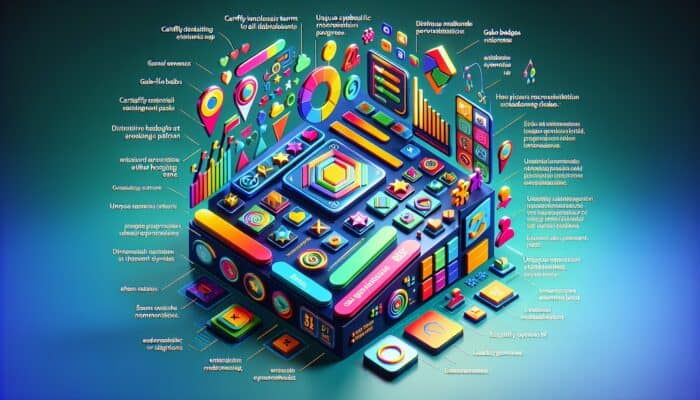
Skip to content